
Nikolai Vavilov: botanist, plant geneticist and seed-collection pioneer
Russian botanist and geneticist who mapped centers of origin for cultivated plants, built a vast seed collection, led global plant expeditions, and died in custody after clashing with Lysenkoism.
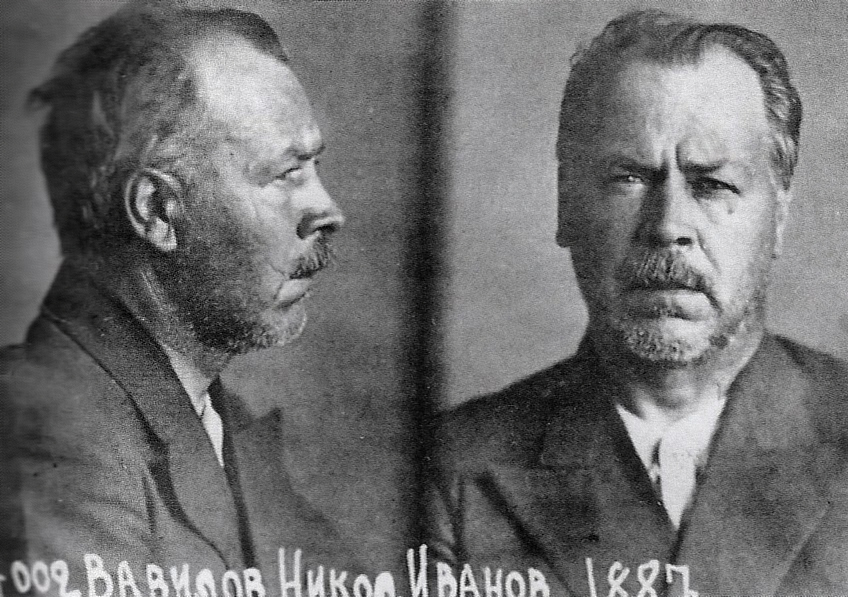
Nikolai Ivanovich Vavilov (1887–1943) was a Russian botanist and geneticist whose research reshaped how scientists understand the origins and diversity of cultivated plants. He proposed systematic ideas about where major crops arose and organized extensive field expeditions to collect seeds and plant material for study and breeding. Vavilov combined taxonomy, geography and genetics to support plant improvement and food security during a period of rapid agricultural change.
Image gallery
9 Images




Scientific contributions
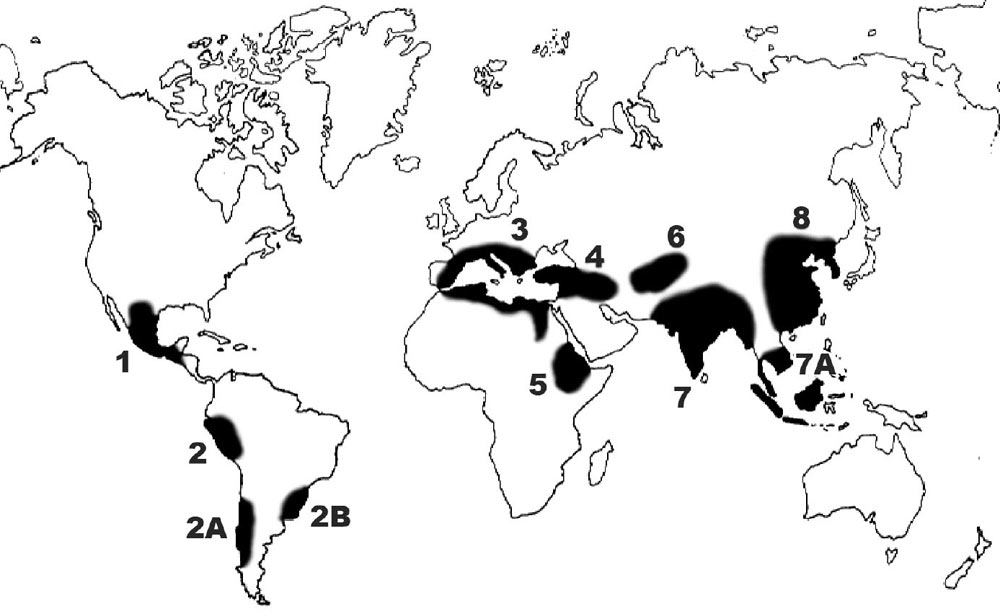
Vavilov is best known for identifying regions rich in the diversity of cultivated crops and their wild relatives, often summarized as the concept of centers of origin. He argued that crop plants have geographic heartlands where genetic variation tends to concentrate, and that preserving that variation is critical for breeding and resilience. He formulated a general pattern for related species, sometimes called the law of homologous series, which helped breeders predict useful traits across related crops.
Field work and the seed collection
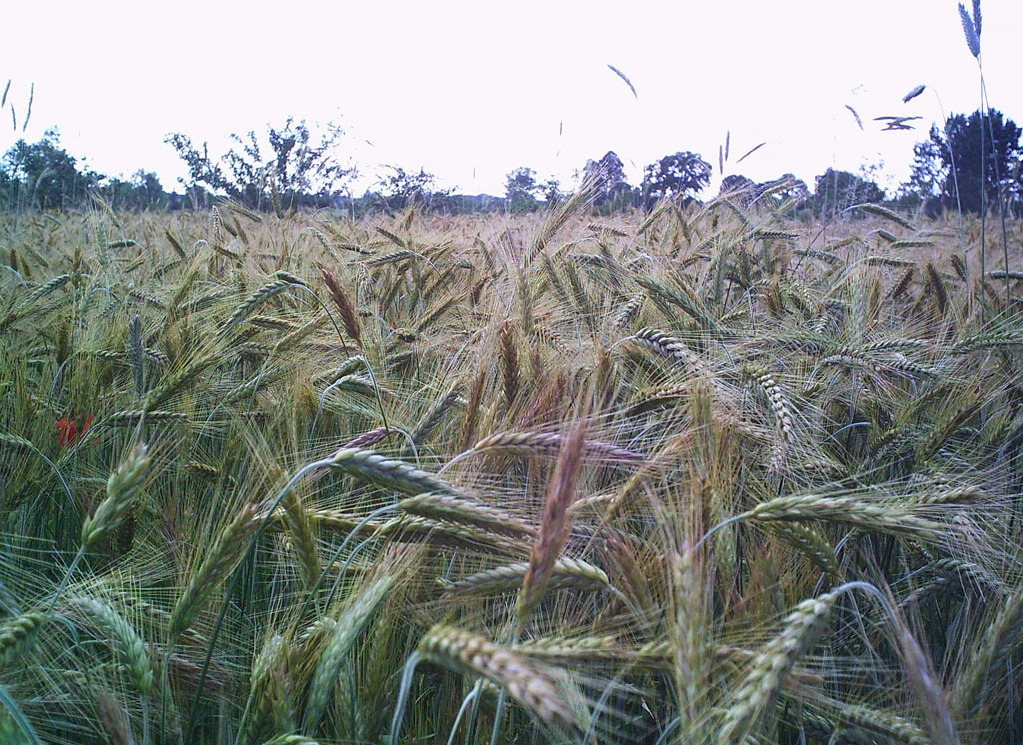
Throughout the 1910s–1930s Vavilov organized and led dozens of plant expeditions across Europe, Asia, Africa and the Americas. Those efforts produced one of the world’s largest agronomic collections: hundreds of thousands of seed samples and herbarium specimens acquired to support research and plant breeding. The assembled repository — often referred to as the VIR seed bank — became a central resource for study of crop variation and a living insurance policy for genetic diversity. Vavilov emphasized practical outcomes, promoting improved strains of wheat and other cereals to raise yields and resist disease.
Conflict, arrest and death
Vavilov worked in the politically charged environment of Soviet science. He opposed the ideas and methods advanced by Trofim Lysenko, which rejected Mendelian genetics and promised rapid agricultural gains through unorthodox treatments. Vavilov’s critiques of Lysenko and his allies left him vulnerable after Lysenko gained powerful supporters. Vavilov was arrested in 1940 and later died in custody in 1943, reportedly of malnutrition while imprisoned. His fate has become closely associated with the suppression of genetic science in that era.
Uses, institutions and legacy
Vavilov’s influence persists in plant breeding, conservation and agricultural science. The institute he led — now commonly called the Vavilov Institute — maintains a major collection and continues work on genetic resources. His insistence on collecting, documenting and conserving crop diversity laid foundations for modern seed banks and gene conservation programs (seed collection practices) that underpin global efforts to adapt agriculture to pests, disease and climate change.
Notable facts and distinctions
- He combined botanical fieldwork with genetics to inform plant breeding and conservation.
- His expeditions brought back a vast array of landraces and wild relatives used by later breeders.
- His scientific disputes with Lysenko exemplify how political forces can shape scientific institutions and careers; this is discussed widely as part of his legacy and controversies.
- Vavilov’s ideas are referenced by contemporary conservationists and crop scientists working on agricultural biodiversity and food security (crop evolution).
Vavilov’s work remains an example of combining field exploration, careful collection and comparative genetics to preserve and understand plant diversity. Modern genebanks and breeding programs still rely on principles he championed, and his life story is often invoked in discussions about scientific freedom, institutional memory and the importance of preserving biological heritage for future generations.
Questions and answers
Q: Who was Nikolai Ivanovich Vavilov?
A: Nikolai Ivanovich Vavilov was a Russian botanist and geneticist known for his research in agriculture and his contribution to the study and improvement of cereal crops.
Q: What was Vavilov's contribution to agriculture?
A: Vavilov studied and improved wheat, corn, and other cereal crops, and showed how and where crop plants evolved.
Q: How many plant seeds had Vavilov accumulated by 1940?
A: Vavilov had accumulated a collection of 200,000 plant seeds from the Soviet Union and from abroad by 1940.
Q: Who did Vavilov criticize repeatedly?
A: Vavilov repeatedly criticized Trofim Lysenko, a powerful but poor scientist.
Q: Why was Vavilov arrested?
A: Vavilov was arrested for his criticism of Trofim Lysenko.
Q: How did Vavilov die?
A: Vavilov died of starvation in a prison in 1943.
Q: What is Vavilov's legacy?
A: Vavilov is widely admired for his contributions to agriculture and research in plant genetics. The Vavilov Institute of Plant Industry in St. Petersburg maintains one of the world's largest collections of plant genetic material, and is named after him.
Related articles
Author
AlegsaOnline.com Nikolai Vavilov: botanist, plant geneticist and seed-collection pioneer Leandro Alegsa
URL: https://en.alegsaonline.com/art/70204