
Niklaus Otto (Nikolaus August Otto): inventor of the modern internal‑combustion engine
German engineer Nikolaus (Niklaus) Otto developed the practical four‑stroke internal‑combustion engine and the Otto cycle; his work in the 19th century established foundations for modern engines.
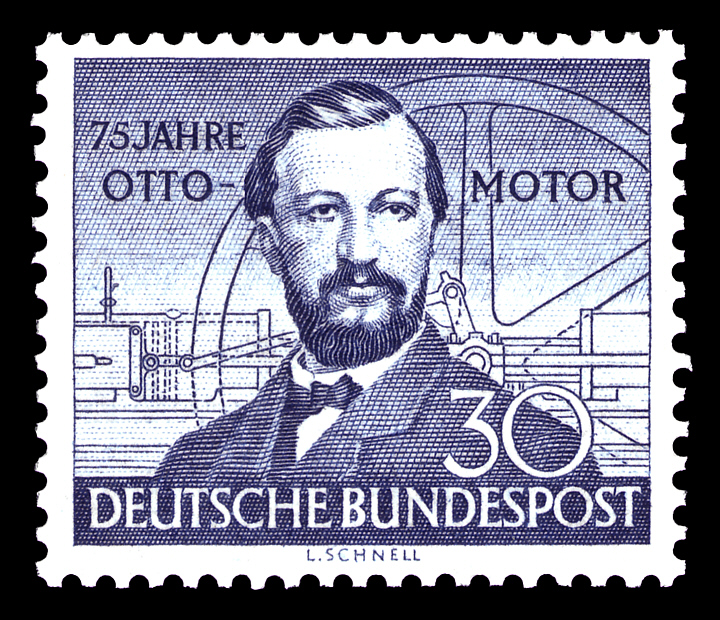
Niklaus Otto, often shown in sources as Nikolaus August Otto, was a German engineer whose work in the mid‑ to late‑19th century produced the first practical compressed‑charge internal‑combustion engine. His experiments and patents created the basic pattern of the modern four‑stroke engine, whose thermodynamic description is commonly called the Otto cycle. For an overview of his life and achievements see biography summaries and historical sketches on 19th‑century engineering.
Image gallery
5 Images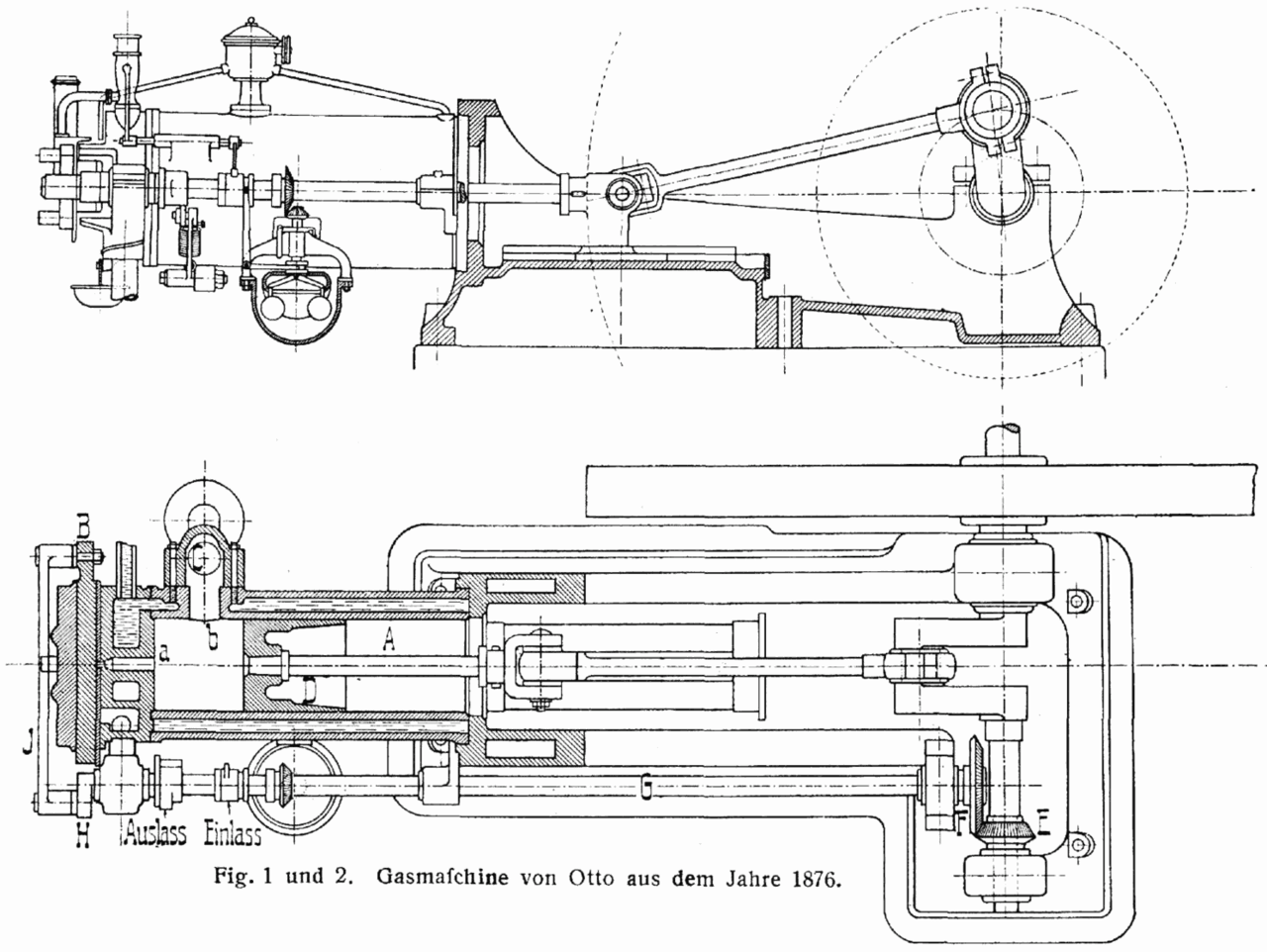


Early life and career
Otto was born in 1832 and trained as a tradesman and self‑taught engineer at a time when steam power dominated industry. After several failed business ventures he turned to gas engines with partner Eugen Langen. Their collaboration led to the foundation of a firm to design and manufacture combustion engines; contemporary accounts and company records are preserved in many industrial histories and compilations.
Development of the internal‑combustion engine
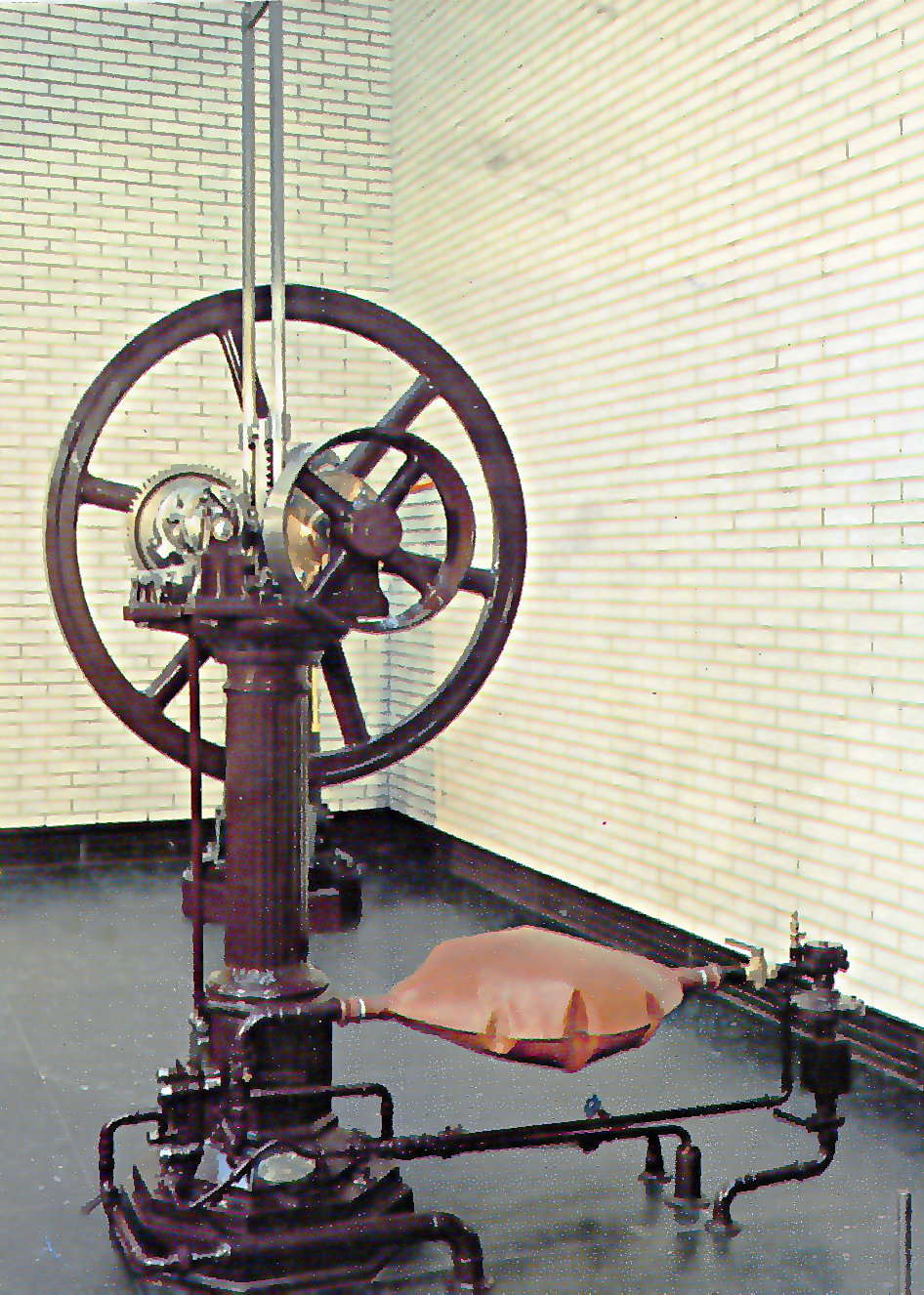
Before Otto, most engines were external‑combustion devices that burned fuel to create steam in a separate boiler. Otto's insight was to ignite a fuel‑air mixture directly within a cylinder and to use compression before ignition. In 1876 he demonstrated a practical four‑stroke engine that used intake, compression, power and exhaust strokes in sequence — a design that combined mechanical simplicity with higher thermal efficiency than contemporary open‑flame or atmospheric engines. Many technical histories cite his 1876 machine and related patents as turning points; see patent summaries and analyses.
Design features and technical significance
- Four‑stroke operation: intake, compression, combustion (power), exhaust — the basis for the Otto cycle.
- Compressed charge: using compression before ignition improved power and fuel economy compared with non‑compressed designs.
- Practical manufacture: creating a reliable, reproducible engine enabled broader industrial use and further development.
Technical overviews and classroom descriptions of the cycle are available in standard engineering references and textbooks.
Applications and historical impact
Otto's engine was adapted for stationary power, small industrial uses and — later — transportation. The basic four‑stroke concept influenced early automobile engineers and set a template that persisted through the 20th century. Discussions of early vehicle experiments and engine evolution reference Otto's work repeatedly in transport histories and in engineering retrospectives on internal combustion.
Legacy and notable distinctions
Because of his contributions, the thermodynamic cycle for spark‑ignited piston engines bears his name: the Otto cycle. His company and its successors helped found an industry that reshaped mobility and manufacturing. For museums, archival material and curated exhibits relating to Otto's engines, consult industrial heritage resources and collections; for modern assessments of his influence see broader surveys in engineering history.
Related articles
Author
AlegsaOnline.com Niklaus Otto (Nikolaus August Otto): inventor of the modern internal‑combustion engine Leandro Alegsa
URL: https://en.alegsaonline.com/art/70191