
Niederschlesischer Oberlausitzkreis — former district in Saxony
Former easternmost rural district of the Free State of Saxony in Germany, covering parts of Upper Lusatia and the Lower Silesian borderlands; dissolved in the 2008 administrative reform.
Overview
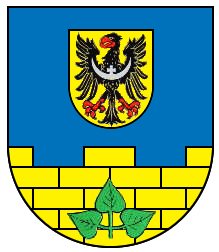
The Niederschlesischer Oberlausitzkreis (literally "Lower Silesian Upper Lusatia District") was a rural district in the Free State of Saxony in Germany. Located at the country's eastern edge, it represented the meeting of historical Silesian and Lusatian regions — a frontier area sometimes described as Lower Silesian in cultural reference (Lower Silesian). The district ceased to exist as an administrative unit in 2008 when Saxony reorganized its local government boundaries.
Image gallery
2 Images
Geography and administration
Stretching to the German–Polish border, the district occupied a mix of small towns, countryside and industrial sites typical of eastern Saxony. Its eastern boundary confronted Poland, and the historically important town of Görlitz lay at that frontier. Görlitz had been an independent urban district for many years; during the 2008 reform it was re-integrated with surrounding rural territories and placed administratively with neighbouring units such as Löbau-Zittau and parts of the Niederschlesischer Oberlausitzkreis.
- Landscape: Upper Lusatian plains, river valleys and patches of low hills.
- Settlement pattern: a mix of small and medium-sized towns, villages and industrial sites.
- Border position: close cross-border links to Polish communities and markets.
History and administrative change
The district’s territory reflects centuries of shifting borders in Central Europe, where Lusatian and Silesian cultural influences overlap. As a modern administrative entity it was shaped by the state-level reforms of the 1990s and was later affected by the 2008 Saxon district reform that reduced and consolidated Kreise. In July 2008 the formerly independent status of the city of Görlitz ended when it was merged into the surrounding rural districts, including parts that had been organized under Niederschlesischer Oberlausitzkreis and adjacent Löbau-Zittau.
Economy, culture and significance
Economically the area combined small industry, light manufacturing and services with agricultural and forestry activity. The border location brought trade and cross-border cooperation, while the cultural landscape retains Lusatian traditions, Silesian influences and historic town centres. The district served as an administrative and planning unit for regional infrastructure, environmental protection and cultural heritage until its dissolution.
Legacy
Although the Niederschlesischer Oberlausitzkreis no longer exists as an administrative entity, its geography and communities remain important for regional identity and cross-border relations. Information about historic boundaries, local institutions and municipal changes can be found through regional archives and current administrative websites that document the transition from the former district structure to the post-2008 organization of Saxony.
Related articles
Author
AlegsaOnline.com Niederschlesischer Oberlausitzkreis — former district in Saxony Leandro Alegsa
URL: https://en.alegsaonline.com/art/70067