
Nièvre (French department)
Nièvre is a rural department in central France, in Bourgogne-Franche-Comté. Named for the Nièvre river, it has Nevers as its prefecture and combines forests, Loire valley landscapes, historic towns and artisanal traditions.
Overview
Nièvre is a department in central France, located within the administrative Bourgogne-Franche-Comté region. It takes its name from the Nièvre river, which flows into the Loire as a local tributary. The department is known for its largely rural character, patches of woodland, and stretches of the Loire valley.
Image gallery
9 Images
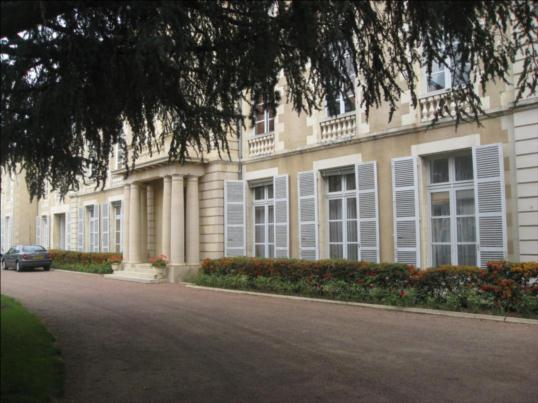


Geography and environment
Landscape in Nièvre varies from river plains along the Loire to the rolling hills and forests of the Morvan massif to the east. Small rivers and tributaries cross mixed farmland and pastures. The area supports forestry, grazing, and pockets of cultivation. Its environment includes regional nature reserves and routes that attract hikers, anglers and cyclists.
History and identity
Established during the French Revolution from the former province of Nivernais, Nièvre has retained a distinct provincial identity. Towns such as Nevers grew as medieval and later administrative centres. Over centuries the department developed artisanal reputations—most famously Nevers faience and enamelware—and preserved Romanesque and Gothic architecture.
Administration and main towns
The departmental capital and prefecture is Nevers, which remains the largest urban centre. Administratively the territory is divided into a small number of arrondissements and many communes; local life is centered on market towns and villages.
Economy, culture and uses
Nièvre's economy combines agriculture, forestry and small-scale industry. Tourism plays a growing part, supported by cultural heritage, river landscapes and outdoor activities. Local crafts, traditional ceramic production and seasonal markets contribute to the department's cultural profile.
Sights and notable facts
- Historic core of Nevers, with medieval streets, cathedral and ducal palace.
- Trails and natural areas in the Morvan and along the Loire for recreation.
- A long rural tradition of artisanal pottery and regional cuisine.
Though less densely populated than many other French departments, Nièvre offers a combination of historic towns, agricultural landscapes and river scenery that typifies the quieter side of central France.
Questions and answers
Q: Where is Nièvre located?
A: Nièvre is located in the centre of France in the Bourgogne-Franche-Comté region.
Q: What is Nièvre named after?
A: Nièvre is named after the Nièvre river, which is a tributary of the Loire.
Q: What is the largest city in Nièvre?
A: The largest city and the prefecture of Nièvre is Nevers.
Q: Which region is Nièvre a part of?
A: Nièvre is a part of the Bourgogne-Franche-Comté region.
Q: Is the Nièvre river important in the department?
A: Yes, the Nièvre river is important in the department as it is the river after which the department is named.
Q: Is Nièvre a big department in France?
A: The size of the department is not mentioned in the text, so we cannot say if Nièvre is a big department or not.
Q: What kind of region is Bourgogne-Franche-Comté?
A: Bourgogne-Franche-Comté is a region in France. No further description about the type of region is mentioned in the text.
Related articles
Author
AlegsaOnline.com Nièvre (French department) Leandro Alegsa
URL: https://en.alegsaonline.com/art/70092
Sources
- nievre.fr : "Le Président du Conseil Départemental"
- insee.fr : "Département de la Nièvre (58)"
- insee.fr : "Populations légales 2014: Recensement de la population - Régions, départements, arrondissements, cantons et communes"
- splaf.free.fr : "Description de la Nièvre"
- splaf.free.fr : "Historique de la Nièvre"
- peakbagger.com : "Mont Préneley, France"
- cg58.fr : "Situation géographique de la Nièvre"
- weatherbase.com : "Nevers, France - Köppen Climate Classification"
- cg58.fr : "Chiffres-Clés"
- insee.fr : "Département de la Nièvre (58)"
- insee.fr : "Régions, départements, arrondissements, cantons et communes"
- insee.fr : "Département de la Nièvre (58)"
- legifrance.gouv.fr : "Décret n° 2014-184 du 18 février 2014 portant délimitation des cantons dans le département de la Nièvre"
- habitants.fr : "Nièvre (58)"