
Newark Liberty International Airport
Major airport serving the New York metropolitan area, located in New Jersey between Newark and Elizabeth; hub for passengers and cargo and renamed after 9/11.
Overview
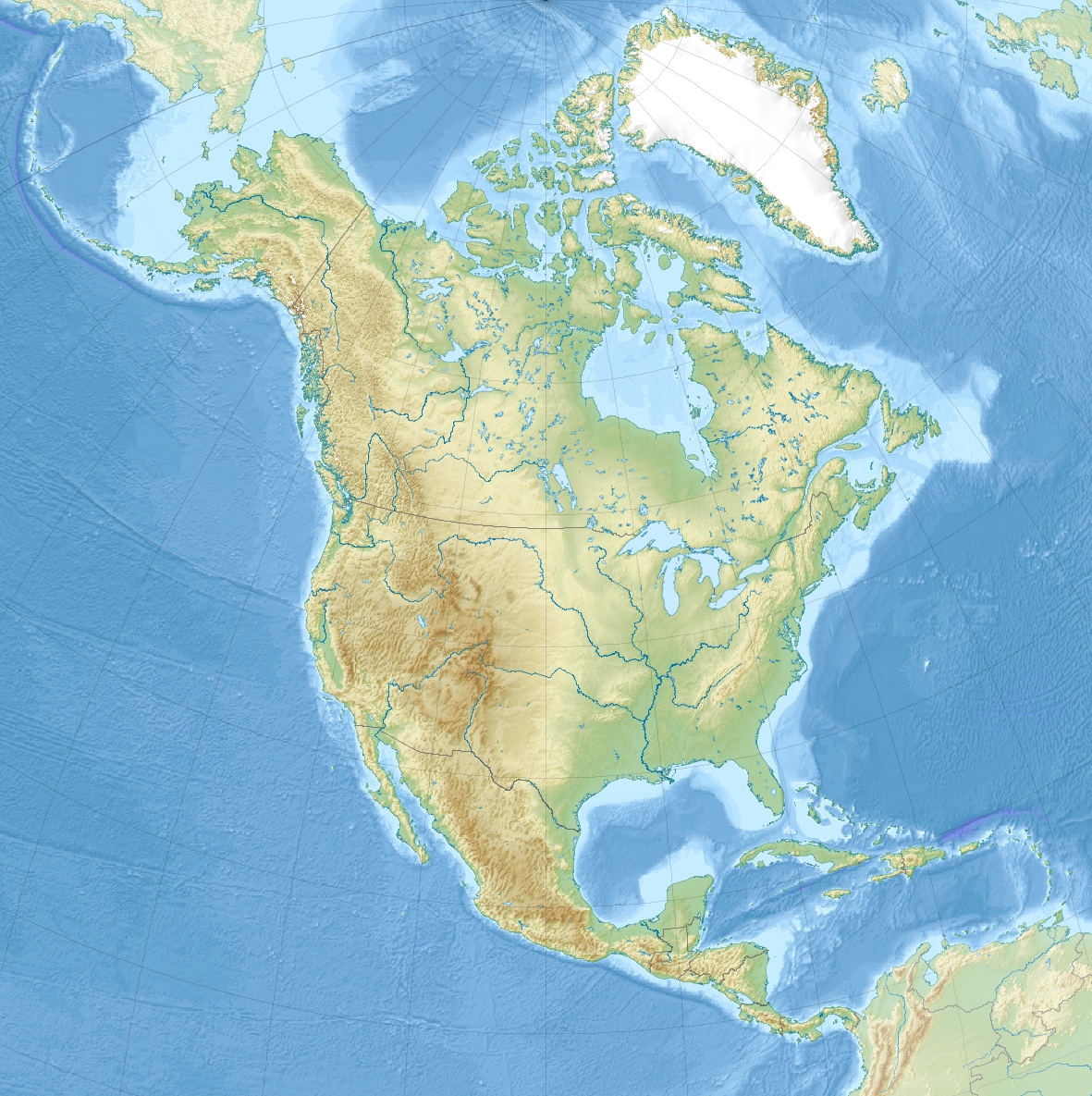
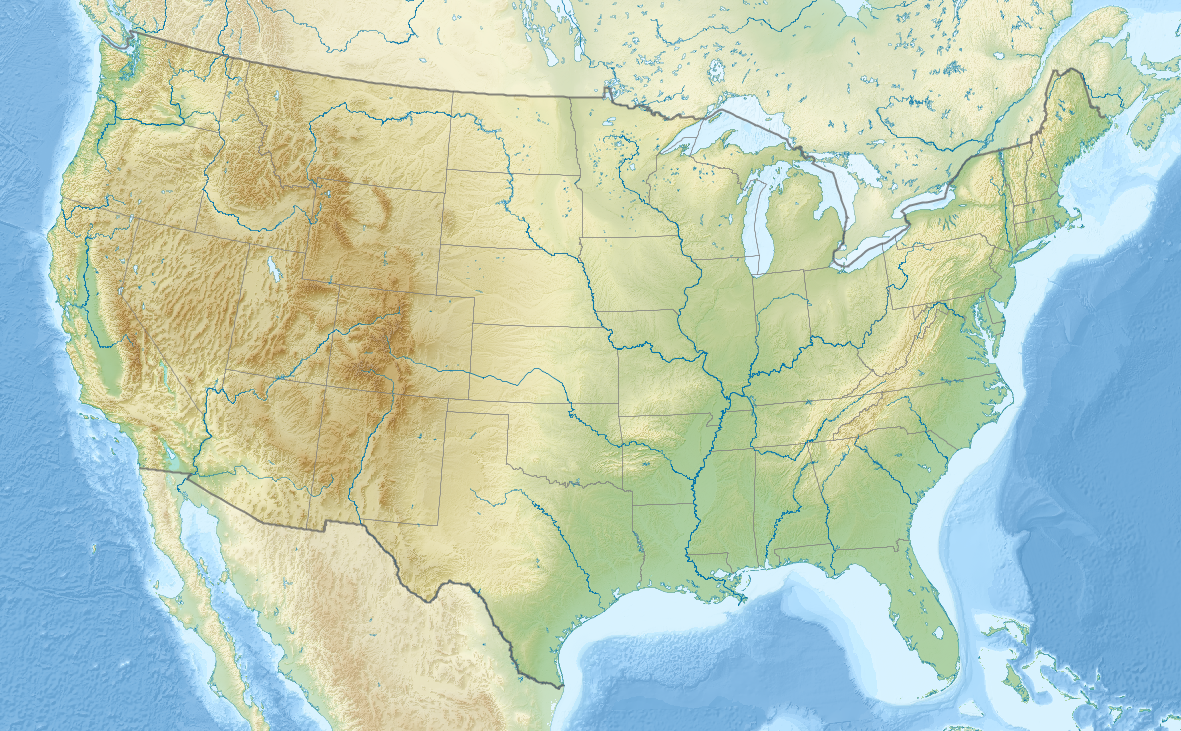
Newark Liberty International Airport is a principal air transportation facility serving the New York metropolitan region. Identified by the standard aviation codes EWR (IATA) and KEWR (ICAO/FAA), the airport sits in the U.S. state of New Jersey on land between the cities of Newark and Elizabeth. It is roughly fifteen miles southwest of Midtown Manhattan and functions as one of the three major airports that serve the New York City area.
Image gallery
10 Images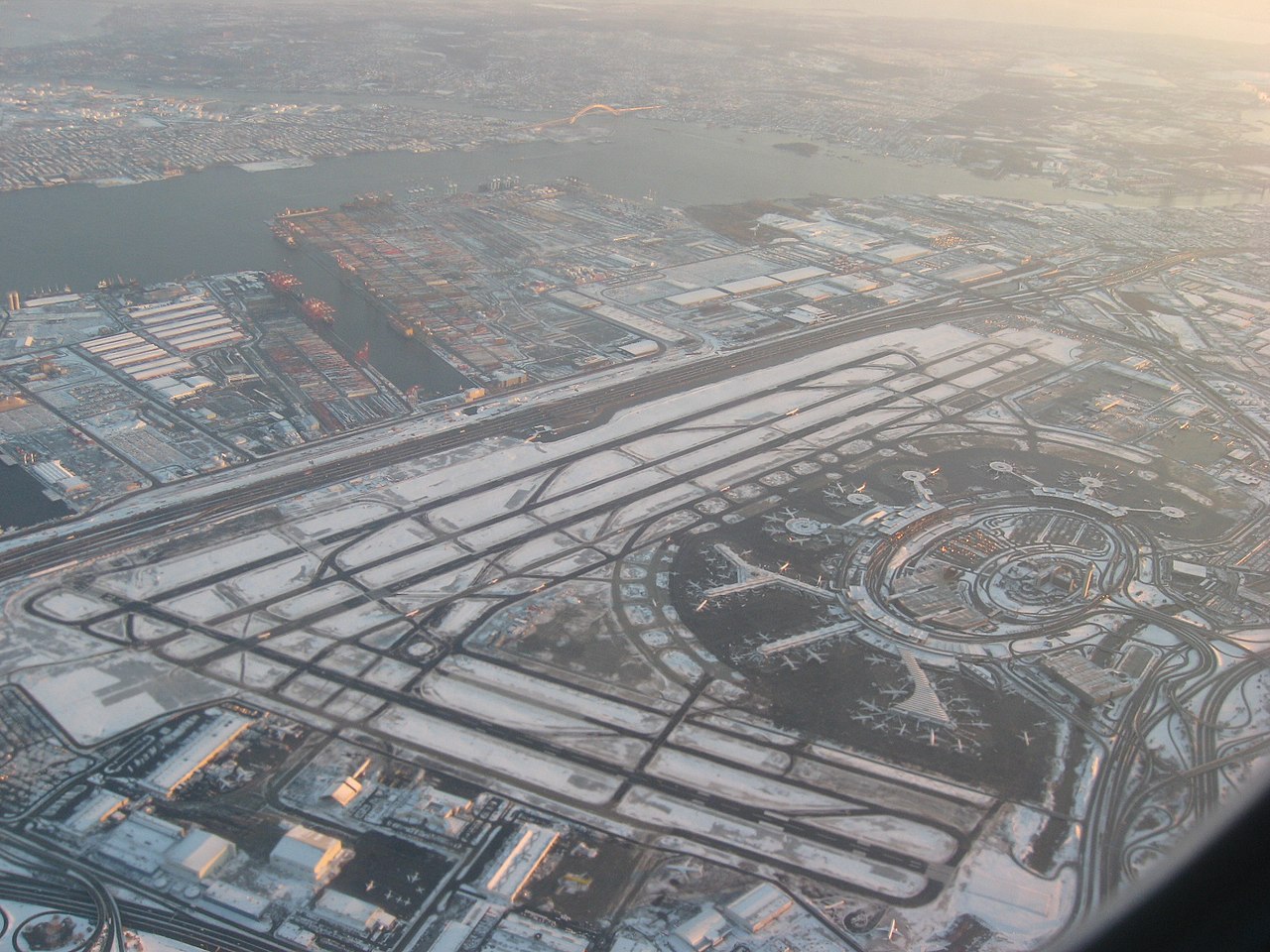


Facilities and characteristics
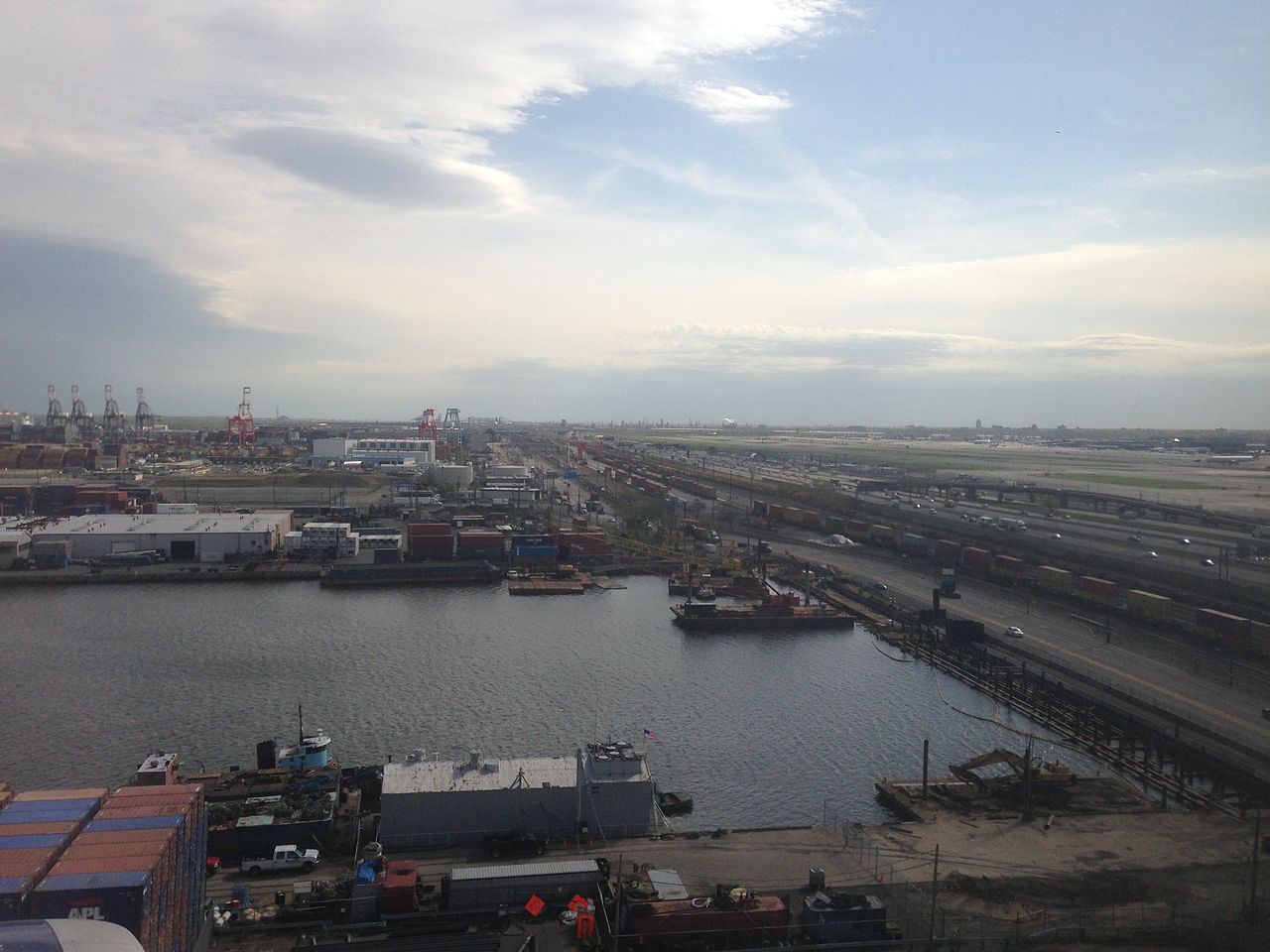
Newark Liberty includes multiple passenger terminals, extensive apron and taxiway space, and several runways that accommodate domestic and international services. An automated people mover known as AirTrain links the terminals with ground transportation hubs, including a rail station that provides connections to regional rail networks. The airport handles a mix of airline operations: scheduled passenger flights, international arrivals, and significant air-cargo activity. It is operated by the Port Authority of New York and New Jersey on land long associated with the City of Newark.
History and name
The airport opened in the late 1920s and was originally called Newark Metropolitan Airport, later Newark International Airport; it was among the earliest large airports established in the United States. Following the terrorist attacks of September 11, 2001 — notably the departure from Newark of United Airlines Flight 93, bound for San Francisco International Airport and later crashing near Shanksville, Pennsylvania after passengers attempted to regain control from hijackers — the airport was renamed Newark Liberty International Airport in 2002 as a memorial and recognition of that day.
Role in the regional airport system
Newark Liberty is part of the tri‑airport system that also includes John F. Kennedy International Airport and LaGuardia Airport. Together these airports form one of the largest and busiest metropolitan aviation systems in the United States; they compete and cooperate to serve tens of millions of passengers annually and to accommodate high volumes of aircraft operations. The three-airport network is often cited when discussing national and international airline route planning and airport capacity management (system role, regional rankings).
Airlines, access and operations
Newark is a major hub for at least one large U.S. carrier and a regular destination for domestic and international airlines. Ground access options include highway links, express and commuter rail, airport shuttles, and taxi services; the AirTrain and the adjacent rail station provide direct transfers to intercity rail corridors. Cargo facilities and maintenance operations support freight and technical services that are integral to the airport’s commercial role.
Notable facts and distinctions
- The airport’s code EWR is used in travel itineraries and baggage routing worldwide.
- It occupies land administered in cooperation with municipal and bi‑state authorities and is a significant local employer.
- Its renaming to include “Liberty” reflects a memorial association with the events of September 11; the tragedy and subsequent changes in security transformed airport operations nationwide.
- Newark Liberty is frequently discussed alongside JFK and LaGuardia in planning for capacity, surface access, and environmental impacts (traffic volume, system planning, passenger flows).
- Historical events connected to the airport include the departure of Flight 93 and its subsequent crash near Shanksville, a moment that influenced the airport’s later identity and public memory (hijackings, potential targets in Washington such as the United States Capitol or the White House are part of the investigative record).
For travelers and planners alike, Newark Liberty International remains a key transportation gateway: geographically convenient to New York City, integrated into regional rail and road networks, and central to airline route structures that serve the northeastern United States and international destinations.
Questions and answers
Q: What is the IATA code for Newark Liberty International Airport?
A: The IATA code for Newark Liberty International Airport is EWR.
Q: What is the ICAO code for Newark Liberty International Airport?
A: The ICAO code for Newark Liberty International Airport is KEWR.
Q: What is the FAA LID for Newark Liberty International Airport?
A: The FAA LID for Newark Liberty International Airport is EWR.
Q: How far away from Midtown Manhattan in New York City is Newark Liberty International Airport?
A: Newark Liberty International Airport is around 15 miles (24 km) southwest of Midtown Manhattan in New York City.
Q: Who owns and runs the airport?
A: The airport is owned by the city of Newark and run by the Port Authority of New York and New Jersey.
Q: How many passengers did it have in 2012?
A: In 2012, the airport had just under 34 million passengers.
Related articles
Author
AlegsaOnline.com Newark Liberty International Airport Leandro Alegsa
URL: https://en.alegsaonline.com/art/69710
Sources
- panynj.gov : "The Port Authority of NY & NJ : December 206 Traffic Report"
- nps.gov : "Newark Metropolitan Airport"
- topics.nytimes.com : "Newark Liberty International Airport (NJ)"
- panynj.gov : "Press Release Article - Port Authority of NY & NJ"
- panynj.gov : panynj.gov