
John F. Kennedy International Airport
Major international airport in Queens, New York, serving as a primary passenger and cargo gateway; operated by the Port Authority and named for President John F. Kennedy.
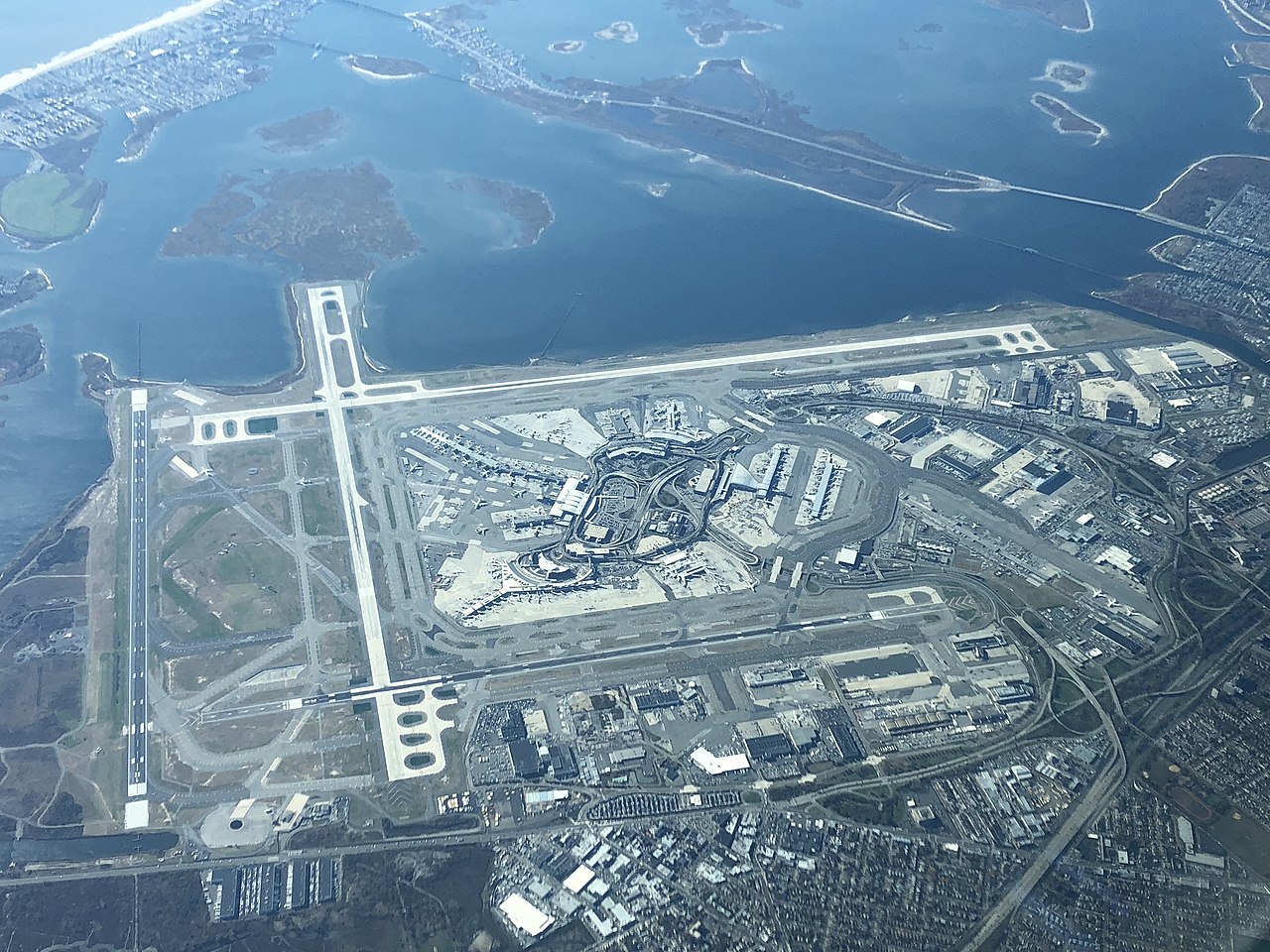
John F. Kennedy International Airport is a principal international gateway serving New York City and the surrounding region. It handles a large mix of long‑haul international flights, domestic services and cargo operations. Managed by the Port Authority of New York and New Jersey, the airport functions as a hub for several carriers and connects the metropolitan area to destinations around the world. It is commonly referred to by its IATA code and other official identifiers.
Image gallery
10 Images







Location, codes and quick facts
- IATA code: JFK
- FAA identifier: JFK
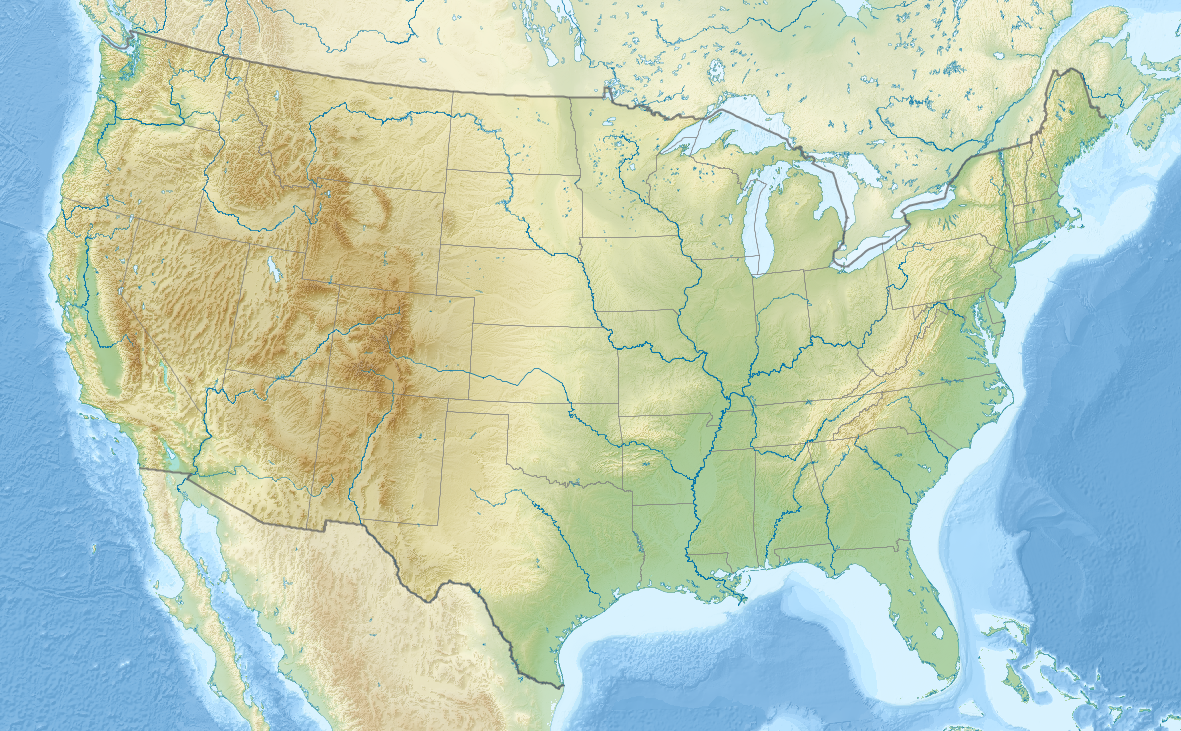
- Situated on Long Island in the borough of Queens
- Serving New York City, about 12 miles from Lower Manhattan
- Important international gateway to the United States
- Major hub for air freight and cargo operations
- Operated alongside other regional airports such as Newark Liberty and LaGuardia
- Principal carriers and hubs include JetBlue, an international hub for other airlines, and major roles for Delta Air Lines and American Airlines
Facilities at the airport include multiple terminals that serve international and domestic routes, a large air cargo complex, and several runways to accommodate long‑range aircraft. Some terminals have been modernized and consolidated to improve passenger flow and security processing. Ground connections include dedicated rail links and shuttle services that connect the airport with city transit systems and regional rail, providing transfers to Manhattan and other boroughs.
Historically, the field was developed in the mid‑20th century to relieve congestion at earlier New York area airports. It opened under a different name and grew rapidly as international jet travel expanded; after the assassination of President John F. Kennedy in 1963 it was renamed in his honor. Over ensuing decades the site has been repeatedly upgraded to handle larger aircraft, increased passenger volumes and evolving security and customs requirements.
As a hub and base of operations, the airport supports a diverse roster of airlines and routes. One carrier uses a dedicated terminal as its primary base, while other legacy and international carriers maintain large operations and connecting services. The airport's customs and border processing facilities are designed to handle a high proportion of international arrivals, and special cargo terminals support time‑sensitive freight and logistical networks.
Beyond passenger service, the airport plays a major role in regional commerce through air cargo and freight forwarding. Its position within the New York metropolitan transportation system makes it a critical node for tourism, business travel, and international trade. Ongoing infrastructure projects and modernization efforts aim to improve passenger amenities, increase capacity and reduce delays while balancing community and environmental considerations.
Notable distinctions include its long history as a primary international gateway to the United States, its management by a bi‑state authority that also operates the region's other major airports, and its continuing evolution as airlines, technology and travel patterns change. For those seeking schedules, terminal maps, ground transport options and official notices, the airport's public resources and airline partners provide current operational information.
Author
AlegsaOnline.com John F. Kennedy International Airport Leandro Alegsa
URL: https://en.alegsaonline.com/art/140519