
New York and New Jersey Campaign (1776–1777)
A series of military operations in 1776–77 in which British forces captured New York City and occupied New Jersey, while Washington's army staged a retreat and later counterattacks at Trenton and Princeton.
Overview
The New York and New Jersey Campaign was a sequence of military operations in the autumn and winter of 1776–1777 fought between British forces and the Continental Army. It combined naval movements, amphibious landings and land battles as the British sought to seize and hold the vital port of New York City and dominate the neighboring colony and state of New Jersey. The campaign included many engagements and maneuvers rather than a single decisive battle; historians often describe it as a series of interconnected actions that shaped the early course of the American Revolutionary War.
Image gallery
10 Images




Strategic background and aims
British commanders planned to isolate New England from the other colonies by controlling the Hudson River corridor and the principal Atlantic port. After landing large forces on Long Island and winning the Battle of Long Island, British units pressed the retreating American army across the island and into Manhattan. The goal was to destroy or capture Washington's army and force a quick end to the rebellion by occupying key urban centers.
Principal operations and engagements
- Early battles: Fighting on Long Island, Harlem Heights and White Plains pushed American forces back through New York.
- Fortifications and surrenders: Fort Washington fell late in 1776, while Fort Lee was abandoned during the withdrawal.
- Retreat across New Jersey: A strategic withdrawal separated the Continental Army from the protection of the Hudson River, creating a difficult winter position.
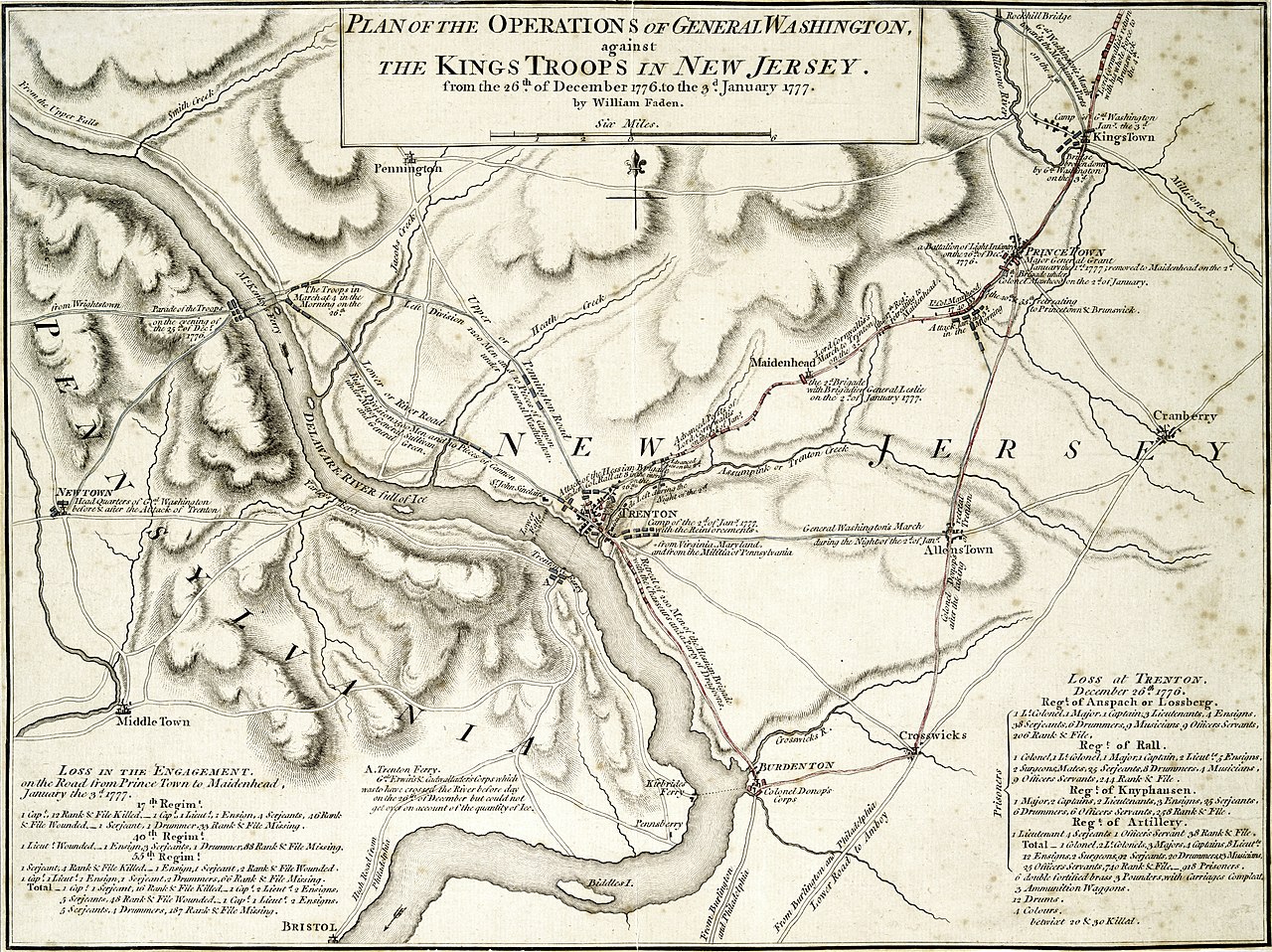
- Counterattacks: Washington's surprise operations at Trenton and Princeton in late December 1776 and early January 1777 restored American morale and helped preserve the Continental Army.
Course and notable moments
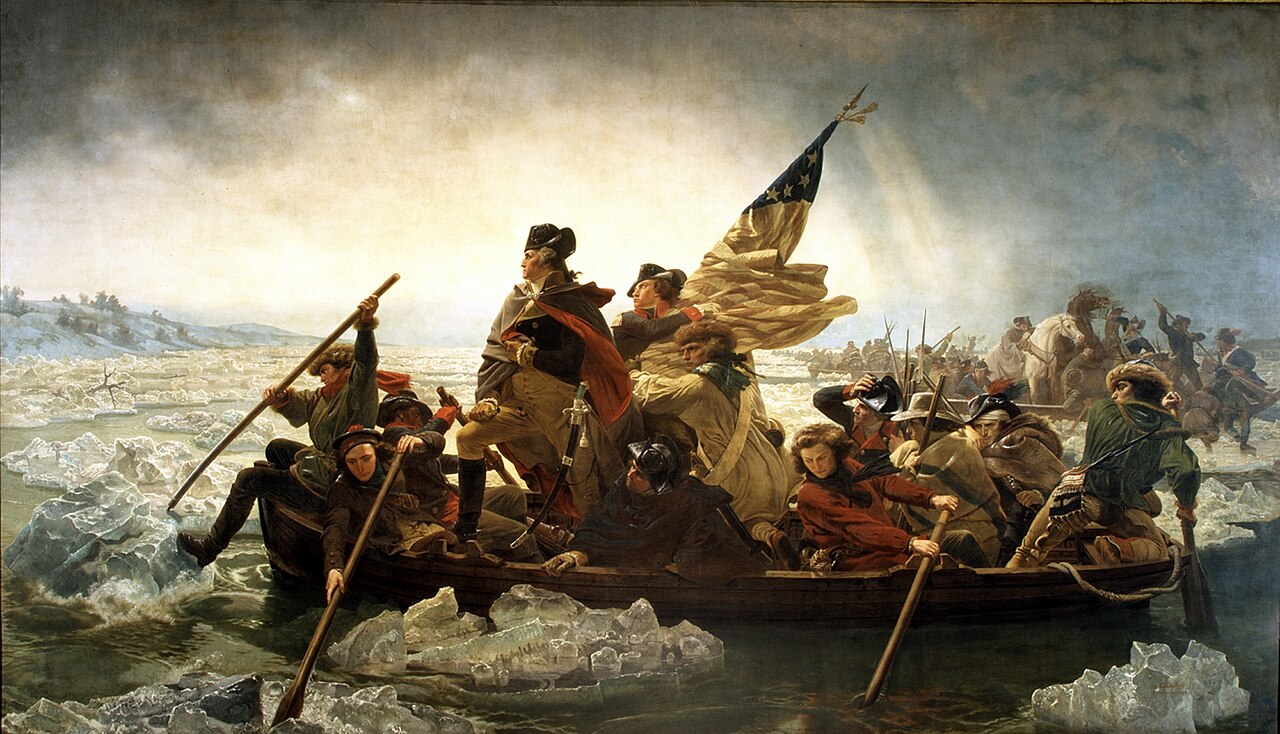
Following several defeats, Continental forces executed a difficult but disciplined retreat across New Jersey into Pennsylvania. The British, confident after their early successes, quartered troops in and around New York and parts of New Jersey. Washington responded with a daring crossing of the Delaware River on Christmas night and a surprise attack at Trenton, followed by an action at Princeton that forced British withdrawals. The American army then spent the winter at Morristown, regrouping for the next campaigning season.
Outcome and significance
Although the British secured control of New York City and much of the surrounding region for the remainder of the war, the campaign failed to destroy the Continental Army. The winter victories at Trenton and Princeton were small in scale but disproportionately important: they bolstered recruitment, reinvigorated civilian support, and demonstrated that Washington could still take the initiative. The campaign therefore marked both a British operational success in territory gained and an American strategic recovery that prolonged the conflict.
Distinctions and lasting facts
The New York and New Jersey operations are often cited as an early example of a campaign combining amphibious power with inland pursuit, and they reveal how terrain, logistics and command decisions can determine outcomes. While the British achieved most battlefield victories during this phase, their inability to convert tactical gains into the political collapse of the rebellion made the campaign a turning point in a longer war. Contemporary accounts and later histories discuss this period under many headings, and the episode remains central to studies of Washington's leadership and the evolving character of the Continental Army.
For further reading on the campaign, its battles and commanders, see specialized studies and collections of primary documents and maps that examine each engagement in detail. Researchers may consult compilations that focus on the campaign sequence, the winter operations, and the subsequent strategic implications for both sides.
Related topics and entries: battles, unit movements and logistics, leadership analyses, political consequences in 1776–77, and the occupation of the mid-Atlantic coast by British forces during the war. For supplemental materials, refer to campaign maps, first-person accounts and contemporary correspondence preserved in period collections.
Additional references and archival links: regional studies, campaign overview, operational summaries. These resources help explain how a string of engagements shaped the wider revolutionary struggle and how local actions had national consequences.
Related articles
Author
AlegsaOnline.com New York and New Jersey Campaign (1776–1777) Leandro Alegsa
URL: https://en.alegsaonline.com/art/69644