
North American F-86 Sabre: Cold War Jet Fighter
The F-86 Sabre was a pioneering American swept-wing jet fighter introduced in 1947. It became famous for its air combat role against the MiG-15 in the Korean War and influenced postwar fighter design.
The North American F-86 Sabre was a single-seat, single-engine jet fighter developed in the late 1940s by North American Aviation. First flown in 1947, it combined a turbojet powerplant with a swept-wing planform to improve high-speed performance. The Sabre quickly became the United States Air Force's principal transonic fighter and a symbol of early Cold War air combat.
Image gallery
10 Images




Design and characteristics
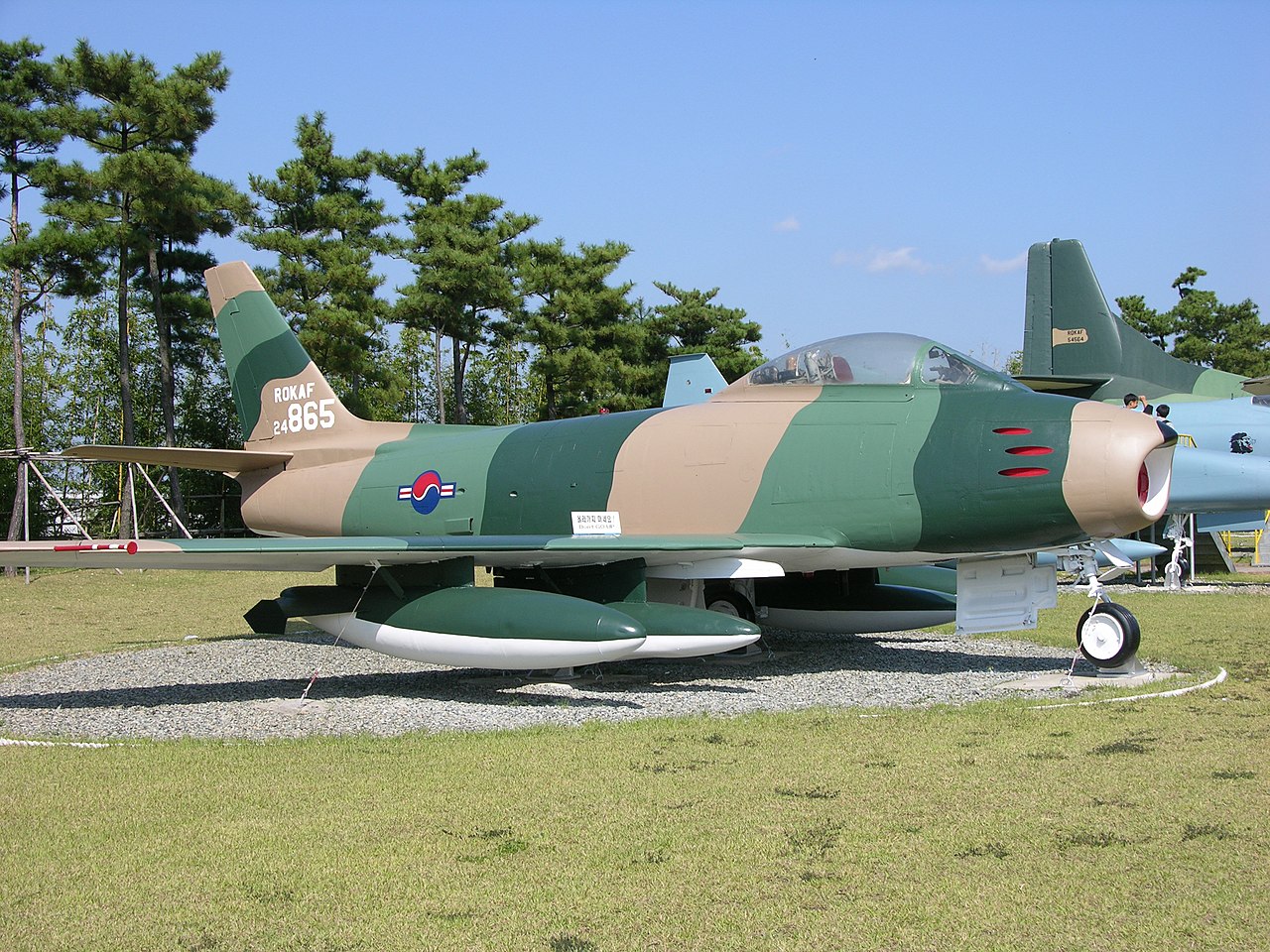
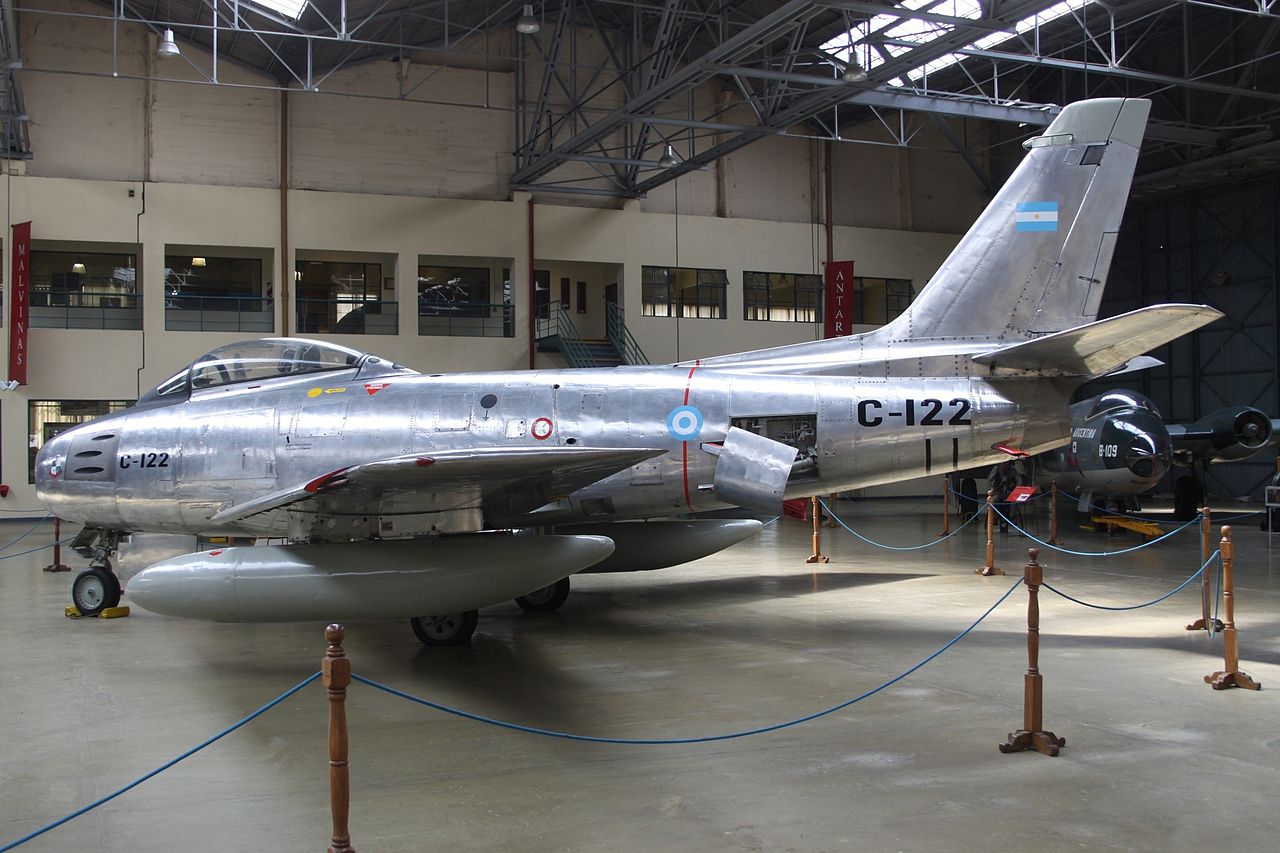
The Sabre's most notable design feature was its swept wings, which reduced aerodynamic drag near the speed of sound and allowed better handling at high subsonic speeds. It typically carried an armament of six .50-caliber machine guns, and later versions were modified for improved radar, fire-control systems, or rocket and bomb carriage for ground-attack roles. The aircraft emphasized pilot visibility, responsive controls, and a sturdy fuselage suited to frontline operations.
Operational history
The F-86 gained its greatest fame during the Korean War, where it faced the Soviet-designed MiG-15 in the skies over the Korean Peninsula. Pilots flying the Sabre engaged in large-scale jet-versus-jet combat that shaped air combat tactics for the jet age. Beyond Korea, the type served with a number of U.S. allied air forces worldwide and performed roles ranging from air superiority to ground attack and interception.
Variants and roles
- Early day fighter versions optimized for maneuverability and gunnery.
- Radar-equipped and all-weather interceptor variants produced for air defense missions.
- Export and license-built models supplied to allied nations and used for training, defense, and display.
The Sabre family evolved through several subtypes with progressively improved engines, avionics, and structural changes. These refinements extended its service life and adapted it to diverse mission profiles.
Legacy and notable facts
The F-86 is remembered as one of the first effective swept-wing jet fighters and a key influence on later designs. Its combat record and handling qualities made it popular with pilots, and surviving examples are exhibited in aviation museums and at air shows. The aircraft's engagements in the Korean War are often examined in studies of postwar aerial tactics and Cold War military history. For more on the conflict in which the Sabre gained renown, see Korean War.
Today the Sabre remains an emblematic example of the transition from piston-engine fighters to the jet age and a milestone in military aviation development.
Related articles
Author
AlegsaOnline.com North American F-86 Sabre: Cold War Jet Fighter Leandro Alegsa
URL: https://en.alegsaonline.com/art/70807