
Neuquén Province: geography, economy, and cultural overview
Neuquén is an Argentine province in northern Patagonia known for Andean landscapes, hydrocarbon wealth (Vaca Muerta), agriculture and tourism; its capital is the city of Neuquén.
Neuquén is a province in western Argentina with a diverse landscape that extends from high Andean peaks to dry Patagonian plateaus. Located at the northern end of the larger Patagonia region, the province takes its name from the Neuquén River. Neuquén combines natural attractions, expanding industry and farming in a region shaped by glaciers, volcanism and river systems. For a general reference see Neuquén Province and the national context in Argentina.
Image gallery
10 Images


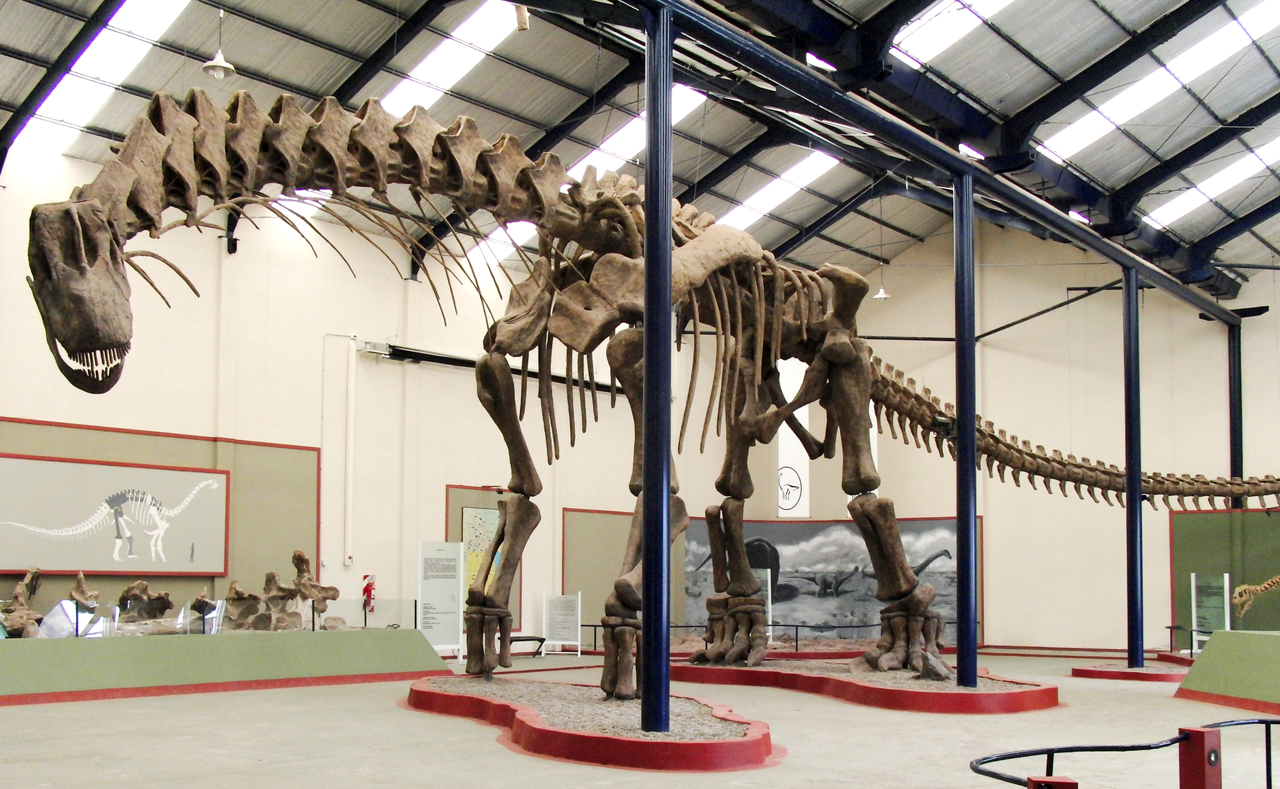


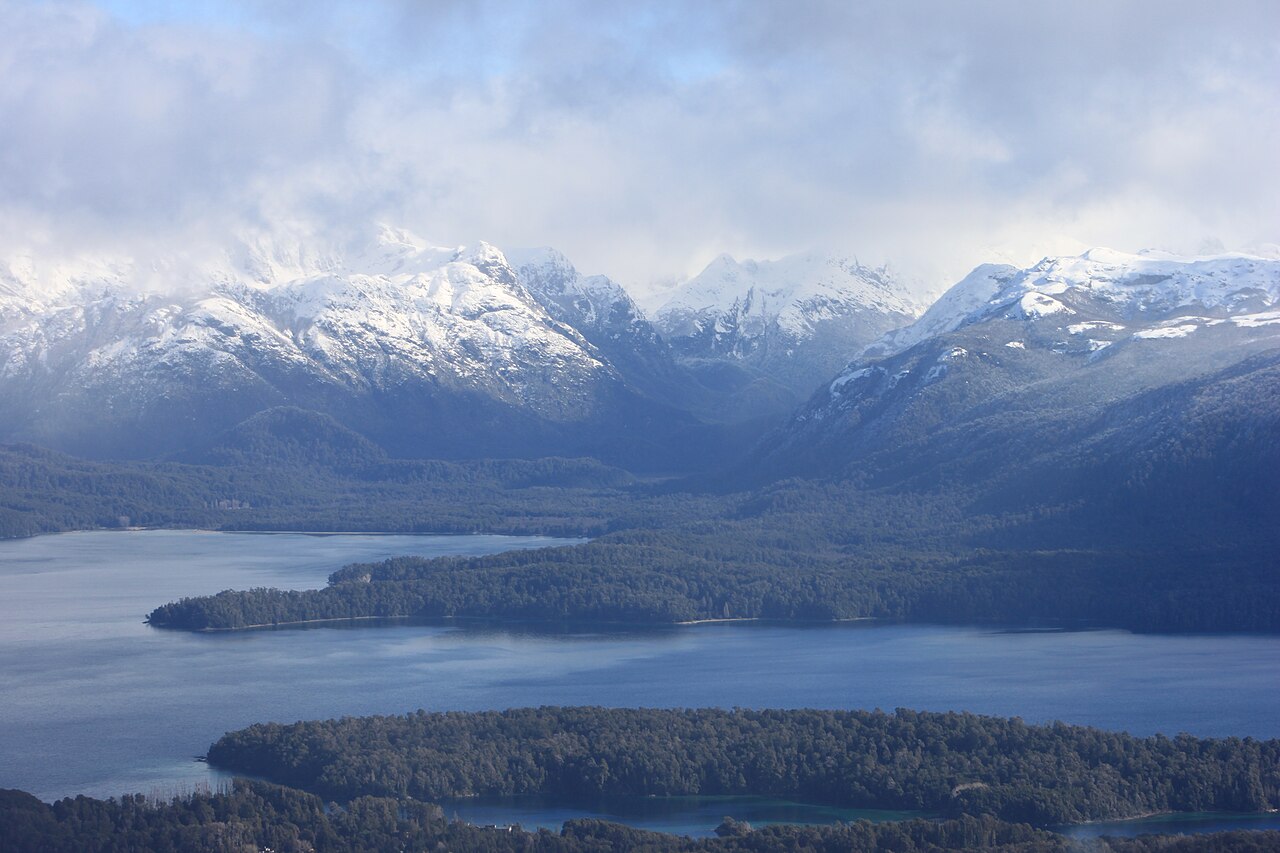


Geography and natural features
The western border follows the Andes and the international frontier with Chile, while the rest of the province opens eastward into the Patagonian steppe. The region is often described within northern Patagonia, where altitude and rainfall create distinct zones: forested slopes and lakes along the Andes, and semi-arid plains to the east. Major rivers, including the Neuquén and Limay, help form important valleys and irrigation basins.
Economy and resources
Neuquén is one of Argentina's wealthier provinces because of energy production and agriculture. Large unconventional hydrocarbon deposits have transformed the economy: the Vaca Muerta shale formation is a globally significant source of oil and gas. The province produces both natural gas and petroleum, attracting investment and infrastructure for extraction and transport. Farming in irrigated river valleys supplies fruits, vegetables and livestock, and local wineries have grown in the Alto Valle area.
History, population and settlement
Indigenous peoples lived in the region long before European settlement; patterns of settlement shifted during the 19th and 20th centuries with military campaigns, railroads and later energy development. The provincial capital, the city of Neuquén, serves as the administrative and transportation hub and links the Andean towns and oil-producing districts. Smaller towns nearer the mountains are gateways for outdoor recreation and national parks.
Tourism, culture and environment
Tourism highlights include Andean lakes, national parks and ski areas, which attract domestic and international visitors. Conservation and sustainable planning are ongoing concerns as development and tourism increase pressure on fragile ecosystems. Local culture blends indigenous heritage, frontier history and modern industry, reflected in museums, festivals and regional cuisine.
Key facts and regional links
- Borders and neighbors include Mendoza Province to the northeast and international passage to Chile.
- The province plays a strategic role in Argentina's energy sector and regional economy.
- Neuquén's river systems support irrigation, hydropower and recreation; the Neuquén River gives the province its name.
For further reading about the region's geography, economy and attractions consult provincial resources and broader guides to Patagonia and Neuquén. More detailed information about the province's energy resources is available through sources focused on natural gas and petroleum.
Related articles
Author
AlegsaOnline.com Neuquén Province: geography, economy, and cultural overview Leandro Alegsa
URL: https://en.alegsaonline.com/art/69345