
Neopterygii: the modern ray-finned fishes
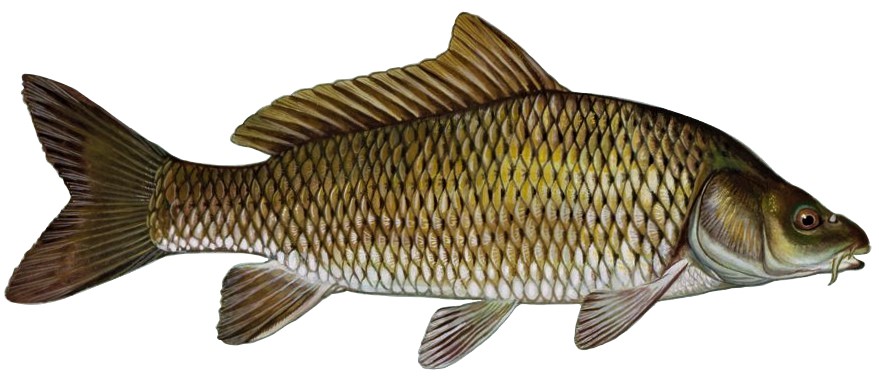
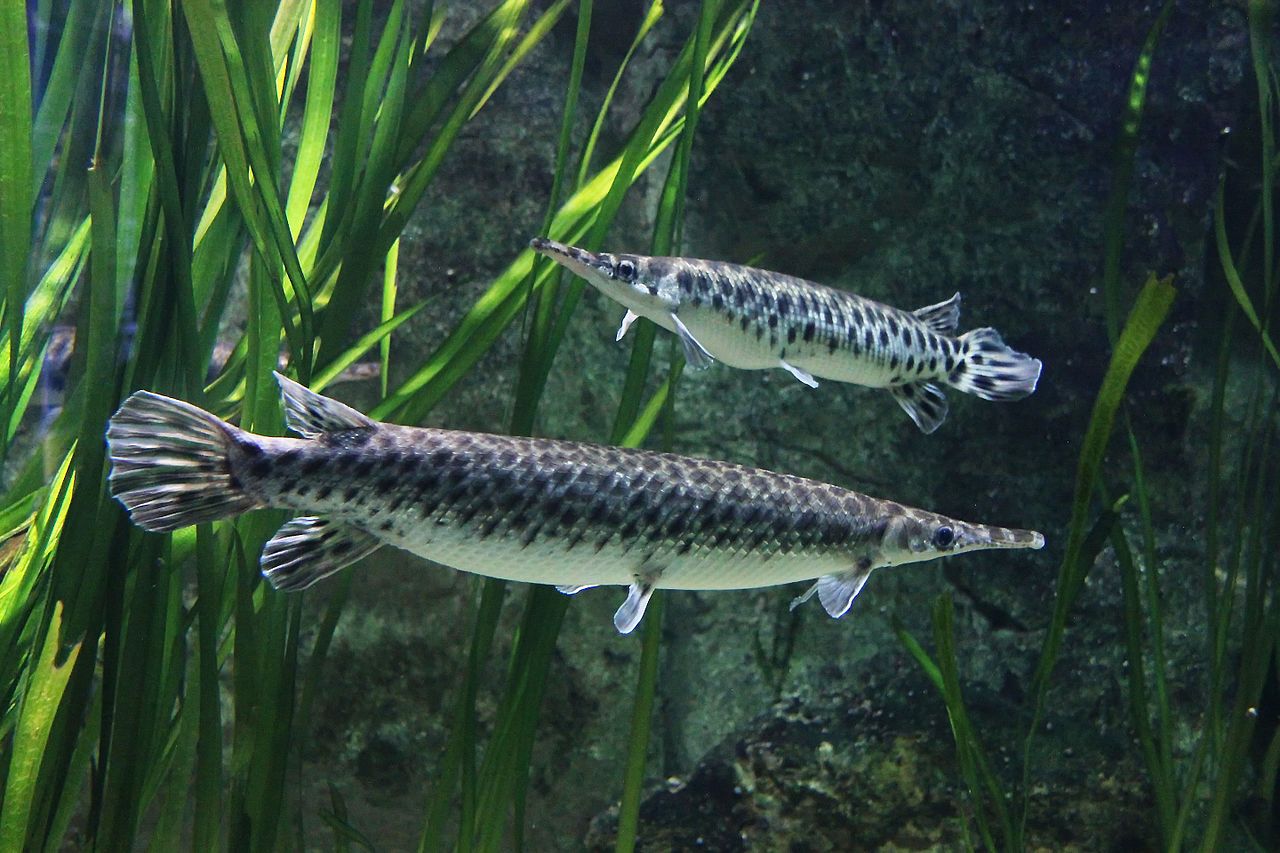
Neopterygii ("new fins") are a major clade of ray-finned fishes that evolved lighter skeletons and more mobile jaws; they include gars, bowfins and the vast radiation of teleosts, which dominate today.
Overview
Neopterygii (literally "new fins") are a large and diverse group of ray-finned fishes within the class Actinopterygii. They are distinguished from more primitive ray-finned lineages by a suite of skeletal and jaw modifications that improved swimming efficiency and feeding versatility. The clade includes relatively small groups of living "primitive" neopterygians such as gars and bowfins, together with the enormous assemblage of teleost fishes that make up most modern species.
Image gallery
10 Images






Key characteristics
Neopterygians typically show lighter, more flexible skeletons and changes in scale type compared with early actinopterygians. Their jaws are more mobile and capable of rapid protrusion, thanks in part to a movable premaxilla, which enhances suction and prey capture. Tail and fin shapes became more varied, and many neopterygians possess a homocercal tail (externally symmetrical) that improves steady swimming. These features correlate with greater speed, maneuverability, and ecological diversity.
History and evolution
Neopterygii arose before the Mesozoic era; fossil evidence indicates they appeared by the Late Permian and became more diverse during the Mesozoic. Over millions of years they replaced or supplemented older ray-finned groups in many habitats. The evolutionary innovations in jaw mechanics and fin structure helped neopterygians exploit a wide range of food sources and niches.
Classification and relationships
The group is conventionally divided into two broad branches: a small assemblage sometimes grouped as Holostei (for example gars and bowfins) and the much larger Teleostei. Teleosts represent the vast majority of modern fish species and account for most familiar fishes in oceans and freshwater. Neopterygii sit within the greater Actinopterygii, the ray-finned fishes, which contrast with lobe-finned fishes.
Importance, examples and notable facts
Neopterygian fishes dominate aquatic ecosystems and have major ecological and economic importance. Most food fishes, aquarium species and research model organisms are teleost neopterygians. Examples range from primitive-seeming gars to commercially important teleosts such as salmon, tuna and herring. Their evolutionary success illustrates how relatively modest anatomical changes — lighter bones, altered scales, and improved jaw mobility — can open many new ecological opportunities. For an outline of their early fossil record and timing, see a general reference on Permian fish origins here.
Further reading
- General overview of ray-finned fish groups: Neopterygii summary
- Relation to broader actinopterygian diversity: Actinopterygii context
- Teleost diversity and dominance: Teleosts page
- Origins in the Late Permian and fossil notes: Permian origins
Related articles
Author
AlegsaOnline.com Neopterygii: the modern ray-finned fishes Leandro Alegsa
URL: https://en.alegsaonline.com/art/69161