
Neo‑Babylonian Empire (Chaldean Dynasty) — overview and legacy
Late Iron Age Mesopotamian state (626–539 BC) centred on Babylon; noted for Nebuchadnezzar II’s building programs, the fall of Assyria, developments in astronomy, and conquest by Cyrus the Great.
Overview
The Neo‑Babylonian Empire, often called the Second Babylonian Empire or the Chaldean dynasty, was a major Mesopotamian state that rose in the late 7th century BC. It restored Babylonian political independence within the region historically known as Babylonia and is usually dated from the revolt of Nabopolassar in 626 BC to the capture of Babylon in 539 BC by Cyrus the Great. The dynasty that ruled during this period is commonly referred to as the Chaldean dynasty, after a southern tribal grouping of Babylonian origin.
Image gallery
10 Images




Characteristics and institutions
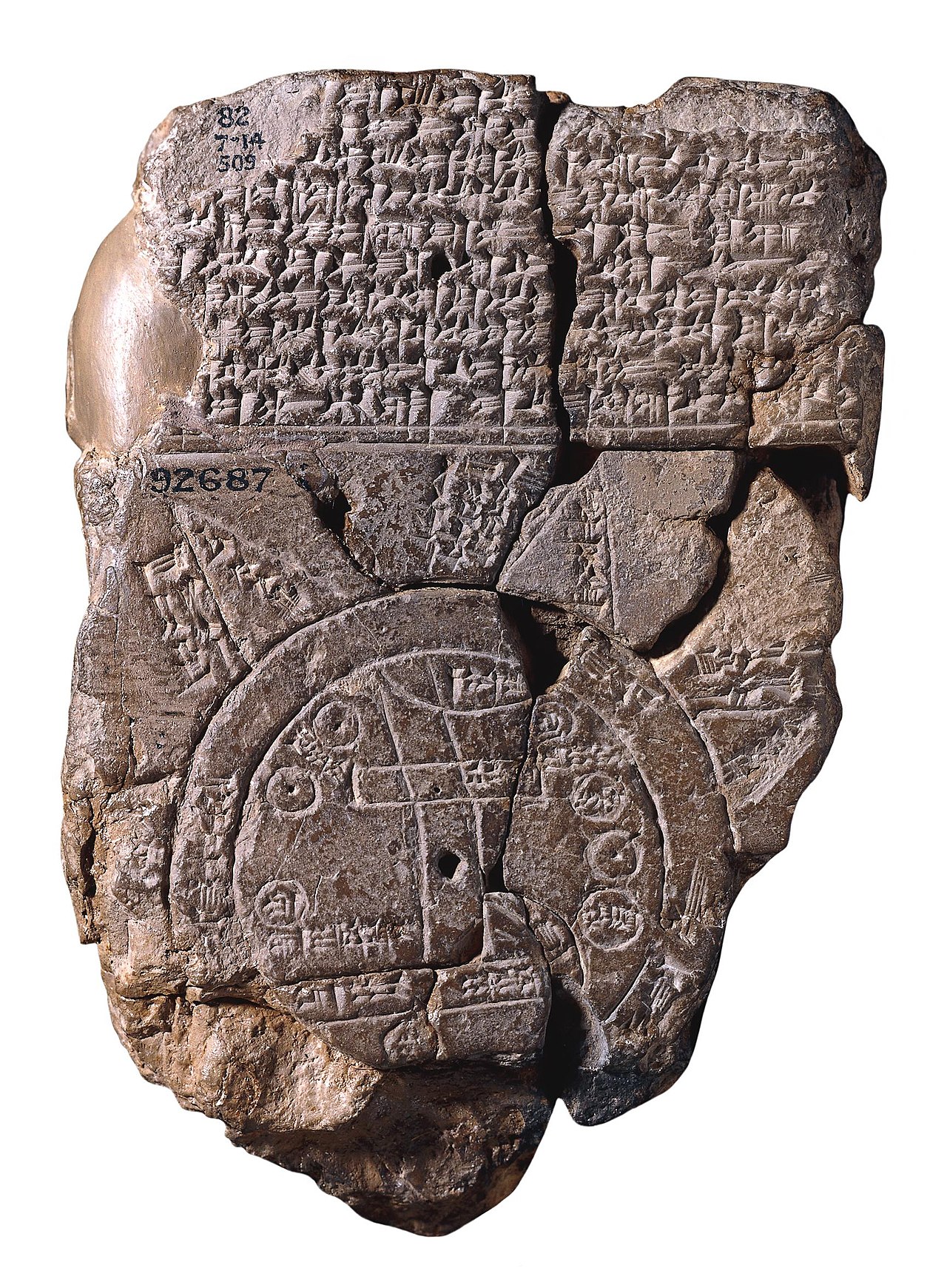
Babylon served as the empire’s political and cultural centre. Rulers invested heavily in monumental architecture, irrigation systems and city walls, and maintained the administrative traditions of earlier Mesopotamian states. The empire used Akkadian (in cuneiform) for royal inscriptions and mail, while Aramaic functioned widely as a spoken and administrative lingua franca.
- Economy: intensive irrigation agriculture, trade along overland and river routes, and tribute from subject territories.
- Administration: provincial governors and a palace bureaucracy that handled taxation, labour and legal matters.
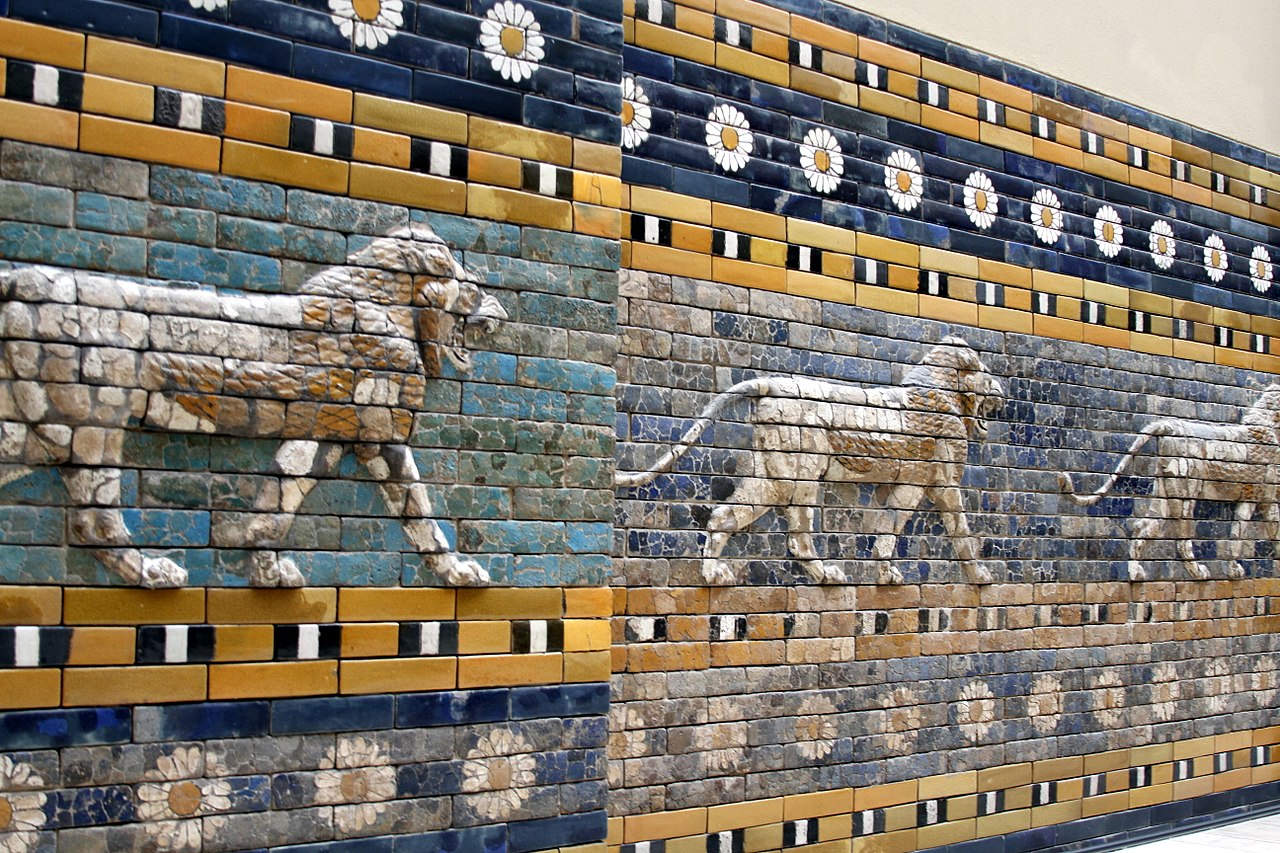
- Urbanism: large public works such as temples, gates and canals; Babylon’s famous fortifications and processional ways were signatures of the era.
Rise, expansion and fall
The empire emerged as the dominant successor after the disintegration of the Neo‑Assyrian state. Nabopolassar’s rebellion weakened Assyrian control, and his son Nebuchadnezzar II consolidated and expanded power, defeating rival forces in the Levant and Anatolia and undertaking extensive building in Babylon. Military actions during this period included campaigns in the eastern Mediterranean and the conquest and later destruction of Jerusalem, events that shaped regional history. The last rulers, including Nabonidus, presided over a kingdom that was wealthy but politically vulnerable; it ended when Cyrus captured Babylon in 539 BC with relatively little urban destruction.
Culture, science and legacy
The Neo‑Babylonian period is noted for a cultural renaissance: patronage of the arts, the restoration of temples, and continued advances in astronomy and mathematics associated with Babylonian scholarly traditions. These achievements influenced neighboring cultures and later Hellenistic scholarship. The empire also features prominently in Near Eastern and biblical histories, and its capital’s image — monumental gates, grand walls and legendary gardens — endured in later literature and art.
Notable distinctions
Although sometimes conflated with the earlier Babylonian states or with the Neo‑Assyrian Empire against which it rose, this dynasty is distinct for its late Iron Age revival of Babylonian identity and for the label "Chaldean," which ancient Greeks and later writers used both geographically and, occasionally, as shorthand for astrologers and scholars from southern Mesopotamia. Scholarly and popular interest continues in its archaeology and in questions about urban life, administration and science during the empire’s relatively brief but influential existence. For further reading see concise summaries and primary inscriptions at Babylonia resources and specialized discussions of the dynasty at Chaldean dynasty studies; military and diplomatic contexts are treated in works on Assyria and imperial transitions, while accounts of the conquest and its aftermath appear under Cyrus the Great and the fall of Babylon.
Related articles
Author
AlegsaOnline.com Neo‑Babylonian Empire (Chaldean Dynasty) — overview and legacy Leandro Alegsa
URL: https://en.alegsaonline.com/art/69121