
Nerva–Antonine dynasty (96–192 AD)
Roman imperial dynasty of seven emperors (Nerva to Commodus) noted for adoptive succession, relative stability, expansion and cultural achievements before the late 2nd-century crisis.
Overview
The Nerva–Antonine dynasty names a sequence of seven emperors who ruled the Roman Empire between 96 and 192 AD. The period is commonly remembered for a long phase of competent administration, legal and cultural development, and — until its end — relative internal peace. Historians often distinguish the early part of the dynasty, when rulers were chosen by adoption rather than hereditary descent, from its final years, when dynastic succession and political instability returned.
Image gallery
10 Images




Rulers
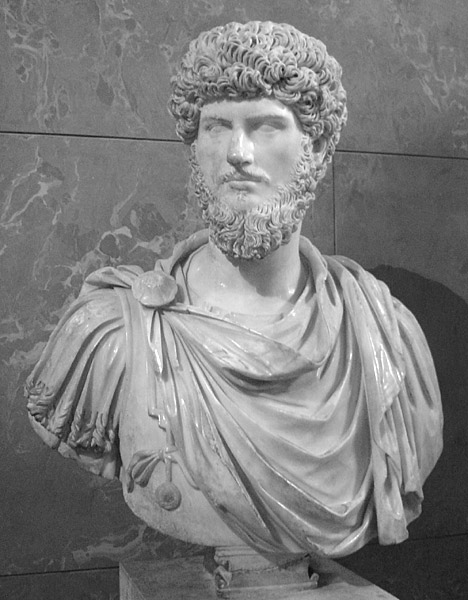
- Nerva — selected by the Senate after the assassination of Domitian; his brief reign (96–98) marked the start of a conscious effort to stabilize imperial succession.
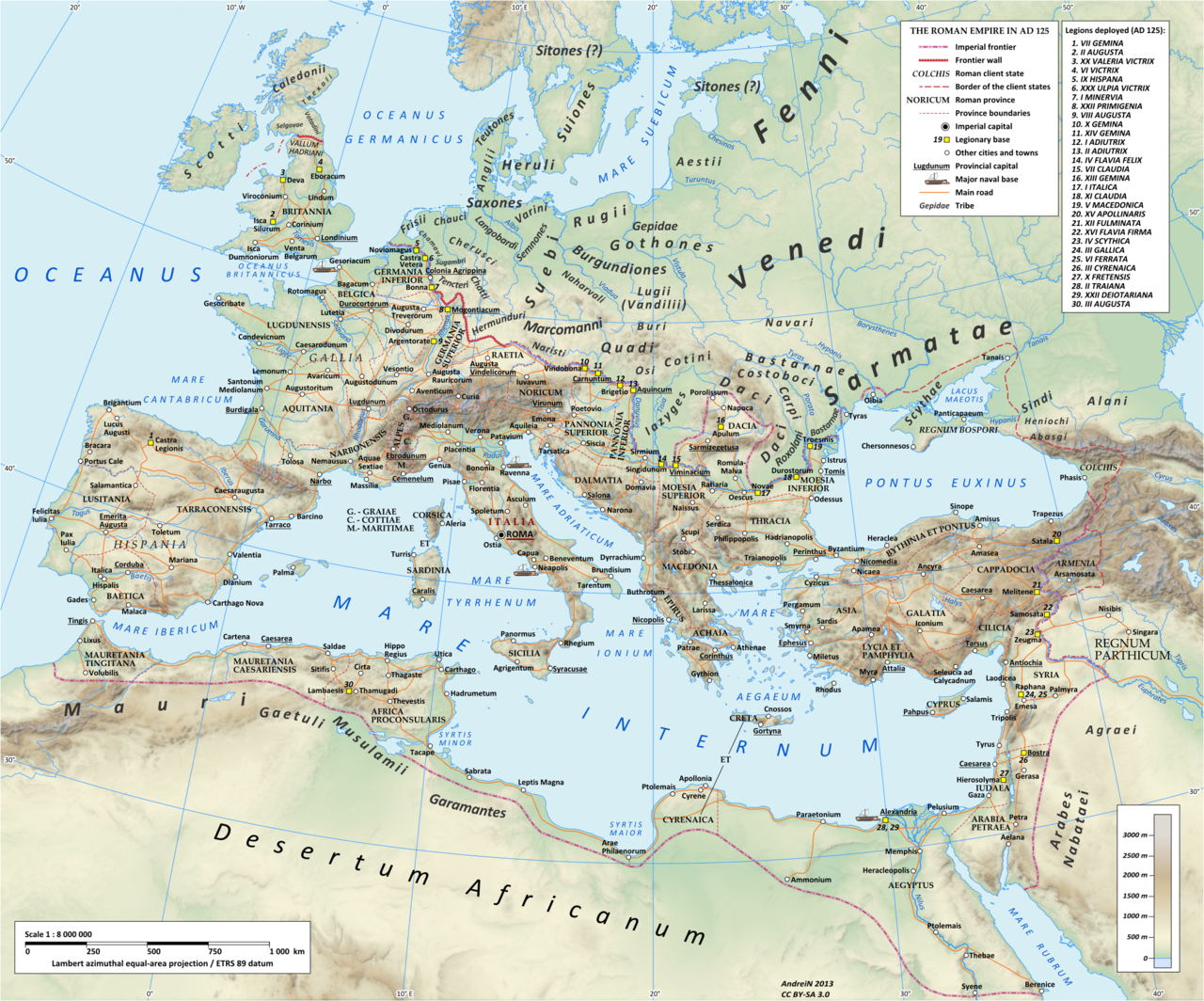
- Trajan — an energetic general-emperor (98–117) who expanded the empire to its greatest territorial extent and sponsored major public works.
- Hadrian — (117–138) focused on consolidating and defending existing frontiers, best known for his travels and architectural projects.
- Antoninus Pius — (138–161) presided over an era of administrative continuity and legal refinement with relatively few military conflicts.
- Marcus Aurelius — (161–180) philosopher-emperor remembered for his Stoic writings and for leading Rome through sustained military pressure on several frontiers.
- Lucius Verus — co-emperor with Marcus Aurelius (co-reign from 161), sharing responsibility for eastern campaigns and imperial duties.
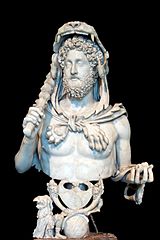
- Commodus — (177/180–192) son of Marcus Aurelius; his rule and assassination are widely seen as marking the end of the dynasty's earlier stability.


Government, succession and administration
A distinctive feature of the dynasty's first decades was adoptive succession: capable adults were chosen as heirs to ensure experienced leadership rather than relying solely on birth. This practice encouraged administrative continuity and the promotion of talented governors, jurists and generals. Imperial institutions, the Senate's role, provincial administration and the army all evolved during this period, with emperors issuing legal rescripts, sponsoring public building projects and managing finances to sustain Rome's infrastructure.
Cultural and architectural legacy
These emperors left a substantial material and intellectual legacy. Monumental architecture, roads and bridges improved communication across the empire; literature, law and philosophy also flourished — Marcus Aurelius's Meditations being the most famous surviving text from an emperor of this line. Trajan's monuments, Hadrian's building program and Antoninus Pius's legal patronage exemplify how imperial patronage shaped Roman urban life and cultural institutions.
Decline and historical significance
While the dynasty is often praised for relative stability and capable rule, the accession of Commodus and his subsequent assassination in 192 precipitated a succession crisis and a rapid slide into civil conflict. The contrast between the period of adoptive emperors and the later return to hereditary rule is a focal point for historians assessing why the Roman imperial system became more fragile in the late 2nd and 3rd centuries. For further reading and source-oriented introductions see entries linked above: dynastic overview, primary accounts and modern studies of individual reigns such as Trajan and Hadrian.
Notable distinctions
Among notable features: the use of co-emperorship (as with Marcus Aurelius and Lucius Verus), the transition from adoptive to hereditary succession, and a cultural imprint that persisted in law, architecture and philosophy. These elements make the Nerva–Antonine era a key chapter in the long-term development of imperial Rome and its institutions.
Questions and answers
Q: Who were the members of the Nerva–Antonine dynasty?
A: The members of the Nerva–Antonine dynasty were Nerva, Trajan, Hadrian, Antoninus Pius, Marcus Aurelius, Lucius Verus, and Commodus.
Q: When did this dynasty rule over the Roman Empire?
A: This dynasty ruled over the Roman Empire from 96 to 192.
Q: What was the order of rulers in this dynasty?
A: The order of rulers in this dynasty was Nerva, Trajan, Hadrian, Antoninus Pius, Marcus Aurelius, Lucius Verus and Commodus.
Q: Who was the first ruler in this dynasty?
A: The first ruler in this dynasty was Nerva.
Q: Who was the last ruler in this dynasty? A: The last ruler in this dynasty was Commodus.
Q: How many Emperors were part of this group? A: There were seven Emperors who were part of this group.
Related articles
Author
AlegsaOnline.com Nerva–Antonine dynasty (96–192 AD) Leandro Alegsa
URL: https://en.alegsaonline.com/art/69216