
Nellaiappar Temple (Tirunelveli, Tamil Nadu)
A major Shaivite temple at the heart of Tirunelveli, Tamil Nadu, noted for its historic central location, pillared mandapams, legends of a bamboo grove and its role in local religious life.
Overview
The Nellaiappar Temple is the principal Hindu shrine in the city of Tirunelveli, in southern India. Dedicated to Shiva under the local name Nellaiappar, the complex stands in the centre of the old city and has long been a focal point for religious life, commerce and cultural identity. The temple is associated with the Tamil-speaking region and its traditional name in the local language is often displayed in temple records and guidebooks: Tamil name. For geographic context, the shrine is situated in Tirunelveli, a district headquarters in Tamil Nadu, India.
Image gallery
10 Images




Layout and principal features
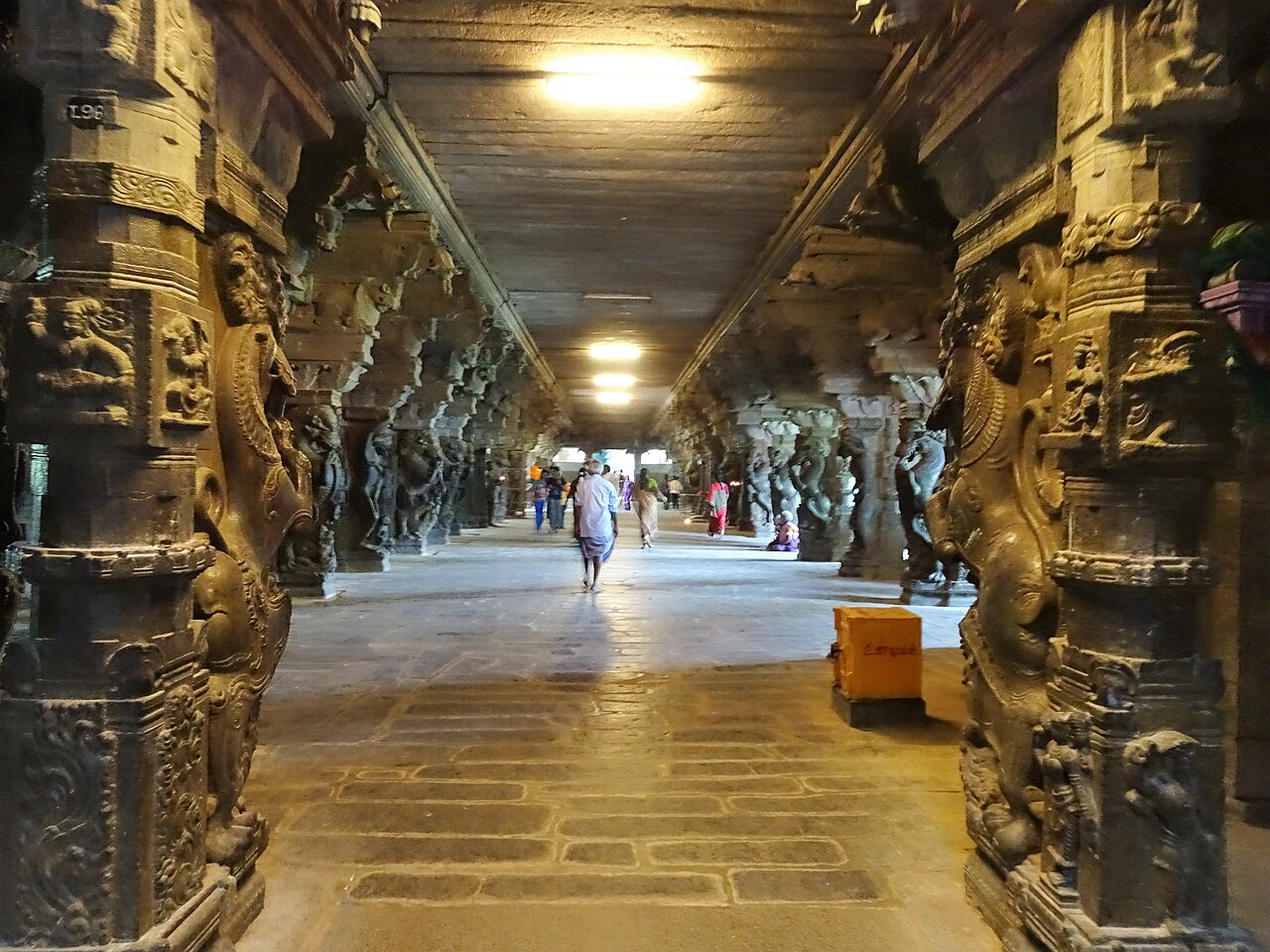
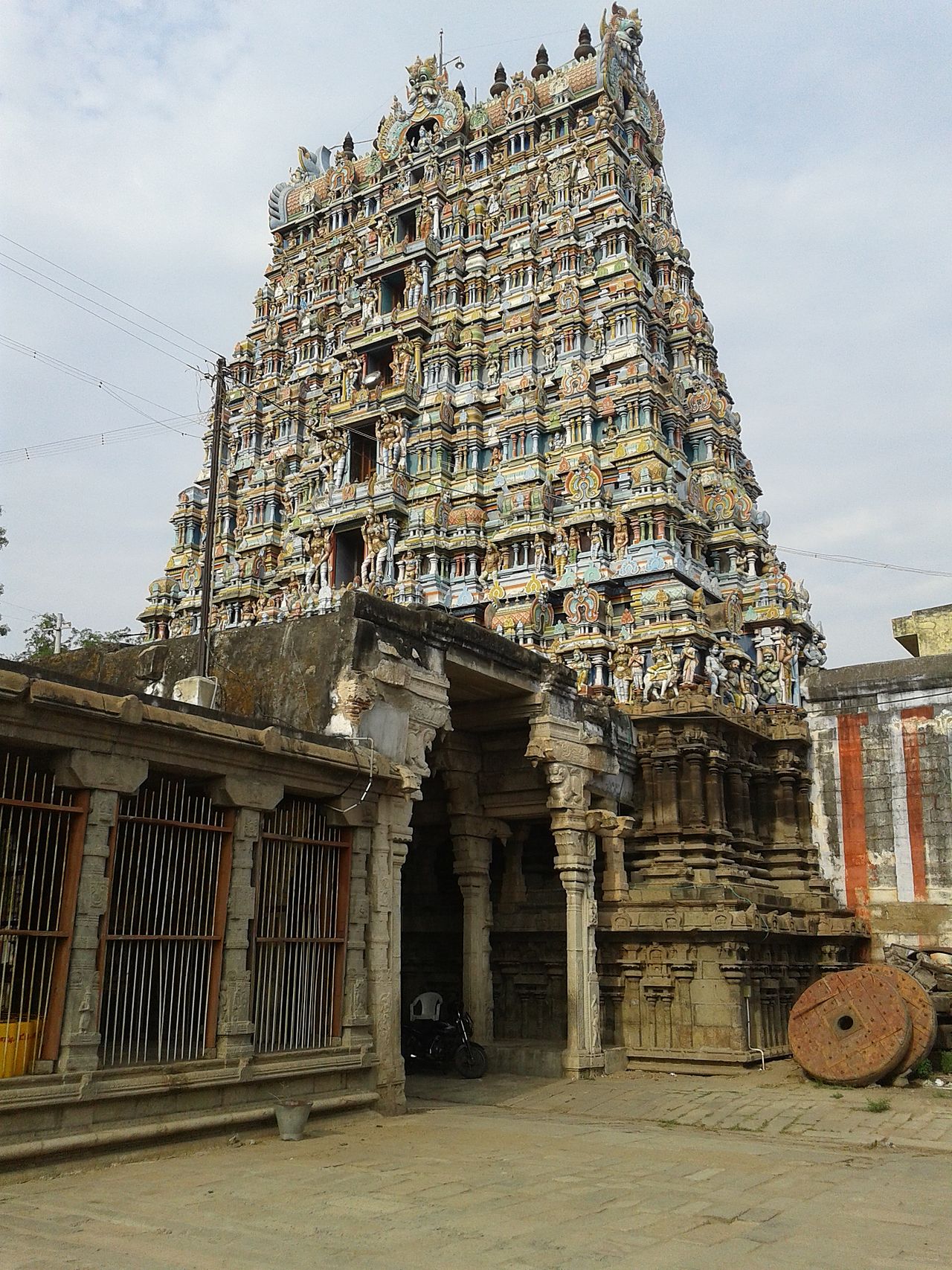
The temple complex occupies a compact, rectangular site bounded by city streets on all sides and surrounded by shops and markets. Its plan is typical of many South Indian Shiva temples: a sanctum for the presiding deity, a shrine for his consort, circumambulatory passages and a sequence of halls and mandapams. A landscaped inner compound with a pavilion for seasonal rituals—often referred to as a vasantha mandapam or spring pavilion—forms a notable centrepiece. Local accounts and temple tradition also emphasize the presence of a grove or former bamboo stand near the site; this connection is sometimes recalled in ritual observances and oral histories (bamboo reference).
History and legends
Legends and temple tradition attribute the founding and early patronage of the shrine to medieval rulers of the region; the site is associated with rulers and local chieftains who contributed to its growth over centuries. Inscriptions, architectural style and later renovations point to a long process of construction and care, with additions occurring in successive periods. A popular legend explains the temple’s name as referring to the divine protector of the town—Nellaiappar—and connects the spot to a sacred grove that once distinguished the locality.
Architecture and sculpture
Visitors encounter carved pillars, pillared halls and elaborately sculpted doorways that reflect the craftsmanship of several eras. The mandapams serve both liturgical and communal functions: they host music and dance in festival times and provide shelter for worshippers. Decorative motifs include traditional Shaivite iconography, stylized floral designs and narrative reliefs. The temple compound integrates built elements with a small garden and courtyards that together create a sequence of intimate devotional spaces.
Rituals, festivals and cultural role
The temple remains an active center of worship where daily puja and major Shaivite observances are celebrated. Commonly noted festivals include those centred on Shivaratri and the temple’s annual processional events (temple car and flag ceremonies). These occasions draw large numbers of devotees from the city and surrounding areas, and local traders and artisans continue to depend on the footfall generated by temple activity.
Visiting and notable facts
- The shrine’s central location gives it a special civic prominence within Tirunelveli’s urban fabric.
- The compound demonstrates layers of building activity and patronage rather than a single construction episode.
- While the temple is primarily Shaivite, its calendar and public role intersect with broader cultural traditions of the region.
For further general reading and practical visitor guidance consult local resources and cultural guides. Photographs and regional histories often highlight the temple’s mandapams and the stories that help explain the name Nellaiappar and the temple’s place in local memory. Additional background can be sought through curated guides or regional heritage publications (language reference, city, state, country, grove tradition).
Related articles
Author
AlegsaOnline.com Nellaiappar Temple (Tirunelveli, Tamil Nadu) Leandro Alegsa
URL: https://en.alegsaonline.com/art/69068