
New religious movement
A concise overview of new religious movements: defining features, development, controversies, examples, and how scholars and societies study them.
Overview
A "new religious movement" (NRM) is a descriptive term used by scholars to refer to religious, spiritual, or faith-based groups that have emerged relatively recently and are usually smaller in size than long-established world religions. The label is neutral and meant to distinguish scholarly discussion from value-laden terms. For a general introduction to the concept see further reading.
Image gallery
6 Images



Typical characteristics
No single set of traits defines every NRM, but common features identified in sociological and religious studies include:
- Recent origin or rapid growth compared with older world religions.
- High rates of conversion; many adherents join as adults rather than being born into the tradition.
- Membership often drawn from particular social groups or demographics; scholars have noted links with social change and new middle-class constituencies (see social context).
- Leadership that may be charismatic or strongly identified with a founder or central teacher (charisma, leadership).
- Clear boundaries between insiders and outsiders, which can be more marked than in many mainstream faiths.
- Organizational flexibility: forms and practices often evolve rapidly in early decades.
History and development
NRMs arise in many cultural settings and historical periods. Some emerge from reform movements within established religions; others combine elements from different traditions or emphasize new revelations, practices, or interpretations. Their formation is often connected to broader social, economic, or technological change. Over time, some NRMs institutionalize and become less distinctive, while others decline or dissolve.
Social responses and controversies
Public reactions to NRMs range from tolerance and curiosity to suspicion and conflict. Pejorative labels such as "sect" (sect) or "cult" (cult) have been applied in popular discourse; scholars caution against these terms because they carry moral judgment and imprecise meanings. Disputes involving NRMs have sometimes centered on allegations of coercive control, child custody, financial practices, or clashes with law enforcement, producing high-profile court cases and media attention.
Examples and distinctions
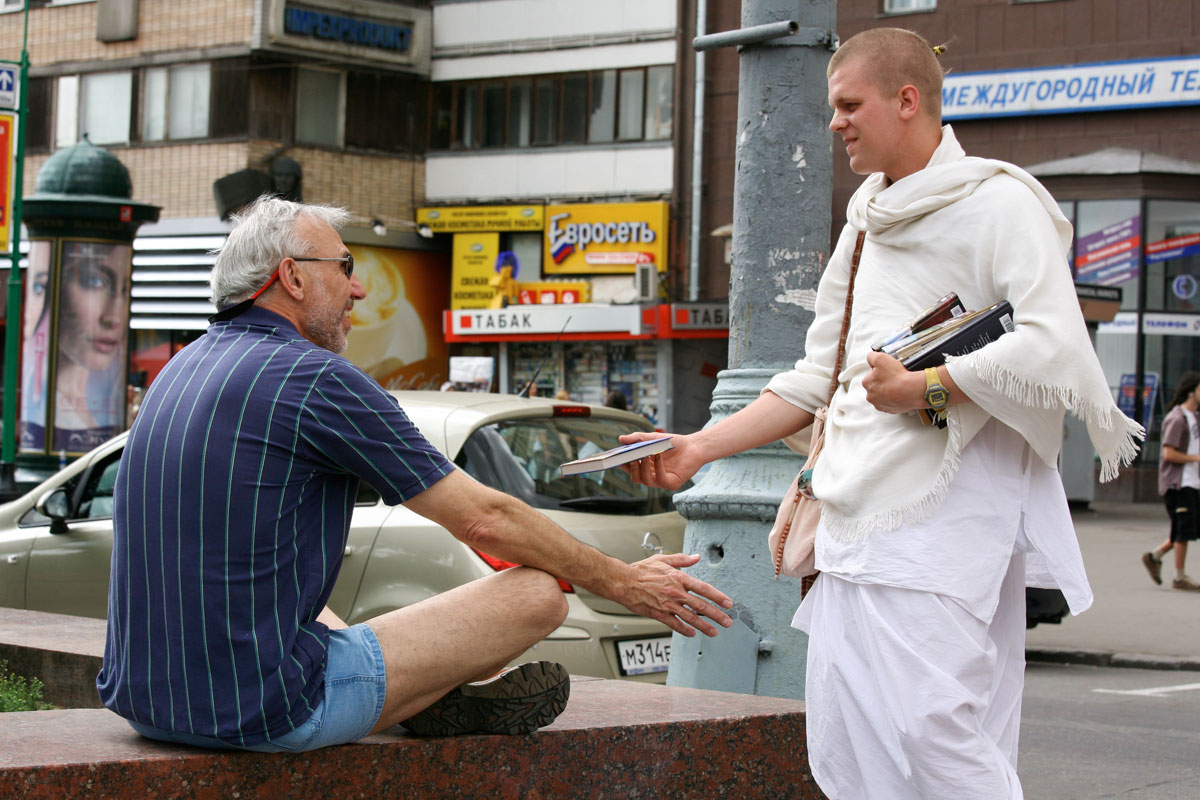
Well-known groups that have been discussed as NRMs include a wide range of traditions and movements; examples often cited in public debate and study are: Scientology, Transcendental Meditation, Unification Church, Family International (Children of God), Branch Davidians, Heaven's Gate, and Wicca. These examples illustrate the variety of beliefs and organizational models grouped under the NRM label.
Study and public policy
Academics in sociology, religious studies, law, and psychology study NRMs to understand recruitment, belief formation, leadership dynamics, and societal impact. Public policy responses—ranging from protection of religious freedom to consumer and criminal investigations—seek to balance civil liberties with safety and legal standards. For more resources on research methods and policy debates, consult specialized bibliographies and institutional guides (overview, context).
Notable fact: Because the term "new" is relative, some groups once described as NRMs have become established religions over generations. The category, therefore, is useful for analysis but not a permanent label.
Questions and answers
Q: What is a new religious movement?
A: A new religious movement is a term used to refer to certain religious communities, which are usually small compared to world religions and do not have a long history.
Q: What is usually true about members of new religious movements?
A: Most people in the movement converted from another religion, and the case where the parents and children are part of the same movement does not occur often. The members are all part of the same social group, for example, the new middle class.
Q: Is there a charismatic leader in new religious movements?
A: Yes, there is typically a charismatic leader in new religious movements.
Q: How does the distinction between members of a new religious movement and those who are not differ from mainstream religions?
A: The distinction between people who are part of the movement and those that are not can often not be made easily, unlike in mainstream religions.
Q: Does the organization of new religious movements remain the same over time?
A: No, the way the group is organized may change in new religious movements.
Q: What are other names for new religious movements?
A: Other names for new religious movements include sect and cult.
Q: Can you provide some examples of movements that have been called cults?
A: Yes, examples of movements that have been called cults include Scientology, Transcendental Meditation, Unification Church, Family International (also called Children of God), Branch Davidians, Heaven's Gate, and Wicca.
Related articles
Author
AlegsaOnline.com New religious movement Leandro Alegsa
URL: https://en.alegsaonline.com/art/69595