
National University of La Plata
Public research university in La Plata, Argentina, founded in 1905. A major national institution with diverse faculties, research centers, cultural institutions and a prominent role in regional higher education.
Overview
The National University of La Plata (Universidad Nacional de La Plata) is a public, state-funded institution located in the city of La Plata, Argentina. Established in 1905, it is one of the country's principal national universities, offering undergraduate, graduate and professional programs across a broad spectrum of fields. The university serves as a regional center for teaching, research and cultural activities; its campus and affiliated facilities are an important part of the urban fabric of La Plata and its surroundings. For location reference see coordinates.
Image gallery
10 Images


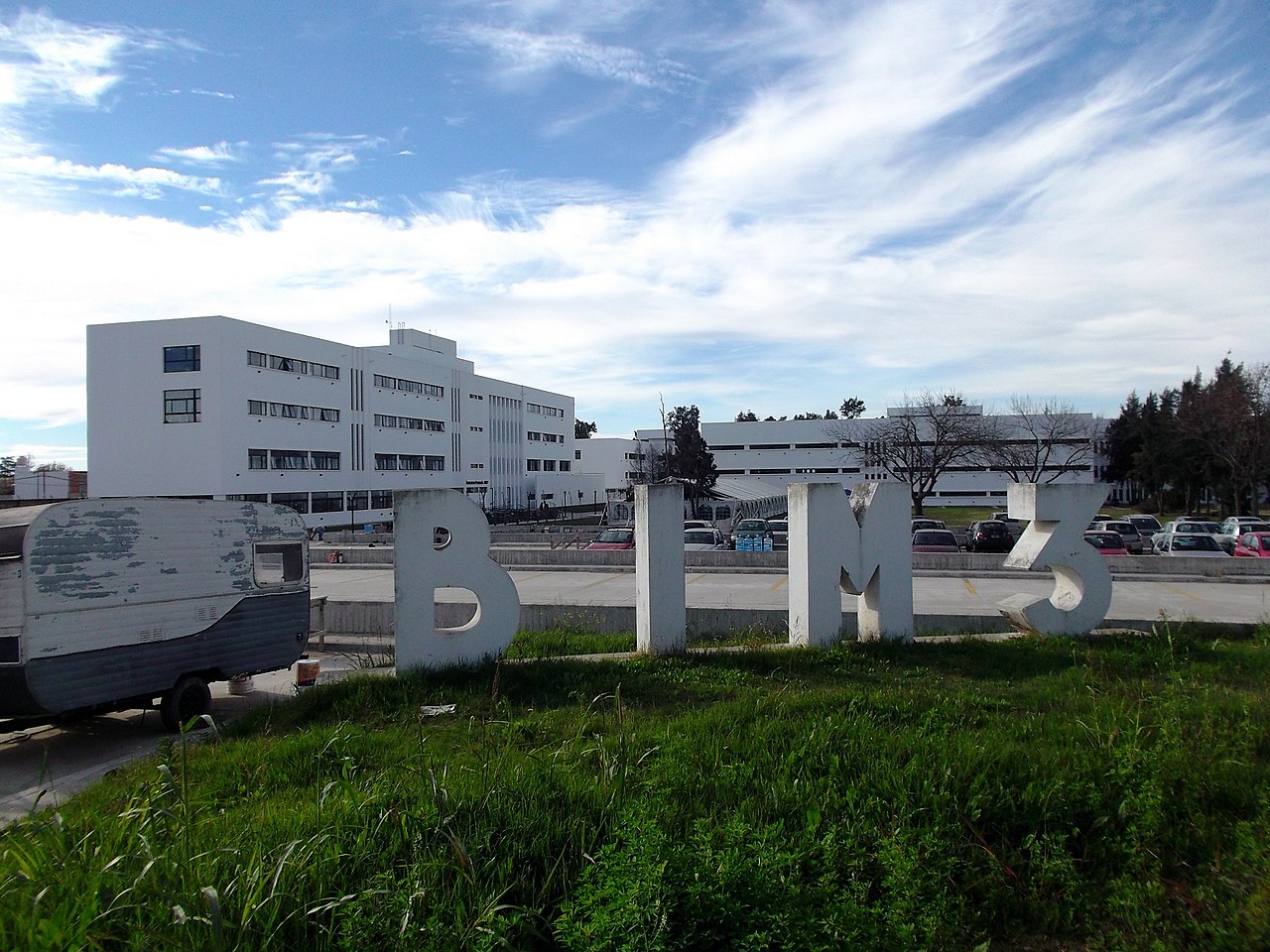


Campus and facilities
The university's presence is distributed through a mix of historic buildings and purpose-built academic complexes. Facilities commonly associated with the institution include lecture halls, laboratories, libraries, and specialized centers. Notable affiliated entities include the university's natural history and archaeology museum, which functions as both a research institute and a public exhibition space.
- Central and suburban campuses serving different faculties and institutes.
- Research laboratories and observatories supporting science and technology programs.
- Museums, botanical and natural collections accessible to researchers and the public.
Academic structure and research
The university comprises multiple faculties and schools covering the humanities, social sciences, natural sciences, engineering, health sciences and arts. Programs range from professional degrees to postgraduate doctorates and diplomas. Research activity spans basic and applied domains, with collaborations that often involve national research councils and international partners. The institution also hosts scholarly journals and contributes to regional knowledge transfer and innovation.
History and development
The National University of La Plata was founded in 1905 by Dr. Joaquín Víctor González, as part of a wider effort to expand public higher education in Argentina. Since its establishment, the university has evolved through curriculum reforms, expansion of faculties and the growth of research infrastructure. Over the twentieth century it became closely linked to La Plata's civic identity and cultural life.
Role, uses and importance
As a major public university, the institution plays several roles: educating a large and diverse student body, conducting scientific and humanistic research, and providing cultural services to the community. Graduates serve in education, healthcare, government, industry and the arts across Argentina. The university's public mission includes extension programs and community outreach that address social and economic needs in the region.
Distinctions and notable facts
The university is recognized for its contributions to regional development and for maintaining a wide portfolio of disciplines under public governance. It is an important node in national higher education networks and research consortia. Visitors and scholars often encounter its museums and collections, which support both public engagement and specialist study. For further institutional or geographic detail consult institutional resources or official guides available through the university's information channels.
Coordinates • Spanish name • National universities • Argentina • La Plata • Founder
Related articles
Author
AlegsaOnline.com National University of La Plata Leandro Alegsa
URL: https://en.alegsaonline.com/art/68718
Sources
- unlp.edu.ar : Universidad Nacional de La Plata - History
- fau.unlp.edu.ar : fau.unlp.edu.ar/
- fba.unlp.edu.ar : fba.unlp.edu.ar/
- agro.unlp.edu.ar : agro.unlp.edu.ar/
- fcaglp.unlp.edu.ar : fcaglp.unlp.edu.ar/
- econo.unlp.edu.ar : econo.unlp.edu.ar/
- exactas.unlp.edu.ar : exactas.unlp.edu.ar/
- jursoc.unlp.edu.ar : jursoc.unlp.edu.ar/
- atlas.med.unlp.edu.ar : atlas.med.unlp.edu.ar
- fcnym.unlp.edu.ar : fcnym.unlp.edu.ar/
- fcv.unlp.edu.ar : fcv.unlp.edu.ar/
- fahce.unlp.edu.ar : fahce.unlp.edu.ar/
- info.unlp.edu.ar : info.unlp.edu.ar/
- ing.unlp.edu.ar : ing.unlp.edu.ar/
- folp.unlp.edu.ar : folp.unlp.edu.ar/