
National University of San Marcos
Public university in Lima, founded in 1551; Peru's oldest and principal university with many faculties, schools and notable alumni, including Nobel laureate Mario Vargas Llosa.
Overview
The National University of San Marcos is Peru's oldest and one of Latin America's longest-established institutions of higher education. In Spanish it is known as Universidad Nacional Mayor de San Marcos. It functions as a major public university situated in the city of Lima, in Peru. The university traces its formal origin to a royal decree and academic charter issued in the mid-16th century and has played a central role in Peruvian intellectual, political and cultural life since its foundation.
Image gallery
10 Images





Organization and academic scope
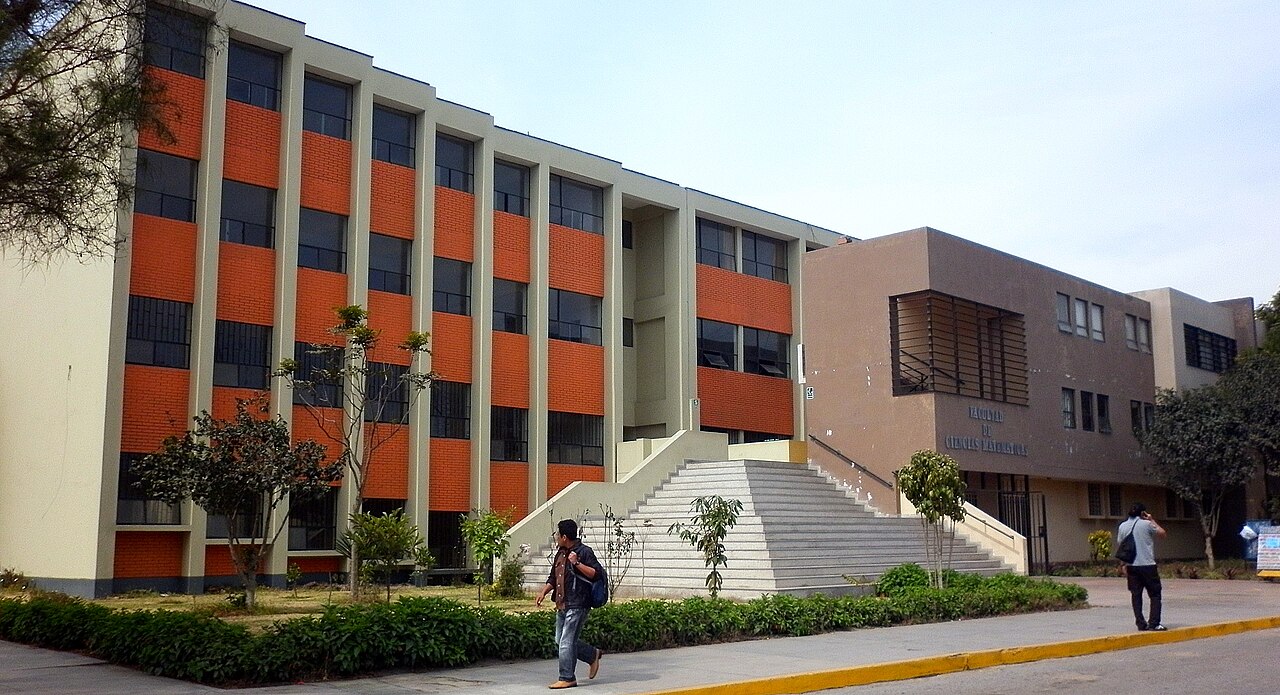
San Marcos comprises a large, multi-faculty structure that serves a wide range of disciplines. It is organized into 20 faculties and approximately 62 academic schools that cover fields such as the natural sciences, social sciences, humanities, health sciences, engineering and law. The institution offers undergraduate and graduate programs, professional training, and research activities. Student enrollment numbers are substantial, reflecting the university's role as a national academic hub.
History and development
The university traces its formal founding to 12 May 1551, and it is often cited as the oldest university of the Americas in continuous operation. Over nearly five centuries it has undergone periods of reform, expansion and modernization while retaining historical traditions. Its archives and historic buildings document colonial, republican and modern eras of Peruvian history and scholarship.
Notable alumni and influence
San Marcos has educated many figures prominent in politics, literature, science and public life. Among its alumni is the novelist and public intellectual Mario Vargas Llosa, who is the country's only recipient of the Peruvian Nobel Prize in Literature. Graduates have served as national leaders, judges, researchers and cultural figures, contributing to the university's reputation as a formative institution for civic and professional leadership.
Role, reputation and distinctions
The National University of San Marcos has long been regarded as a leading academic center in Peru. It combines teaching, research and public service, with university hospitals, research institutes and cultural centers associated with its faculties. Rankings within the country typically place it among the top institutions for academic output and heritage. Its status as a historic university also makes it a focal point for discussions about preservation, academic autonomy and higher education policy in Peru.
Practical information and campus life
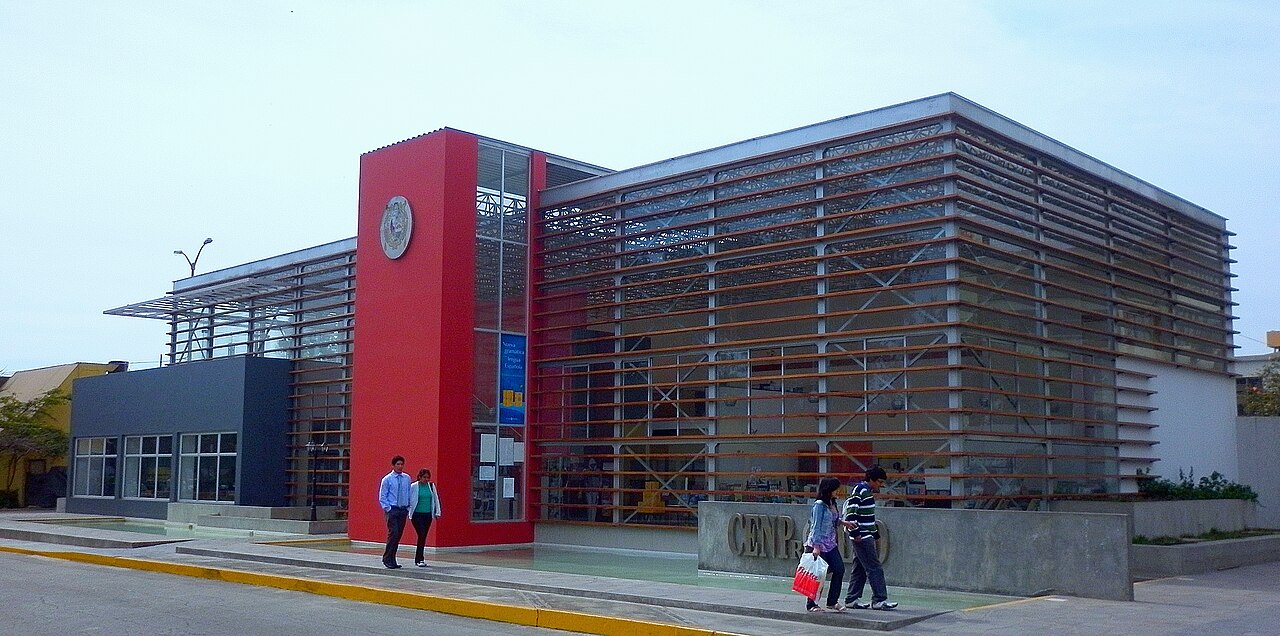
Campus life at San Marcos includes student organizations, academic societies, and community outreach programs. The university's facilities support laboratory work, clinical practice, libraries and performance spaces. Prospective students and researchers often consult institutional pages and admissions offices for program requirements, application procedures and scholarship information.
- Founding date: 12 May 1551
- Spanish name: Universidad Nacional Mayor de San Marcos
- Type: Public university
- Location: Lima, Peru
- Notable alumnus: Mario Vargas Llosa (Nobel Prize)
- Historic claim: Oldest university in the Americas
Questions and answers
Q: What is the National University of San Marcos?
A: The National University of San Marcos is a public university in Lima, Peru.
Q: When was the National University of San Marcos founded?
A: The National University of San Marcos was founded on May 12, 1551.
Q: What is the significance of the National University of San Marcos?
A: The National University of San Marcos is the first and most important university in Peru and the oldest university in the Americas.
Q: How many faculties and academic schools does the National University of San Marcos have?
A: The National University of San Marcos has 20 faculties and 62 academic schools.
Q: How many undergraduate and graduate students are enrolled at the National University of San Marcos?
A: The National University of San Marcos enrolls 28,645 undergraduate students and 3,447 graduate students.
Q: Who is the only Peruvian Nobel Prize winner associated with the National University of San Marcos?
A: Mario Vargas Llosa is the only Peruvian Nobel Prize winner associated with the National University of San Marcos.
Q: How does the National University of San Marcos rank academically in Peru?
A: The National University of San Marcos ranks first in Peru academically.
Related articles
Author
AlegsaOnline.com National University of San Marcos Leandro Alegsa
URL: https://en.alegsaonline.com/art/68719
Sources
- books.google.com.pe : Enciclopedia Temática del Perú. TOMO III: República
- books.google.com.pe : Enciclopedia Temática del Perú. TOMO II: Conquista y Virreinato
- books.google.com.pe : Enciclopedia Temática del Perú. TOMO XII: Salud
- sisbib.unmsm.edu.pe : Hacia una nueva universidad en el Perú
- books.google.com.pe : Enciclopedia Temática del Perú. TOMO XIV: Literatura
- books.google.com.pe : Lima: A cultural history
- books.google.com.pe : La universidad no es una isla... Un estudio, un plan, y tres discursos
- books.google.com.pe : Historia de la Universidad de San Marcos (1551-1980)
- books.google.com.pe : San Marcos, Universidad Decana de América
- sisbib.unmsm.edu.pe : digitalizado
- books.google.com.pe : Enciclopedia Temática del Perú. TOMO XI: Ciencia y Tecnología
- sisbib.unmsm.edu.pe : La Producción científica en San Marcos (1995-2001)
- books.google.com.pe : International Dictionary of University Histories