
Network Rail — owner and operator of Britain's railway infrastructure
Network Rail is the not-for-dividend company that owns and manages the fixed infrastructure of the British railway network, responsible for tracks, signalling, major stations, maintenance and renewals.
Overview
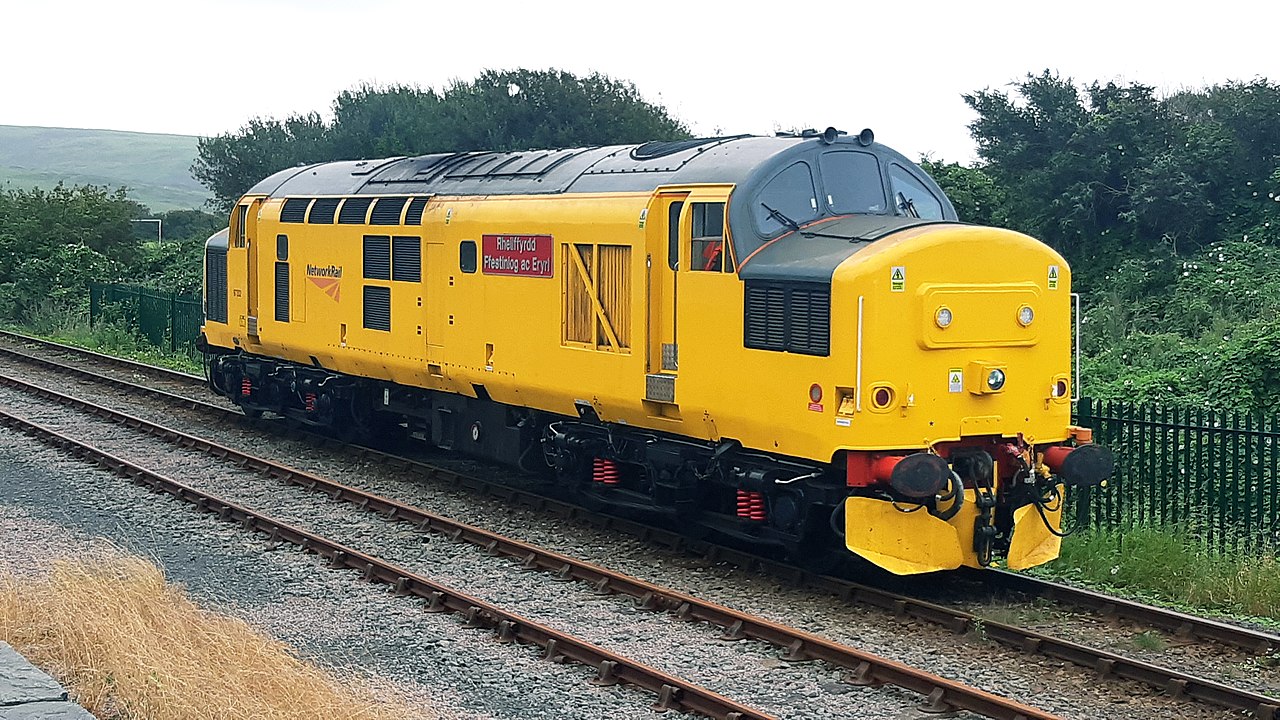
Network Rail is the organisation that owns and operates the fixed physical elements of the mainline railway system in Great Britain. It is a not-for-dividend company limited by guarantee whose principal asset is a subsidiary company limited by shares. Network Rail’s remit covers track, signalling, some major stations, bridges, tunnels and level crossings — the components that together allow passenger and freight services to run.
Image gallery
10 Images




Structure and governance
The company was established in the early 2000s to succeed a previous private owner of infrastructure, and it was set up so that any financial surplus is reinvested rather than distributed to shareholders. It is governed by a board and a senior executive team and organised into regional or route divisions responsible for day-to-day maintenance and planning. The company is regulated by national transport authorities and an independent regulator that oversees performance, safety and charging arrangements.
Main responsibilities
Network Rail’s core duties include:
- Maintaining and renewing track, overhead lines, tunnels, bridges and signals;
- Coordinating engineering works and capacity planning to support train operators;
- Managing performance, safety standards and incident response across the network;
- Delivering infrastructure improvement projects such as electrification or junction upgrades;
- Owning and operating a number of major stations, while many smaller stations remain managed by train operators.
Funding and regulation
Funding for Network Rail comes from a mix of government grants, track access charges paid by train operators and borrowing. An independent regulator sets a periodic funding and performance framework that determines targets and spending limits over multi-year control periods. Because of its public role and financing, Network Rail is subject to close governmental and regulatory oversight.
History and notable points
The organisation was created in response to industry concerns about safety and reliability under the previous ownership model. Since its formation it has overseen large renewal programmes and major enhancement projects, while also facing scrutiny over costs, project delivery and punctuality. For more detail on current projects and published performance reports see the company’s information pages: official site.
Related articles
Author
AlegsaOnline.com Network Rail — owner and operator of Britain's railway infrastructure Leandro Alegsa
URL: https://en.alegsaonline.com/art/69286
Sources
- networkrail.co.uk : Report & Accounts 2007