
Budget: Principles, Types, Planning and Control
An encyclopedic overview of budgets: definition, common types, preparation methods, public and private practice, budgetary balance (surplus, deficit, balanced) and best practices for planning and control.
Definition and purpose
A budget is a financial plan that matches expected income or inflows with intended spending or outflows over a defined period. Budgets are used by individuals, households, projects, businesses and public bodies to allocate resources, set priorities and measure progress. At its simplest a budget lists categories of receipts and expenditures and assigns amounts to each so decision makers can anticipate shortfalls, plan savings, or authorize spending. For project-level planning see project budgets, and for frameworks used by larger organizations consult organizational budgeting.
Image gallery
2 Images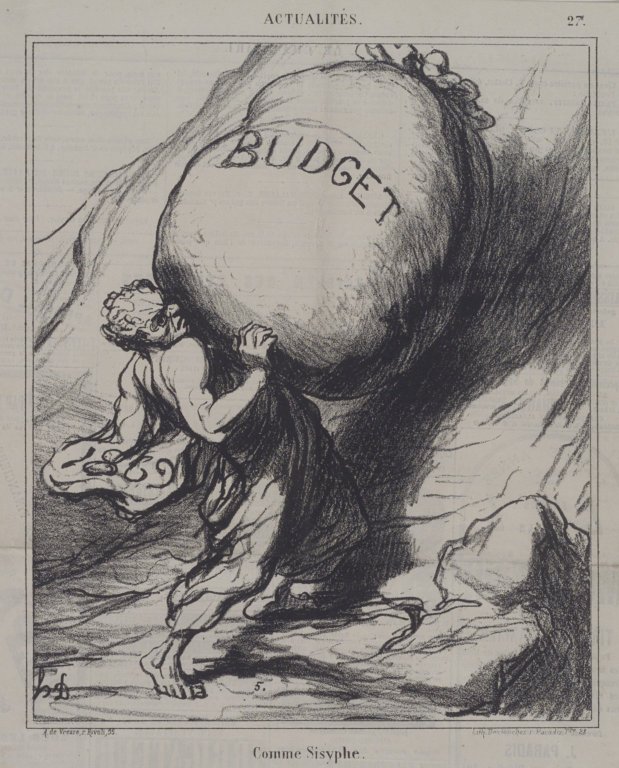

Key components
Typical elements of a budget include:
- Projected revenues or income streams, including operating receipts and one-time inflows.
- Planned expenditures, often separated into operating (recurring) costs and capital (long-term) investments.
- Contingency or reserve amounts to cover unforeseen costs or revenue shortfalls.
- Assumptions and notes documenting the basis for estimates and timing.
Common types of budgets
- Personal or household budgets: plans for wages, bills, savings and discretionary spending.
- Project budgets: itemize materials, labor, overhead and contingencies, common in construction and engineering; see construction budgeting.
- Operating budgets: forecast day-to-day revenues and expenses for an organization.
- Capital budgets: plan long-lived investments such as buildings, equipment or infrastructure.
- Government budgets: present expected public revenues and planned expenditures for a fiscal period; they rely on revenue estimates and report surpluses or deficits as described in deficit and surplus concepts.
Preparation and control
Budgeting is both planning and control. Typical stages are setting objectives and time horizon, forecasting income and constraints, allocating funds by program or department, obtaining approval, and monitoring performance. Common methods include incremental budgeting, zero-based budgeting, rolling forecasts and performance-linked budgets that tie resources to measurable outcomes. Organizations apply variance analysis to explain differences between budgeted and actual figures and to update assumptions.
Public sector practice and fiscal periods
Government budgets are usually prepared annually for a fiscal year and reflect policy priorities, legal rules and macroeconomic considerations. They provide the basis for appropriations, borrowing decisions and public investment planning. Discussions of balanced budgets, deficits and surpluses are central to public finance, and many jurisdictions publish guidance and timelines for preparing the annual plan; for practical guidance see fiscal year guidance.
Limitations and best practices
Budgets are tools, not guarantees. They depend on realistic assumptions, timely information and disciplined execution. Limitations include forecast uncertainty, behavioral distortions from rigid line-item control, and political influence in public budgeting. Best practices encourage clear objectives, regular reforecasting, transparency about assumptions, accountability for budget holders, and alignment of budgets with strategic goals.
Related articles
Author
AlegsaOnline.com Budget: Principles, Types, Planning and Control Leandro Alegsa
URL: https://en.alegsaonline.com/art/15097