
National Diet Library (Japan)
Japan's national library, founded in 1948, supports the Diet and the public with legal-deposit collections, reference services, digital archives, and main facilities in Tokyo and Kyoto.
The National Diet Library is the national repository of Japan, founded in 1948 to provide comprehensive documentary support for public life. Created to assist lawmakers and researchers, it serves both the members of the Diet of Japan and the wider public. As Japan’s national library, it collects, preserves and provides access to a wide range of materials relating to Japan and the world, performing a role often compared to the Library of Congress in the United States.
Image gallery
5 Images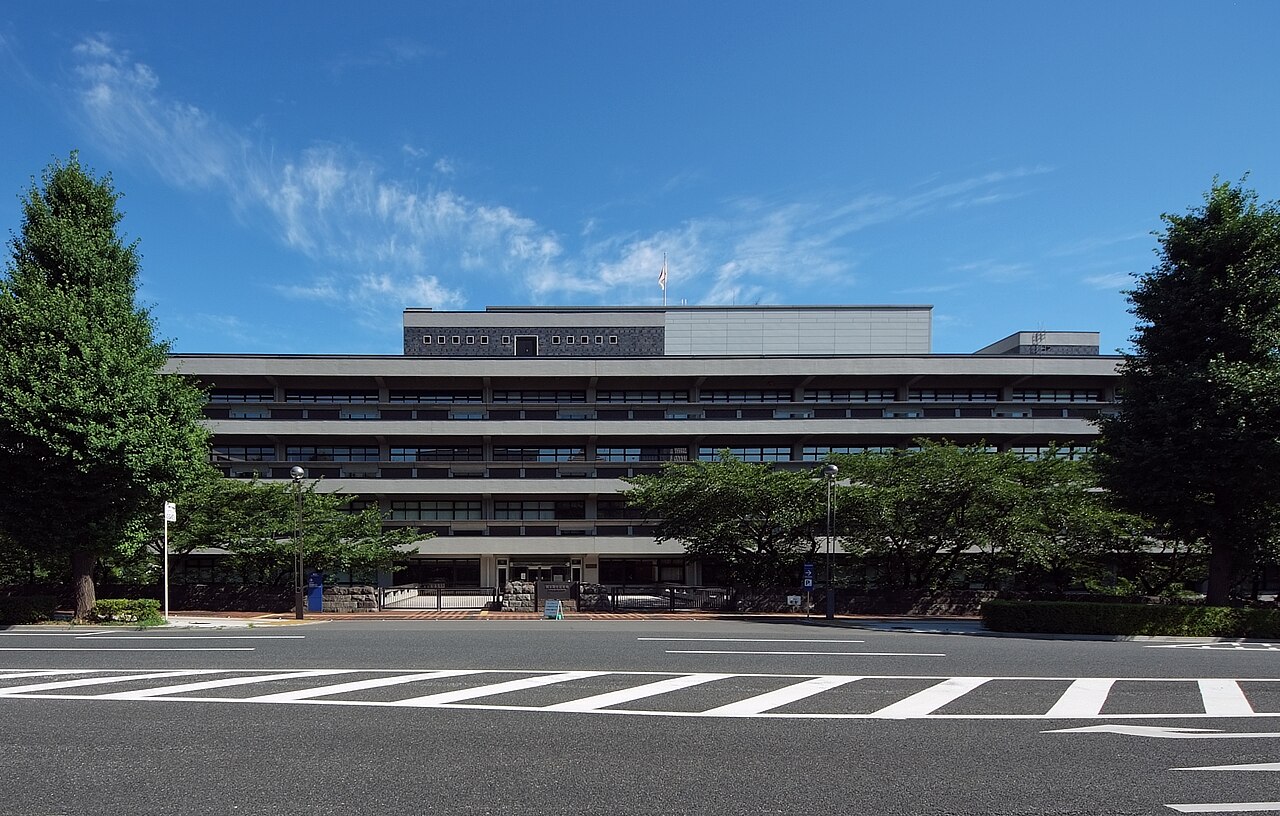


Collections and services
The library maintains legal-deposit collections, meaning it systematically acquires copies of works published in Japan to ensure preservation of the national documentary heritage. Holdings include books, periodicals, newspapers, official documents, maps, manuscripts and audiovisual materials. In recent decades the library has developed extensive digital collections and reproduction services so that users can consult materials remotely or obtain copies when on-site consultation is restricted.
Typical services offered are:
- reference and research assistance for legislators, scholars and the public;
- reading rooms with onsite access to non-circulating items;
- digital archives and searchable catalogs for remote discovery;
- interlibrary loan and reproduction services within legal and preservation limits.
History and development
Established after World War II, the institution was set up to support legislative functions and to centralize national bibliographic resources. Over time it expanded its remit from serving only parliamentary needs to becoming a major public research library and cultural repository. Technological investment has broadened access through digitization projects and online catalogs, increasing availability of historical newspapers, government publications and rare items.
Facilities and access
The National Diet Library operates two principal library complexes: the main parliamentary and research facilities in Tokyo and a major reference and preservation center in Kyoto. In addition, there are branch reading rooms and cooperative arrangements across the country to improve public access. Many core materials are for onsite consultation only, but the library offers copies, digital surrogates, and selected lending or interlibrary services under established rules.
Notable distinctions
As Japan’s central bibliographic and archival institution, the National Diet Library plays a key role in legal deposit, cultural preservation and legislative support. Its combination of parliamentary focus, national collecting responsibilities, and growing digital services makes it a primary research resource for anyone studying Japanese law, government, history and culture.
For general information and catalogs consult the library’s public guides and digital portals or contact regional reading rooms for access policies and procedures.
Related articles
Author
AlegsaOnline.com National Diet Library (Japan) Leandro Alegsa
URL: https://en.alegsaonline.com/art/68580
Sources
- ndl.go.jp : "National Diet Library Statistics"
- ndl.go.jp : "Sawako Hanyu appointed new Librarian of the National Diet Library"
- books.google.com : "Revolution in the Archives of Memory: The Founding of the National Diet Library in Occupied Japan"
- books.google.com : Archives, Documentation, and Institutions of Social Memory: Essays from the Sawyer Seminar,