
National Geographic Society
Independent nonprofit founded in 1888 to increase and diffuse geographic knowledge; funds research, produces media, and runs education and conservation programs worldwide.
Overview
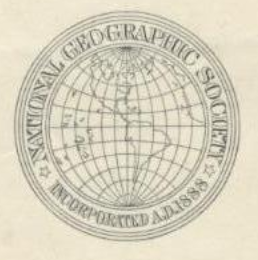
The National Geographic Society is a nonprofit organization founded on January 27, 1888 with a stated purpose to "increase and diffuse geographic knowledge." It operates internationally to support exploration, research, education, conservation and public storytelling about the natural world and human cultures. Through a combination of grants, field programs and media, the Society seeks to inspire broad public interest in geography, science and environmental stewardship. For general information, see the official site.
Image gallery
10 Images


Activities and publications
The Society supports scientific expeditions, funds researchers and offers fellowships and grants for projects in fields such as archaeology, ecology, climate science and cartography. It also reaches a large global audience through multiple media channels. Its flagship periodical, National Geographic magazine, is known for long-form journalism, photography and maps. The organization additionally publishes several other periodicals and educational materials; a selection of these appears via other official magazines and partner platforms.
- Print and digital magazines with photojournalism and in-depth reporting
- Documentary films and television programming
- Books, maps and educational curricula for schools
- Online features, interactive projects and multimedia storytelling
History and development
Founded by a group of scholars and explorers in the late 19th century, the Society emerged at a time of intense interest in mapping, natural history and world cultures. Over more than a century it expanded from scholarly meetings and a journal into a major public-facing institution. Photography, improved printing, broadcasting and later digital distribution each broadened the Society’s reach, enabling it to popularize scientific research and geographic literacy for general audiences.
Impact, education and conservation
National Geographic has funded thousands of research projects around the world, supported conservation initiatives and developed programs to improve geographic education in schools. Its educational resources target teachers and students, aiming to reduce geographic illiteracy by combining curriculum materials with storytelling and visual learning. Conservation grants often focus on habitat protection, species research and community-based stewardship.
Notable distinctions and approach
The Society is widely recognized for high standards in photography and cartography, and for fostering interdisciplinary collaboration among scientists, educators and communicators. While it is best known to the public for its media output, its core activity remains grantmaking and program support for exploration and research. Its model pairs funding and fieldwork with public engagement to translate technical findings into accessible stories that connect people to places and issues around the globe.
Related articles
Author
AlegsaOnline.com National Geographic Society Leandro Alegsa
URL: https://en.alegsaonline.com/art/68608