
A Child's Garden of Verses
A Child's Garden of Verses is Robert Louis Stevenson's 1885 collection of poems about childhood imagination, play and solitude, notable for its simple language, musical rhythms and lasting influence on children's literature.
Overview
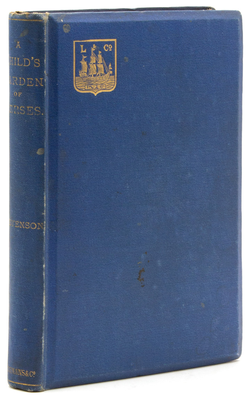
A Child's Garden of Verses is a collection of poems written by Robert Louis Stevenson and first published in 1885. The volume gathers short lyrical pieces that explore everyday experiences from a child's point of view: play, fear, wonder, and the inward life of imagination. Its tone moves between playful mischief and reflective tenderness, using language accessible to young readers while retaining poetic craft appreciated by adults.
Image gallery
4 Images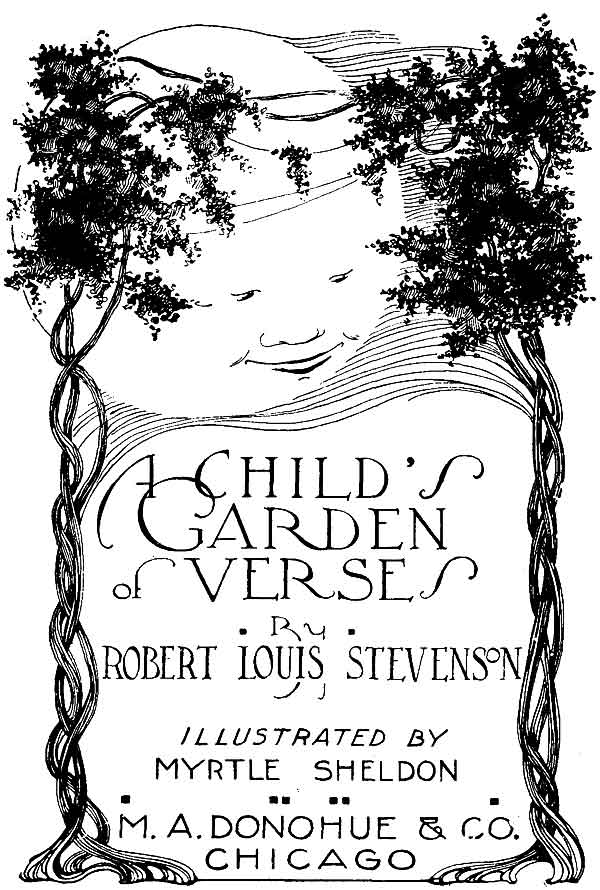

Form, themes and style
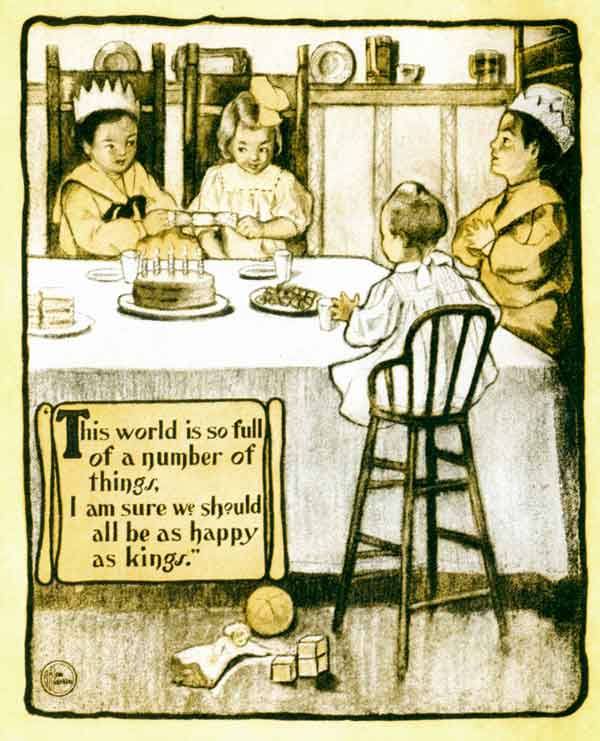
Many poems are brief and singable, relying on simple meter, internal rhyme and vivid sensory details. Stevenson's voice often adopts the first-person viewpoint of a child or a child's companion, which helps create intimacy and immediacy. Recurring themes include shadow and light, sleep and dreams, the pleasures of outdoor play, and the need for comfort during sickness or solitude.
Notable poems
- "My Shadow" — a playful meditation on a child's inseparable companion.
- "The Swing" — a short poem celebrating the motion and delight of swinging.
- "The Land of Counterpane" — written from the vantage of a sick child's bed, imagining a landscape formed by quilted patterns.
The collection includes many other pieces that became staples of children's poetry and have been reprinted and anthologized widely.
History and influence
Since its release in the late nineteenth century, the book has been praised for treating childhood as a serious imaginative realm rather than mere preparation for adulthood. It influenced later writers of children's verse and has been translated into numerous languages. Illustrators and musicians have adapted various poems, extending their reach beyond the printed page.
Legacy and distinctions
Often cited as a classic of children's literature, the collection is valued for its combination of simplicity and craft. While rooted in its Victorian context, its observations about play and childhood interiority remain broadly resonant, making it a persistent presence in schoolrooms and family bookshelves.
Tags
Related articles
Author
AlegsaOnline.com A Child's Garden of Verses Leandro Alegsa
URL: https://en.alegsaonline.com/art/15