
A Dog of Flanders
A Dog of Flanders (1872) is a sentimental novel by Marie Louise de la Ramée (Ouida) about a poor Flemish boy, his dog Patrasche, and the sacrifices that bind them; widely adapted in film and television.
Overview
A Dog of Flanders is a short novel first published in 1872 by the English writer Marie Louise de la Ramée, better known by her pen name Ouida. Set in the Flanders region of what is now Belgium, the story follows a poor orphaned boy and his devoted dog. The tale is characteristic of Victorian sentimental fiction: it emphasizes compassion, moral duty, social hardship and the power of art as consolation.
Image gallery
7 Images



Characters and plot
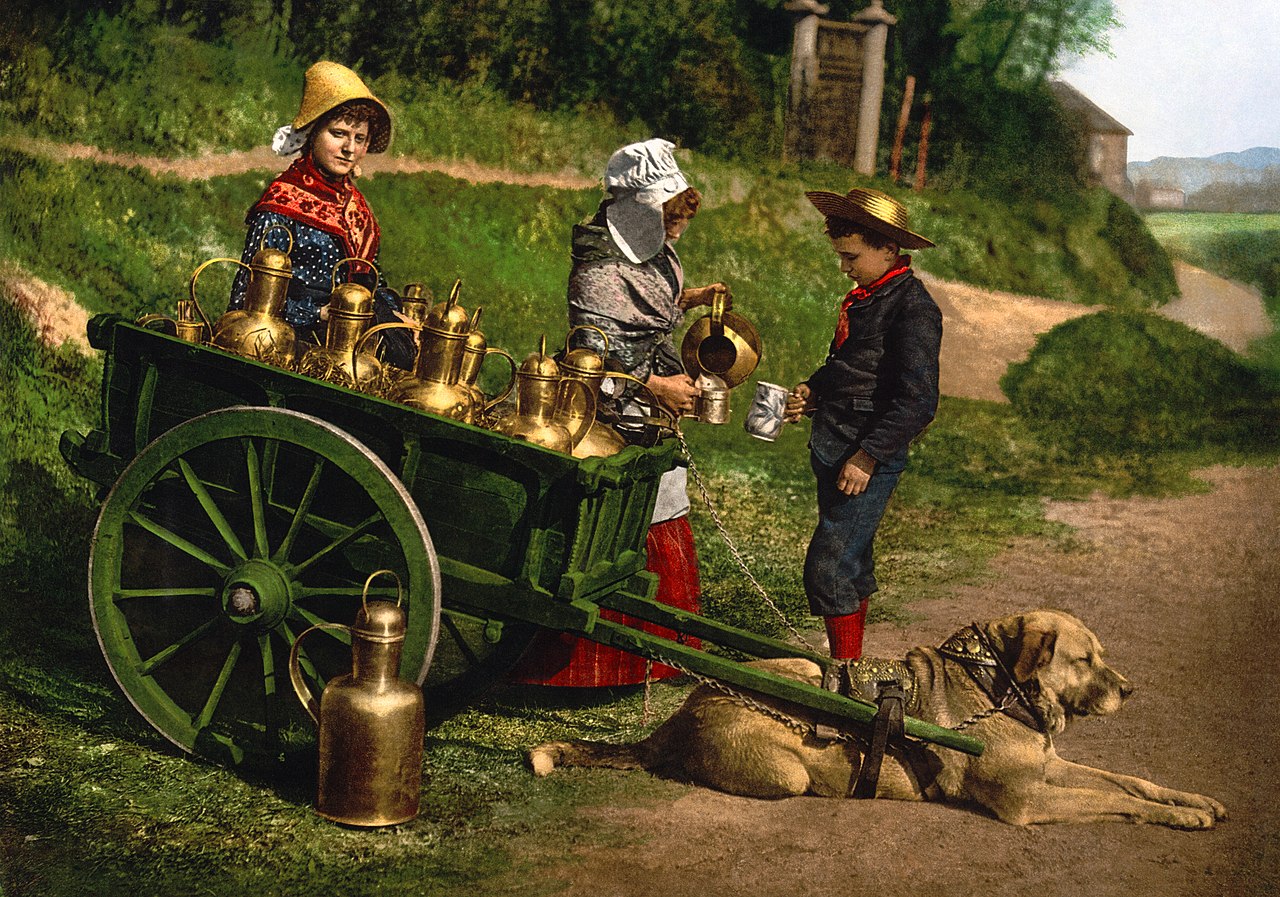
The principal figures are Nello, a working-class boy with artistic talent; his elderly grandfather, who cares for him; and Patrasche, the large, loyal dog who becomes Nello's companion. The narrative describes their daily struggles with poverty, prejudice and illness, Nello's admiration for the great Flemish painters, and the pair's efforts to survive. The story reaches an emotional climax that has been widely described as tragic and poignant, and it centers on themes of loyalty, dignity in adversity and the redemptive value of art.
Themes and style
Ouida's book blends social realism with sentimental moralizing. It draws attention to the plight of the poor in nineteenth-century towns while also treating art—particularly the work of the Flemish masters—as a symbol of spiritual hope and human aspiration. Language and incidents are rendered to elicit sympathy and to instruct readers in virtues such as kindness, humility and perseverance.
Adaptations and cultural impact
Though originally written in English, A Dog of Flanders achieved a particularly strong cultural afterlife outside Britain. The story has been adapted many times for stage, film and television in a variety of countries. Notable kinds of adaptations include:
- Silent and sound-era films produced in Europe and North America.
- Mid- and late-20th-century live-action versions in several languages.
- Animated adaptations and television series, including a widely known Japanese television adaptation produced in the 1970s that introduced the tale to new generations in East Asia.
These retellings often adjust plot details, character backgrounds and the ending to suit local tastes, sometimes softening or altering the original's tragic elements.
Reception and legacy
Critically, the novel is regarded as an example of Victorian sentimental literature rather than a work of social realism with documentary ambitions. Its popularity has endured because of its simple emotional core: loyalty between human and animal, the dignity of the poor, and an admiration for art. In places where the story became part of popular culture—especially in parts of Asia—it inspired tourism to sites associated with Flemish art and an enduring affection for the characters.
Today A Dog of Flanders is chiefly remembered for its emotional narrative and for the many adaptations that have kept the story in public view. It also serves as a window into nineteenth-century sensibilities about charity, childhood and the moral role of literature.
Tags
Related articles
Author
AlegsaOnline.com A Dog of Flanders Leandro Alegsa
URL: https://en.alegsaonline.com/art/34