
Nadroga-Navosa Province, Fiji: overview, geography, culture and attractions
Nadroga-Navosa is a province on Fiji’s largest island, Viti Levu. It includes Sigatoka town, the Mamanuca islands and Conway Reef, and is known for agriculture, tourism and the Sigatoka Sand Dunes national park.
Nadroga-Navosa is a coastal province on the southern and western side of Viti Levu, Fiji’s largest island. Administratively it forms part of Fiji’s Western Division and is centred on the town of Sigatoka, which lies at the mouth of the Sigatoka River and serves as the province’s commercial and transport hub. The province combines lowland river valleys, coastal plains and volcanic ridges, giving it a mix of fertile agricultural land and scenic coastline.
Image gallery
1 Image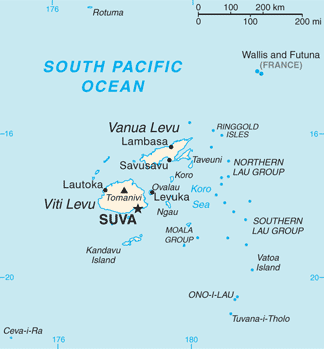
Geography and included islands
Beyond its mainland area, Nadroga-Navosa extends into offshore island groups and remote reefs. The Mamanuca Archipelago, a chain of popular resort islands west of Viti Levu, is administered from the province and attracts much of Fiji’s beach tourism. The provincial territory also includes the isolated Conway Reef (known locally by several names), a far-flung coral feature in Fiji’s maritime zone. For an overview of provincial boundaries and governance see Nadroga-Navosa province information.
History and archaeology
The region has a long human presence: archaeological work in the lower Sigatoka valley and the sand dune area has revealed prehistoric occupation, pottery fragments and shell middens that illustrate centuries of settlement and cultural change. These finds have made the area important to researchers studying Pacific prehistory and the movements of island peoples.
Economy, society and culture
Agriculture has long been central to the province, with sugar cane, subsistence root crops and commercial horticulture on the coastal plains and river flats. Fishing and marine resources support inland coastal communities, while the Mamanucas and coastal resorts generate tourist income through diving, surfing and hospitality services. Traditional chiefly structures and local festivals remain important to social life, and Sigatoka acts as a regional centre for markets, education and health services.
Conservation and attractions
One of Nadroga-Navosa’s best-known sites is the Sigatoka Sand Dunes, a protected area that became Fiji’s first national park in 1989; information about its status and visitor facilities is available from official sources such as national park information and cultural summaries like heritage overviews. The dunes preserve both natural dune ecosystems and a string of archaeological sites. Other attractions include river excursions, surf breaks near the Sigatoka mouth, island resorts in the Mamanucas and opportunities to explore traditional villages.
- Main town: Sigatoka — market and transport hub.
- Notable natural sites: Sigatoka Sand Dunes National Park.
- Island groups: Mamanuca Archipelago; remote Conway Reef.
- Main activities: agriculture, tourism, fishing, cultural heritage.
Related articles
Author
AlegsaOnline.com Nadroga-Navosa Province, Fiji: overview, geography, culture and attractions Leandro Alegsa
URL: https://en.alegsaonline.com/art/68074