
Nachos: origin, ingredients, variations, and cultural significance
Nachos are a popular Tex‑Mex snack of tortilla chips topped with melted cheese and a range of garnishes. This article covers ingredients, origin story, common variations, serving tips, and cultural role.
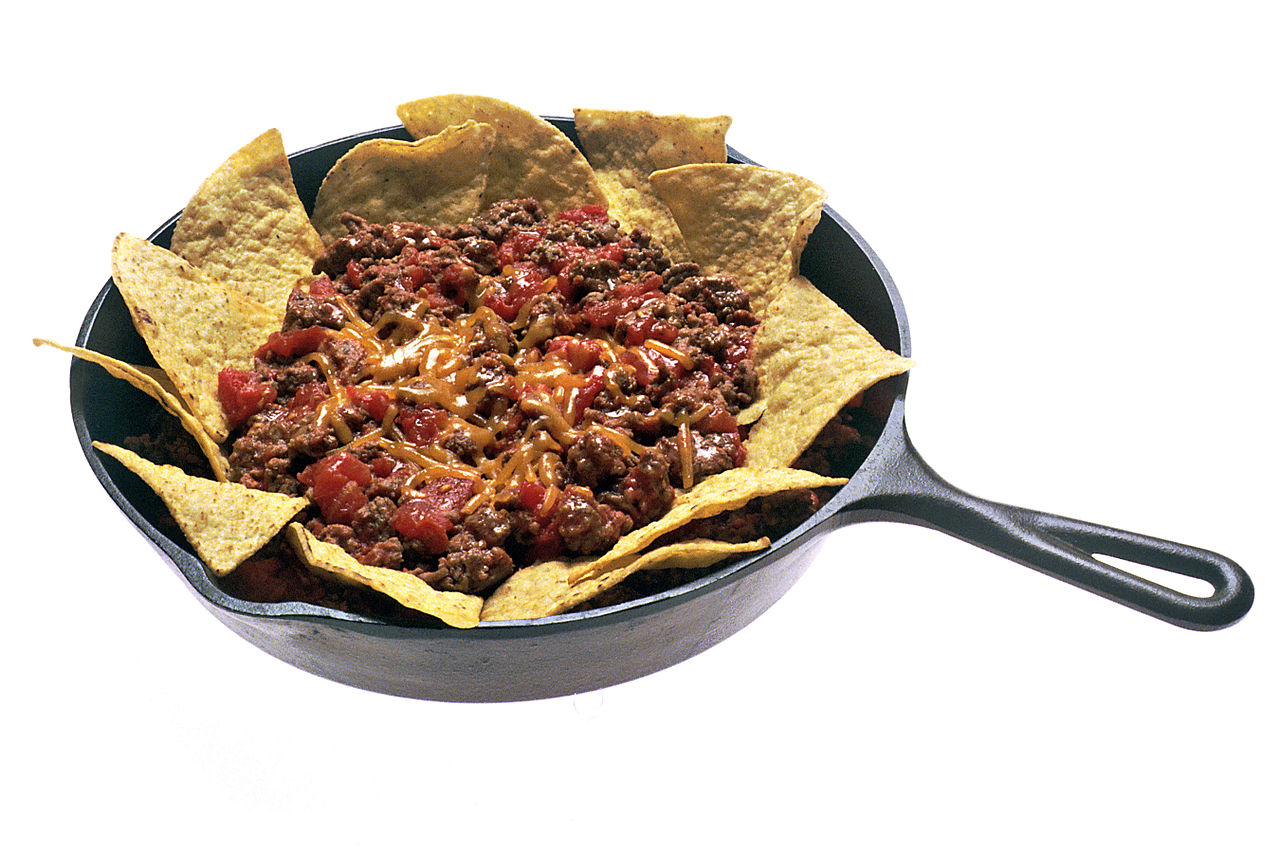
Nachos are a handheld snack or appetizer built from crisp corn tortilla chips layered with melted cheese and various toppings. Often served hot and shared from a platter, nachos range from a simple bowl of chips and cheese to elaborate, fully loaded plates that include beans, salsas, guacamole and cooked meats. In many places they have become an emblematic party or stadium food and a versatile base for both casual and more elaborate preparations. For a concise overview see snack culture and menus.
Image gallery
9 Images



Ingredients and basic preparation
The essential components are simple: sturdy corn chips that hold toppings, and a melted cheese or cheese sauce to bind the ingredients. Typical practice is to arrange chips in a single layer on a baking sheet or an oven-safe platter, scatter cheese broadly, then heat briefly so the cheese melts without making the chips soggy. Additional ingredients are added either before a final melt or after baking so they retain texture and brightness.
- Base: tortilla chips — usually fried or baked corn chips with enough thickness to support toppings.
- Cheese: melted cheese — cheddar, Monterey Jack, or processed cheese sauces are common choices.
- Spice & garnish: jalapeños, chopped tomatoes, onion, cilantro and lime.
- Sauces and sides: salsa, sour cream, and guacamole often accompany the dish.
- Protein options: meat such as ground beef, shredded chicken or pork, or plant-based alternatives.
Origin and name
The creation of nachos is commonly attributed to Ignacio "Nacho" Anaya, who is said to have assembled the first plate for guests at a small restaurant near the Mexico–Texas border in the mid‑20th century. According to popular accounts, he nicknamed the improvised dish "Nacho's Special," a name that eventually shortened to simply "nachos." The story captures how the dish began as a spontaneous bar snack and then spread through restaurants, catering, and home kitchens.
Variations and cultural presence
Nachos have evolved widely. Simple two‑ingredient nachos remain common, but there are also loaded or "supreme" versions with beans, pico de gallo, crema, avocado, and seasoned meats. Regional styles include Tex‑Mex adaptations that emphasize chili and grated cheeses, and modern takes that use alternatives like vegan cheeses, pulled brisket, or seafood toppings. Their portability and shareable format make them popular at parties, sports venues, and casual dining establishments worldwide.
Serving tips, nutrition, and distinctions
To keep chips crisp, toast or bake chips briefly before adding wet toppings, and add salsas and guacamole as finishing touches. Nutritional content varies greatly with portion and toppings: a plain cheese-and-chip portion is relatively simple, while loaded platters can be high in calories, fat, and sodium. Home cooks can lighten the dish by using baked chips, lean proteins, extra vegetables, and moderate amounts of cheese. Unlike nacho chips simply topped with dip, loaded nachos are intended to be eaten together as a composed plate.
Notable facts: nachos demonstrate how a modest, improvised snack became part of global food culture, adaptable to many dietary preferences and culinary trends. For recipes, histories, and modern adaptations consult general guides on snack recipes and regional Tex‑Mex cuisine resources (chips, cheese, jalapeños, sauces, meat choices).
Related articles
Author
AlegsaOnline.com Nachos: origin, ingredients, variations, and cultural significance Leandro Alegsa
URL: https://en.alegsaonline.com/art/68056