
Napkin (table napkin or serviette)
A napkin is a cloth or paper square used at the table to protect clothing and clean hands and mouth. Covers types, history, etiquette, uses, and environmental considerations.
Overview
A napkin is a small piece of fabric or paper used at meals to wipe the mouth, fingers, or to protect clothing from spills. Known in some regions as a serviette and sometimes called a face or hand towel in informal contexts, the napkin is folded or arranged beside a place setting and is an enduring element of dining customs. Different cultures and dining occasions use napkins in varied ways, from simple utility at casual meals to elaborate folded forms at formal banquets. face | towel
Image gallery
3 Images

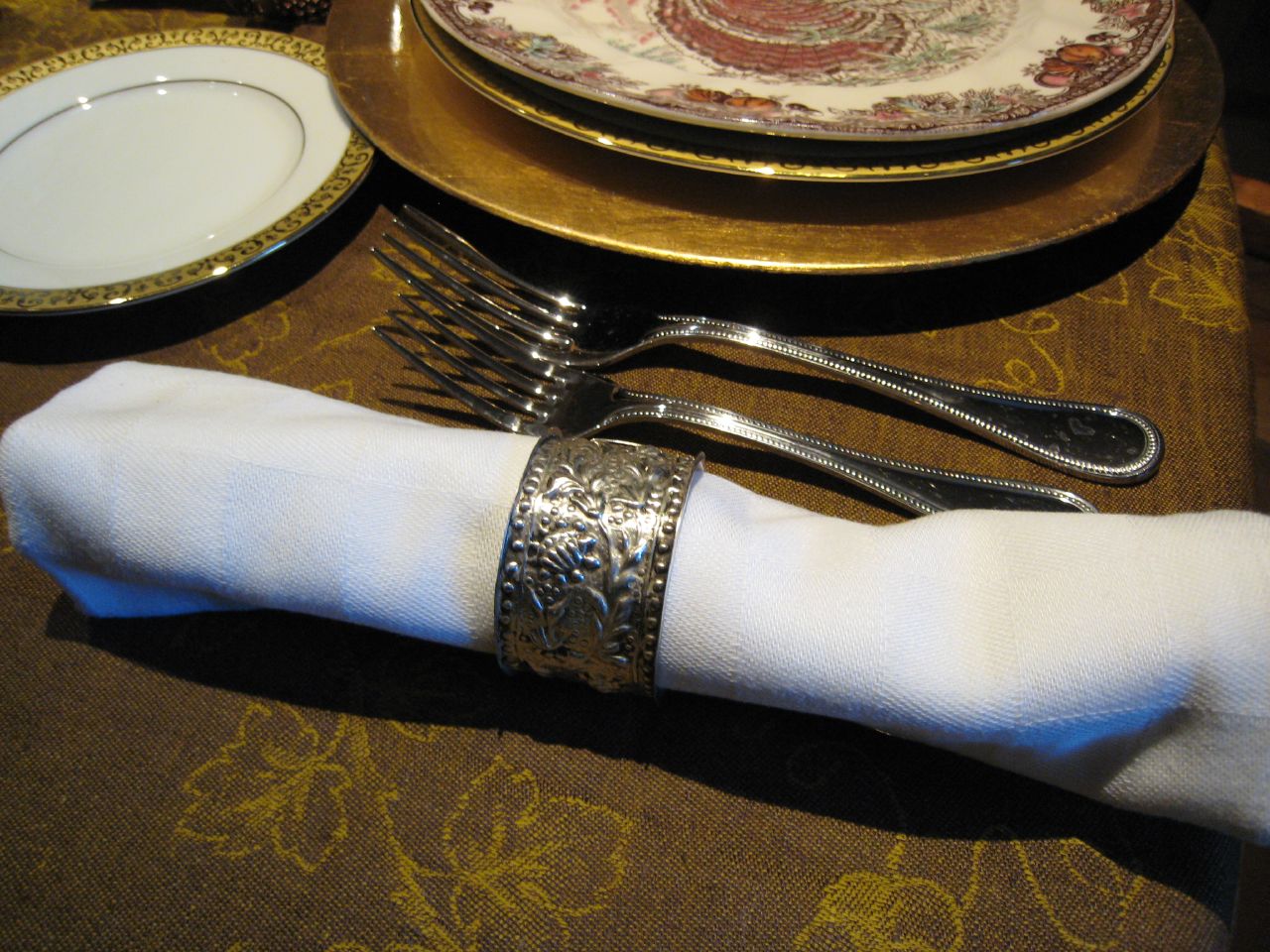
Types and characteristics
Napkins are most often rectangular or square. They appear in two basic categories: cloth napkins made from linen, cotton, or blends, and disposable paper napkins. Cloth varieties are thicker, reusable, and commonly laundered; paper napkins range from thin single-ply tissues to heavier cocktail and dinner weights used for catering and events. Common features include hems, decorative edging, printed patterns, and sometimes a crease or fold to indicate formal placement. Rectangle
History and development
The use of cloths at the table dates back to antiquity, with historical accounts of people bringing small cloths to wipe hands or cover food. Over centuries the napkin evolved alongside table manners and the availability of textile production. The widespread use of disposable paper napkins grew with industrial paper manufacturing and social changes in the 19th and 20th centuries, making single-use options common for casual dining and public events.
Uses, etiquette, and examples
Napkins serve several practical purposes: absorbing spills, protecting garments, and maintaining hygiene. General etiquette in many Western traditions prescribes placing the napkin on the lap at the start of a meal and using it to blot the mouth rather than rub. At formal services napkins may be folded decoratively or placed to the left of the forks; in informal settings they are often kept to the right or on a lap. Restaurants and hosts choose napkin type based on formality, cost, and environmental priorities. table
Variations, sustainability, and notable facts
- Cloth napkins are considered more sustainable when reused many times, but laundering energy and water use must be considered.
- Paper napkins offer convenience and hygiene, especially in high-volume or outdoor dining.
- Special forms include serviettes in some English-speaking countries, cocktail napkins for drinks, and oversized napkins for infants or messy tasks.
As both a practical accessory and a sign of hospitality, napkins reflect cultural preferences in presentation and cleanliness. For further reading on historical tableware and modern dining practices, see related resources. more
Related articles
Author
AlegsaOnline.com Napkin (table napkin or serviette) Leandro Alegsa
URL: https://en.alegsaonline.com/art/68331