
Jalapeño: description, origin, culinary uses and distinctions
A medium-hot Mexican chili pepper (Capsicum) commonly used fresh, pickled or smoked (chipotle); notable for green-to-red ripening, moderate heat (thousands of Scoville units) and versatile culinary use.
The jalapeño is a medium-sized chili pepper widely associated with Mexican cuisine and common worldwide. It is a cultivar of the genus Capsicum and is often described simply as a Mexican pepper (see). Pronunciations in English vary (commonly hala-PAYN-nyo or hala-PEE-nyo) and the fruit is valued for a bright, vegetal flavor combined with moderate heat.
Image gallery
9 Images
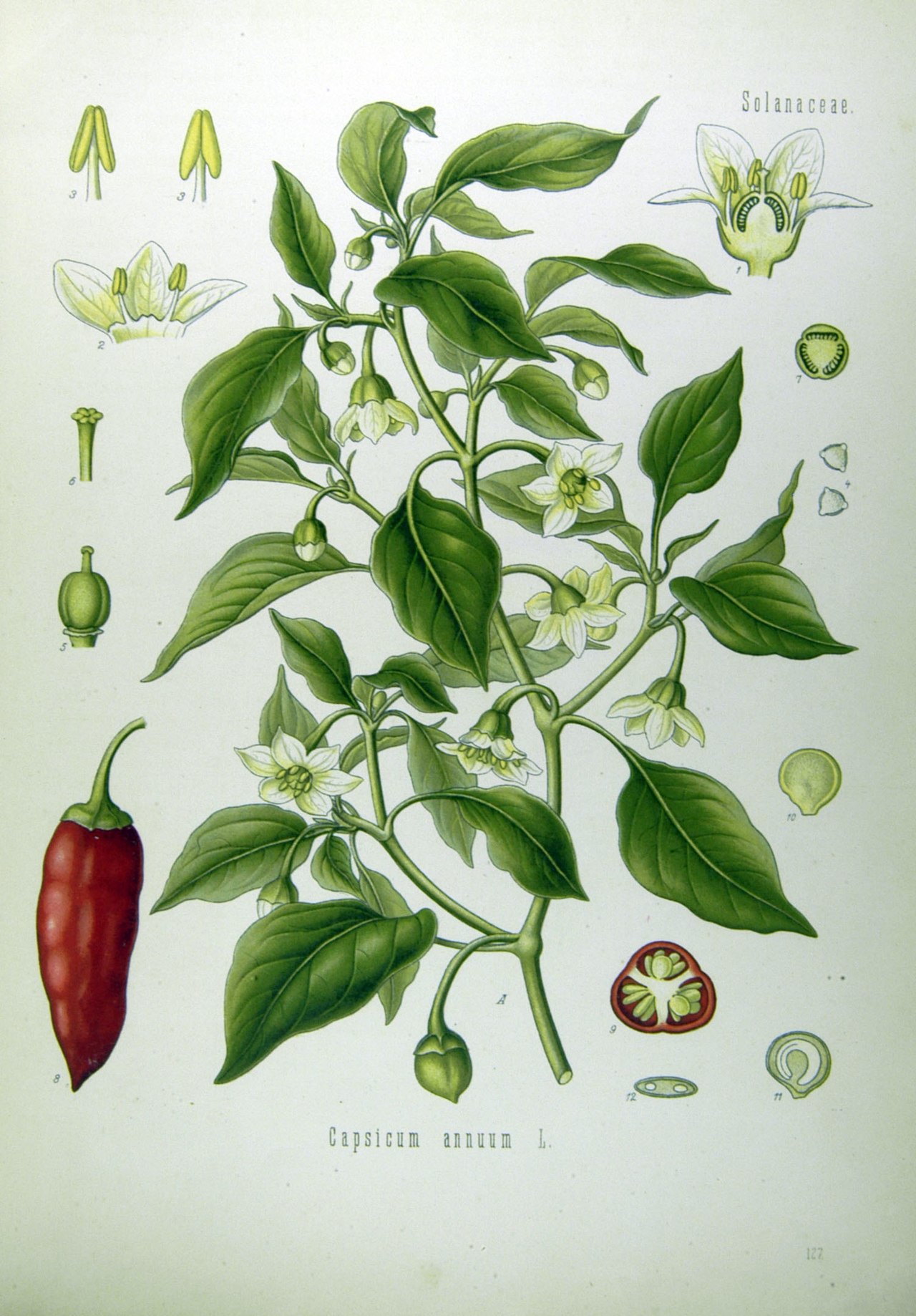


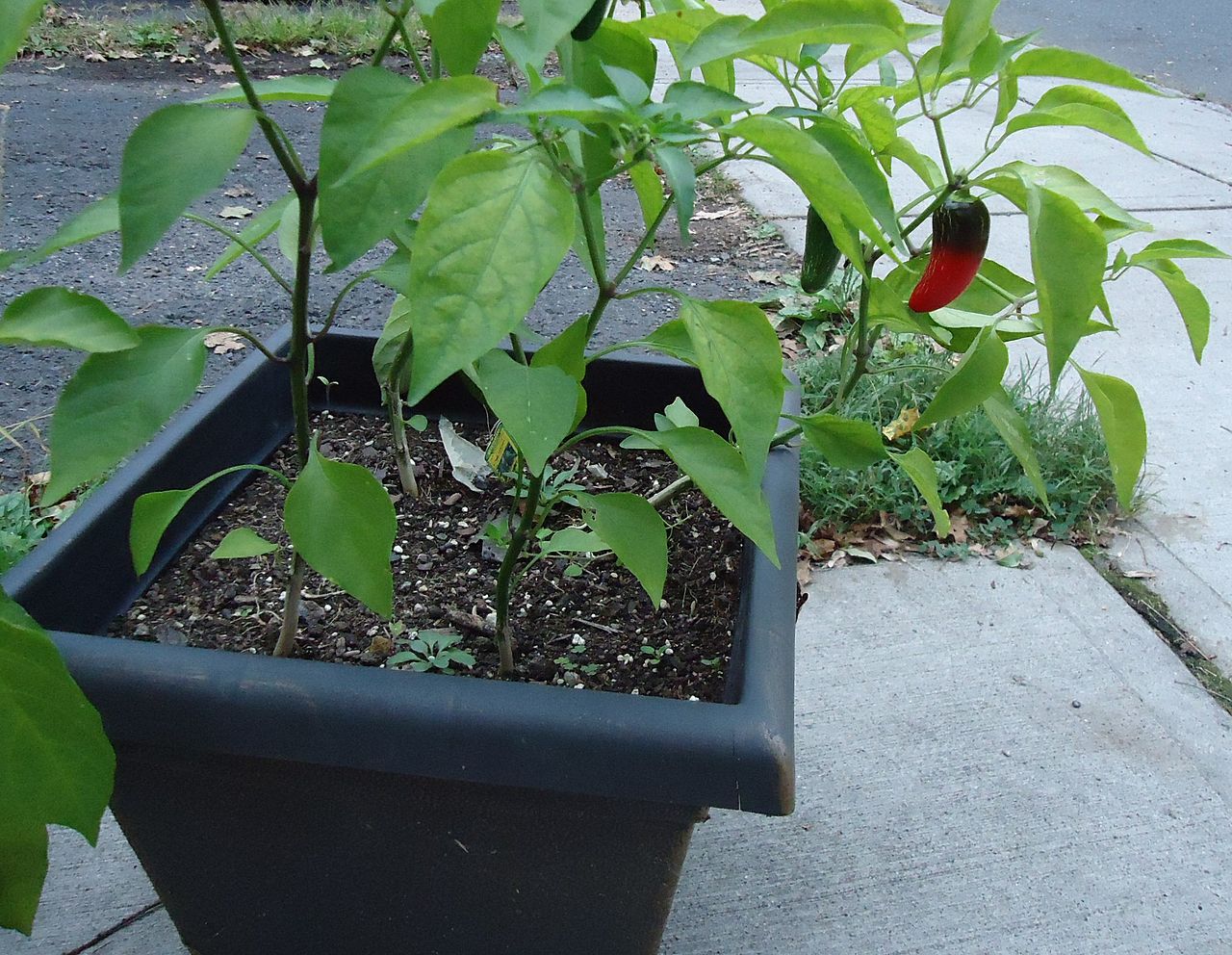
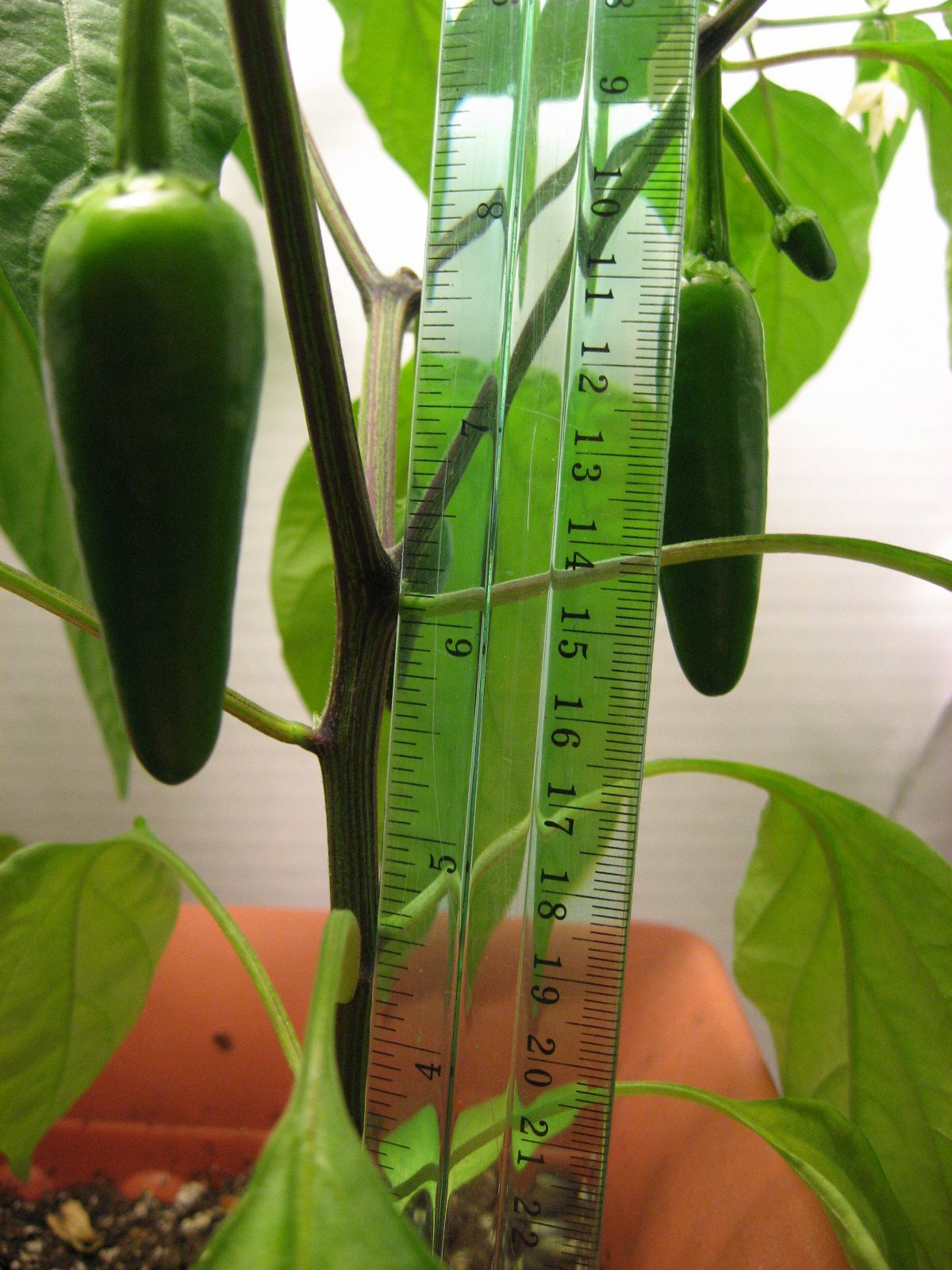

Characteristics
Jalapeños are typically conical to cylindrical, firm and usually 4–10 cm long; they are most often harvested green but will ripen to red. Their pungency comes from capsaicinoids concentrated in the inner ribs and placental tissue. Typical heat ranges from a few thousand Scoville heat units, making them hotter than bell peppers but milder than many other chiles.
History and classification
The name derives from the city of Xalapa (often written Jalapa) in Mexico, reflecting a regional association. These peppers have been grown in Mexico for centuries and spread internationally after the Columbian exchange. Botanically they belong to the broader group of chili peppers and to domesticated varieties within Capsicum.
Uses and culinary preparation
Jalapeños are highly versatile. They are used fresh in salsas and salads, stuffed (for example, jalapeño poppers), pickled, or cooked into sauces, soups and stews. When smoked and dried they become chipotles, which contribute a smoky, slightly sweet and earthy note to dishes. Common preservation methods include pickling, canning, drying and freezing.
Varieties, nutrition and cultivation
- Varieties: Numerous cultivars exist, differing in size, yield, flesh thickness and heat; some are selected for milder heat or earlier harvest.
- Nutrition: Like many peppers, jalapeños supply vitamin C, provitamin A compounds and small amounts of fiber and minerals.
- Growing: They prefer warm seasons, full sun, well-drained soil and consistent moisture; in cooler climates they are usually grown as annuals or started indoors.
Handling, safety and distinctions
Capsaicin can irritate skin and mucous membranes, so avoid contact with eyes and consider wearing gloves when handling many peppers. Compared with serranos, jalapeños are generally milder; compared with poblanos, they are usually smaller and hotter. The smoked-dried form, chipotle, is especially valued for its smoky depth and is commonly used in marinades, sauces and stews.
Because of their moderate heat and wide availability, jalapeños are a common ingredient in both traditional Mexican dishes and global cuisines, offering a balance of flavor, texture and heat that suits fresh and cooked applications alike.
Related articles
Author
AlegsaOnline.com Jalapeño: description, origin, culinary uses and distinctions Leandro Alegsa
URL: https://en.alegsaonline.com/art/49139