
Nattō: Japan's traditional fermented soybean dish
Nattō is a Japanese food of fermented soybeans noted for its strong aroma, sticky texture, regional popularity, culinary uses, and nutritional profile including vitamin K2.
Overview
Nattō (Japanese: なっとう in hiragana, written 納豆 in kanji) is a traditional food produced by fermenting soybeans. It is most widely recognized for a pungent, sometimes described as musty, odor and a distinctively viscous, stringy consistency that forms long, mucilaginous strands when stirred. These sensory features make nattō one of the more polarizing items in Japanese cuisine: many people enjoy its flavor and texture while others find it challenging.
Image gallery
10 Images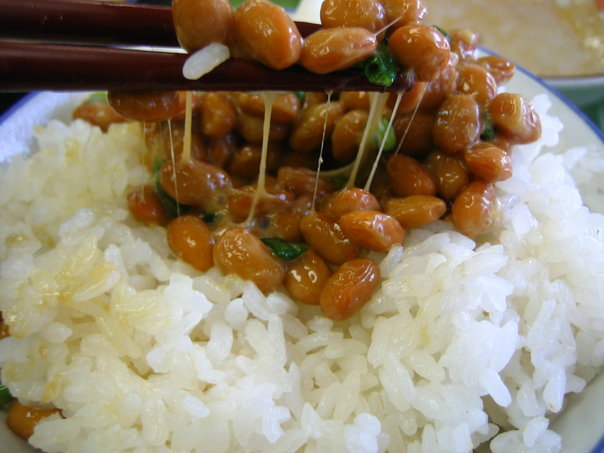






Production and varieties
Nattō is made by inoculating cooked soybeans with bacteria (commonly strains of Bacillus subtilis) and allowing controlled fermentation. The process produces enzymes and compounds that change the beans’ texture and aroma. There are several common forms on the market: whole-bean (stringy, often called "itohiki"), chopped or crushed bean types (hikiwari) that are milder and easier to mix, and vacuum-packed or refrigerated commercial preparations. Artisanal and home-produced nattō can vary by bean size, fermentation time, and post-fermentation handling, which influence both taste and stickiness.
Culinary uses and serving
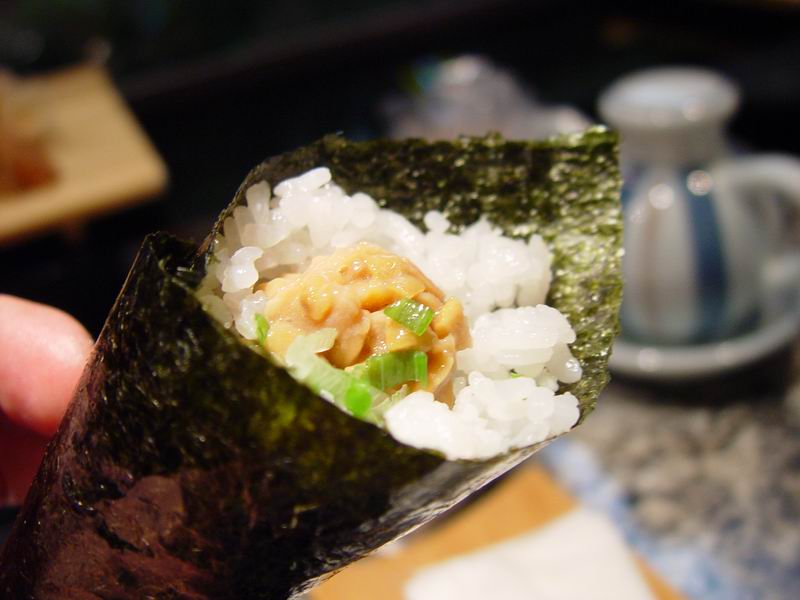
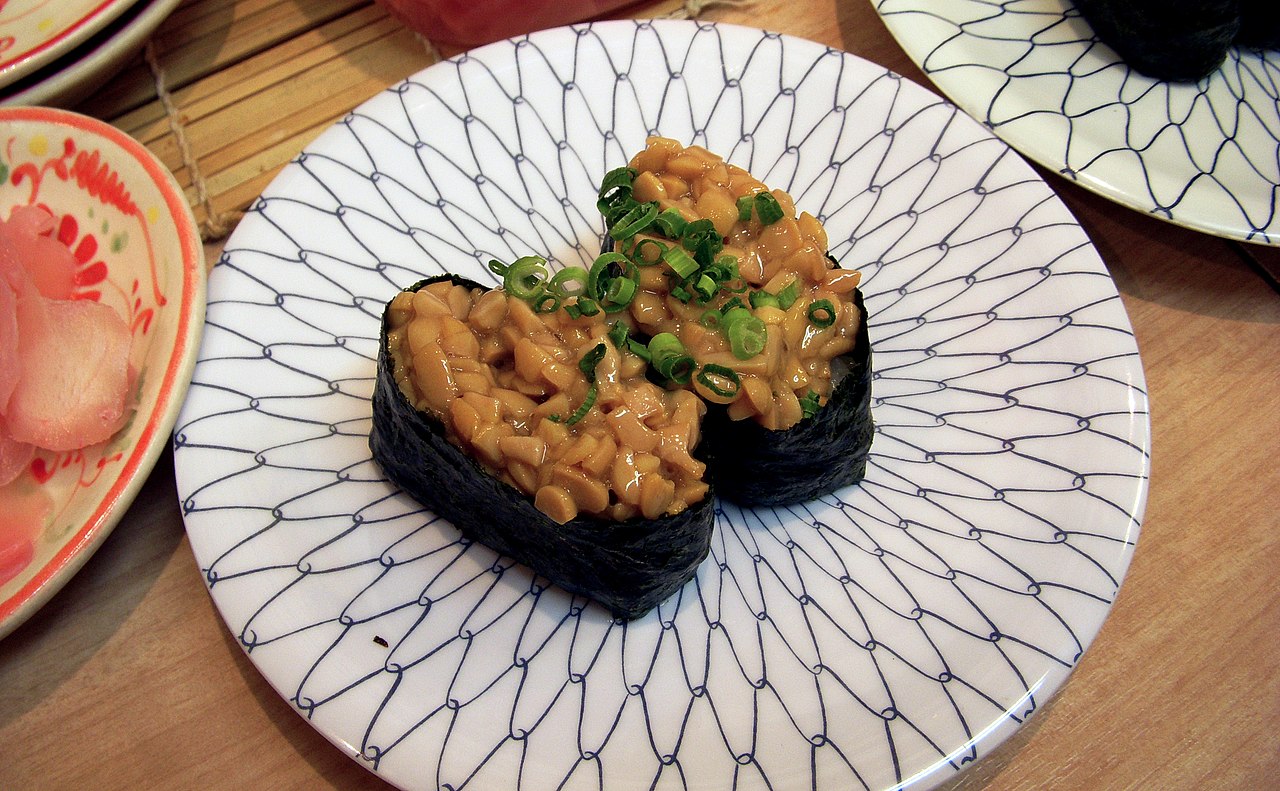
Nattō is traditionally served over hot steamed rice and mixed with condiments to balance its flavor: common additions include soy sauce or a soy-based sauce, mustard, and chopped green onion. Typical accompaniments range from raw egg and pickles to inclusion in rolled sushi (nattō maki), miso soup, or as a component of breakfast bowls. Because of its strong character, nattō is often combined with other ingredients to mellow the aroma and enhance palatability.
Nutrition, health, and cultural notes
Nattō is valued for its nutritional profile: it is high in plant protein, certain B vitamins, fiber, and particularly noted as a rich source of vitamin K2 (menaquinones) and probiotic bacteria associated with fermented foods. These components have attracted interest for potential benefits to bone and cardiovascular health, though dietary claims should be considered in context and balanced by scientific evidence. Popularity varies within Japan; for example, nattō is widely eaten in eastern regions but traditionally less favored in parts of the Kansai area.
Distinctions and notable facts
- Types: whole-bean versus hikiwari (chopped) varieties offer different textures.
- Preparation: fresh, refrigerated, and dried preparations affect convenience and flavor.
- Flavor modulation: many people add seasonings or mix with other foods to reduce pungency.
- Context: nattō occupies a unique place in Japanese home cooking and regional food identity.
For further reading on language and cultural contexts see references to the Japanese term and script (word, hiragana, kanji), and general cultural overviews of Japan and its food. For technical details about fermentation and ingredients consult sources on microbial fermentation, soy soybeans as an ingredient, and culinary pairing suggestions (seasonings, rice).
Related articles
Author
AlegsaOnline.com Nattō: Japan's traditional fermented soybean dish Leandro Alegsa
URL: https://en.alegsaonline.com/art/68754