
Myocarditis (inflammatory cardiomyopathy): causes, symptoms, diagnosis, treatment
Myocarditis is inflammation of the heart muscle from infection, immune causes, or toxins. Symptoms vary from mild chest pain to heart failure or sudden cardiac arrest; diagnosis and treatment depend on severity and cause.
Myocarditis is an inflammatory condition affecting the heart muscle. It is sometimes called inflammatory cardiomyopathy when inflammation leads to weakened heart function. The disorder may result from direct infection, an immune reaction, or exposure to toxins and drugs. Clinical courses range from brief, self-limited illness to progressive heart failure or life‑threatening arrhythmias.
Image gallery
5 Images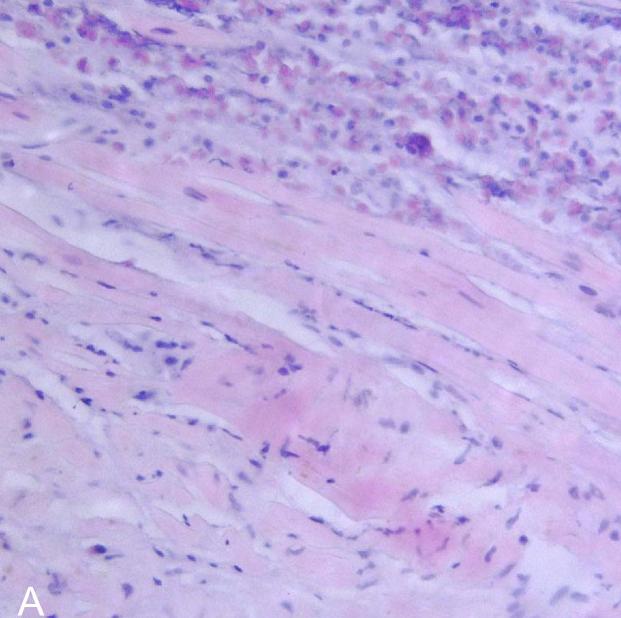


Common symptoms and clinical presentation
People with myocarditis can experience a variety of signs that overlap with other cardiac conditions. Typical symptoms include chest pain, shortness of breath on exertion or at rest, fatigue, rapid or irregular heartbeat (palpitations), lightheadedness, and sometimes fainting. In more severe cases symptoms of reduced cardiac output or fluid retention appear and may signal developing heart failure.
Causes and underlying mechanisms
Viral infections are among the most frequent triggers, but bacteria, parasites, and less commonly fungi can also be responsible. Immune‑mediated reactions—either as part of a systemic autoimmune disease or as an abnormal response after an infection—may damage the myocardium. Certain medications, illicit drugs, and toxins can provoke myocardial inflammation. The fundamental process involves immune cells and inflammatory mediators injuring heart muscle cells, which can impair contraction and electrical stability.
Diagnosis
Diagnosing myocarditis relies on combining history, physical exam, laboratory tests, and imaging. Blood tests may show markers of heart injury and inflammation. Electrocardiography often demonstrates nonspecific changes or arrhythmias. Imaging such as echocardiography assesses heart function, while cardiac magnetic resonance imaging (MRI) can detect inflammation and scarring. In selected cases an endomyocardial biopsy provides definitive evidence of myocardial inflammation and the likely cause.
Treatment and prognosis
Management depends on severity and cause. Mild forms may require only supportive care and monitoring, while moderate to severe disease needs treatment of heart failure, control of arrhythmias, and sometimes immunosuppressive therapy when an autoimmune mechanism is identified. In critical cases mechanical circulatory support or heart transplantation are options. Many people recover fully, but some develop chronic cardiomyopathy with persistent reduced function.
Important distinctions, complications and prevention
Myocarditis differs from pericarditis (inflammation confined to the sac around the heart) though both can coexist. Complications include dilated cardiomyopathy, progressive heart failure, and sudden cardiac arrest. Athletes and people with suspected myocarditis are often advised to avoid intense exercise until recovery. Preventive measures focus on reducing infections (for example vaccination where appropriate), careful use of cardiotoxic drugs, and prompt evaluation of concerning symptoms.
For more information on specific aspects of myocarditis see inflammation, infection, and the anatomy of the heart muscle. For downstream effects consult resources about heart failure, cardiomyopathy and the risk of cardiac arrest.
Related articles
Author
AlegsaOnline.com Myocarditis (inflammatory cardiomyopathy): causes, symptoms, diagnosis, treatment Leandro Alegsa
URL: https://en.alegsaonline.com/art/67981
Sources
- ncbi.nlm.nih.gov : "Myocarditis"
- doi.org : 10.1056/nejmra0800028
- pubmed.ncbi.nlm.nih.gov : 19357408