
Myopia (Near-sightedness): Causes, Symptoms, Treatment, and Prevention
Myopia (near-sightedness) is a common refractive condition causing blurry distance vision. This article covers causes, signs, diagnosis, treatment options, prevention strategies, complications, and when to seek care.
Overview
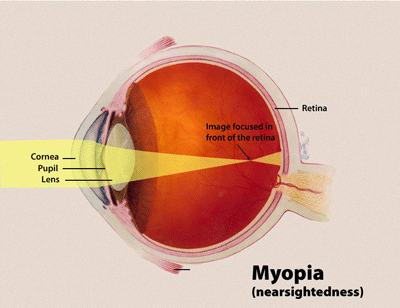
Myopia, also called near-sightedness or short-sightedness, is a refractive condition in which distant objects appear blurred while near objects are seen clearly. The blur occurs because the eye's optical system focuses incoming light in front of the retina rather than on it. Myopia varies in severity and course: it often begins in childhood and may progress through adolescence, though onset and rate of progression can differ among individuals.
Image gallery
6 Images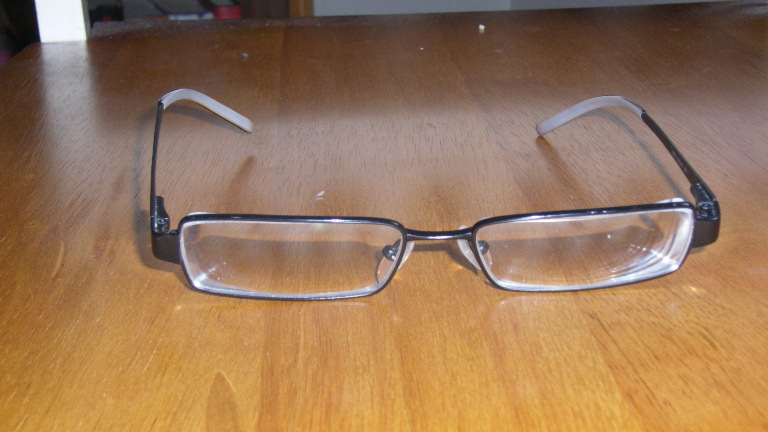



Causes and anatomical features
The main anatomical causes are axial elongation of the eyeball (axial myopia) or excessive curvature of the cornea and lens relative to eye length. These changes alter the eye's focusing power so images of distant objects form before the retinal surface. Genetics plays a strong role, and environmental influences such as prolonged near work and reduced time outdoors are associated with higher risk of developing myopia. For general information about how the eye focuses light see eye focusing, and for basic anatomy see the eye. The retinal surface where a clear image should form is described at retina.
Signs, symptoms, and diagnosis
Typical symptoms include difficulty reading distant signs, needing to sit near the front in theaters or classrooms, and frequent squinting to see distant objects. People with myopia may complain of eyestrain or headaches from prolonged visual effort. A sudden change in refractive error in an adult can prompt evaluation for systemic causes such as changes in blood sugar associated with diabetes; see guidance at systemic links. Diagnosis is made by an eye care professional using visual acuity tests and objective and subjective refraction measurements.
Management and treatment
Most cases are readily corrected to provide clear vision. Common options include:
- Glasses: Eyeglasses are the simplest and safest method of correction for all ages.
- Contact lenses: Soft or rigid gas-permeable lenses can provide clear vision; correct fitting and care are important (contact lenses).
- Refractive surgery: Procedures such as LASIK or PRK reshape the cornea to reduce or eliminate the need for corrective lenses (surgical treatments).
For children with progressive myopia, clinicians may offer low-dose atropine eye drops, specialty contact lenses, or orthokeratology (overnight rigid lenses) to slow progression. The best choice depends on age, degree of myopia, eye health, and patient preferences.
Prevention and control
Population studies indicate that increased time spent outdoors in childhood is associated with lower risk of developing myopia, possibly related to light exposure and visual activities at distance. Regular breaks from prolonged near work, balanced visual habits, and routine eye examinations help detect myopia early and allow timely management.
Complications and long-term monitoring
Most people with mild or moderate myopia have good outcomes with correction. High myopia, however, increases the lifetime risk of complications such as retinal detachment, myopic maculopathy, glaucoma, and cataract. People with high or progressive myopia require periodic monitoring by an eye-care professional to detect and manage complications early.
Everyday impact and special considerations
Uncorrected myopia can affect learning, driving, work, and quality of life. Simple measures such as wearing appropriate correction and following advice for visual hygiene reduce these impacts. An everyday example of struggling with distance vision is squinting while watching television or trying to read distant displays (everyday example).
When to seek care
Seek an eye examination for persistent difficulty seeing distant objects, sudden vision changes, double vision, or flashes and floaters in the visual field. Unexpected rapid onset of myopia in an adult should prompt medical review, since metabolic changes such as those seen with diabetes can affect focusing (diabetes link). For practical questions about diagnosis and follow-up, consult a qualified eye-care provider and trusted professional resources (focus, eye, retina, contact options, surgical options).
Further reading
Reliable summaries and clinical guidelines are available from professional eye-care organizations and public health bodies; use the links above to start with reputable sources. Early detection, appropriate correction, and individualized management can maintain vision and reduce the risk of long-term complications.
Related articles
Author
AlegsaOnline.com Myopia (Near-sightedness): Causes, Symptoms, Treatment, and Prevention Leandro Alegsa
URL: https://en.alegsaonline.com/art/67987