
Nasopharyngeal carcinoma
Nasopharyngeal carcinoma is a malignancy of the nasopharynx with distinct epidemiology and biology; linked to Epstein–Barr virus, dietary and genetic factors, and typically managed by radiotherapy and chemotherapy.
Nasopharyngeal carcinoma (NPC) is a malignant tumor that arises in the nasopharynx, the upper part of the throat behind the nose. It is biologically and clinically distinct from most other head and neck cancers because of its typical site of origin, histological varieties and strong associations with specific environmental and infectious factors. The most frequent location within the nasopharynx is the postero‑lateral recess known as the fossa of Rosenmüller, where many NPCs first develop. For further context on head and neck cancers in general, consult related resources.
Image gallery
6 Images


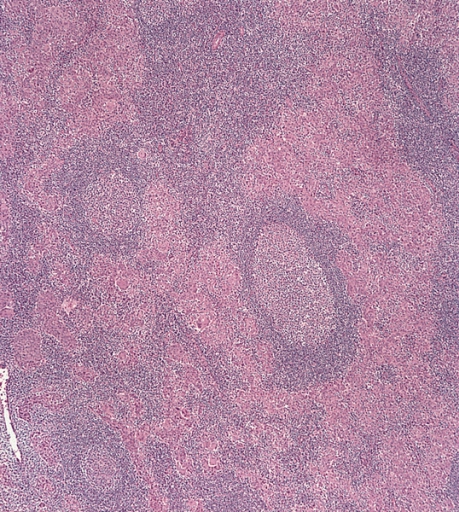
Pathology and types
NPC comprises several histological subtypes. At one end are keratinizing squamous cell carcinomas and at the other are non‑keratinizing, often poorly differentiated or undifferentiated carcinomas. The non‑keratinizing/undifferentiated form is particularly common in endemic regions and tends to be strongly linked to Epstein–Barr virus (EBV) infection. The term "squamous cell" and related classifications are discussed in specialist pathology overviews: squamous cell carcinoma information.
Causes and risk factors
NPC is a multifactorial disease. Several interacting contributors are recognized:
- Viral: Epstein–Barr virus plays a central role in the pathogenesis of many NPCs; EBV markers are used in research and clinical practice to help detect and monitor the disease. See virology resources at viral associations.
- Dietary: Traditional diets that include salted fish and other preserved foods containing nitrosamines have been implicated in higher NPC incidence in some populations. Relevant dietary studies are summarized at dietary risk.
- Genetic: Family clustering and population studies indicate inherited susceptibility factors contribute to risk; genetic predisposition summaries are available at genetic factors.
- Geography and demographics: NPC shows marked geographic variation, being far more common in parts of southern China and Southeast Asia and in certain areas of North Africa; regional epidemiology is covered at East Asian incidence and African incidence.
Symptoms, detection and staging
Early signs of NPC are often non‑specific and may include a blocked nose, blood‑stained nasal discharge, tinnitus or hearing loss from eustachian tube obstruction, and a painless neck lump from lymph node spread. Because of its deep location, lesions may be overlooked until the disease has progressed. Diagnosis typically requires nasoendoscopy and biopsy; imaging and EBV‑related blood tests can assist in staging and monitoring. General information about presentation and epidemiology is available at epidemiology and presentation.
Treatment and prognosis
Radiotherapy is the cornerstone of treatment for localized NPC because the nasopharynx is difficult to resect surgically. Concurrent chemotherapy is standard for locally advanced disease, and systemic therapy may be used for metastatic disease. Treatment choice depends on stage, histology and patient factors. Outcomes vary by stage at diagnosis; early disease is often curable while advanced disease requires multidisciplinary management. Practical guidance and treatment pathways can be explored at clinical management.
Distinctive features and public health
NPC is notable for its strong link to EBV, its unusual geographic distribution and the role of dietary and hereditary cofactors. In endemic areas, EBV DNA testing and targeted screening programs have been studied to detect tumors earlier. Awareness of NPC's distinctive natural history helps differentiate it from other head and neck malignancies and guides both clinical practice and research priorities. For additional reading and resources, see specialist summaries at head and neck oncology and pathology reviews at tumor classification.
Note: This article provides a concise overview. Individual diagnosis, staging and treatment decisions should be made by medical professionals with access to full clinical information.
Related articles
Author
AlegsaOnline.com Nasopharyngeal carcinoma Leandro Alegsa
URL: https://en.alegsaonline.com/art/68450