
1968: A Pivotal Year of Global Upheaval, Culture and Spaceflight
1968 was a leap year marked by major political upheavals, protests, assassinations, cultural change and a key human spaceflight milestone, shaping politics and society for decades.
1968 (MCMLXVIII) was a leap year that began on a Monday in the Gregorian calendar. It is conventionally described as the 1968th year of the Common Era and Anno Domini counts, the 968th year of the 2nd millennium, the 68th year of the 20th century and the ninth year of the 1960s decade. Beyond this calendrical framing, 1968 is widely remembered for a concentration of events that influenced politics, society, culture and technology internationally.
Image gallery
1 Image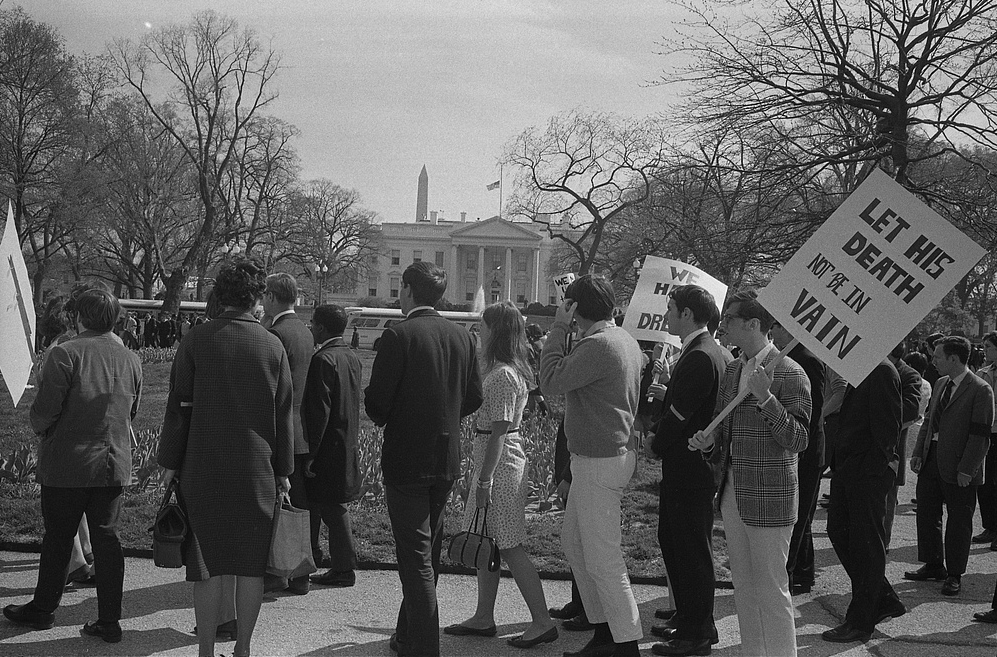
Overview
Scholars and commentators often treat 1968 as a turning point of the late twentieth century. Political crises, widespread protest movements, and visible cultural shifts converged with scientific achievements. Movements for civil rights and political reform intersected with opposition to military conflict, decolonization pressures and a rising youth counterculture. The year's crises and expressions were global in scale and resonated across regions and generations.
Major political and social events
- High-profile political assassinations shocked many countries and intensified debates about violence, social justice and public order.
- The war in Southeast Asia generated large protest movements and a reassessment of military and diplomatic policies in several countries.
- In Europe, attempts at political liberalization met with forceful responses from dominant powers, underscoring Cold War divisions.
- Mass demonstrations by students, workers and activists erupted in numerous cities, most prominently in a major wave of protests in France that challenged established institutions.
- Decolonization and national movements in Africa, Asia and elsewhere continued to reshape global politics and alignments.
Science, exploration and technology
1968 was also important for science and technology. Human spaceflight made a notable advance when a crewed mission achieved the first orbit of the Moon by people, an achievement that demonstrated progress toward lunar landing capability. Developments in computing, telecommunications and medicine continued, influencing economic activity and daily life while longer-term technological trends accelerated.
Culture, sport and public life
Cultural production—music, film, literature and visual art—reflected the tensions and hopes of the era. Major international sporting events combined athletic performance with political statements that drew global attention. Popular music and cinema of the time both mirrored and shaped social attitudes, and imagery from protests and public demonstrations entered the collective memory.
Legacy
The legacy of 1968 is complex and contested. It is remembered both for tragic violence and for a surge in political engagement and cultural experimentation. Debates that intensified that year—about civil liberties, equality, governance and the use of force—continued to influence politics and society in subsequent decades. For further contextual reading on calendar conventions and the century and decade framing, see resources on the Gregorian calendar, the Common Era system and overviews of the 20th century and the 1960s decade.
Related articles
Author
AlegsaOnline.com 1968: A Pivotal Year of Global Upheaval, Culture and Spaceflight Leandro Alegsa
URL: https://en.alegsaonline.com/art/112092