
William Calley
American former army lieutenant convicted for his role in the My Lai massacre during the Vietnam War; his trial, sentence reduction and release provoked national debate about responsibility and wartime conduct.
Overview
William Laws Calley Jr. (born June 8, 1943) is a former U.S. Army officer widely known for his conviction in connection with the My Lai massacre during the Vietnam War. Calley was tried and found guilty of murder for actions taken while serving as a platoon leader. His prosecution, sentence reduction and subsequent house arrest made him a central figure in debates over military responsibility, wartime discipline and public accountability.
Image gallery
2 Images
Background
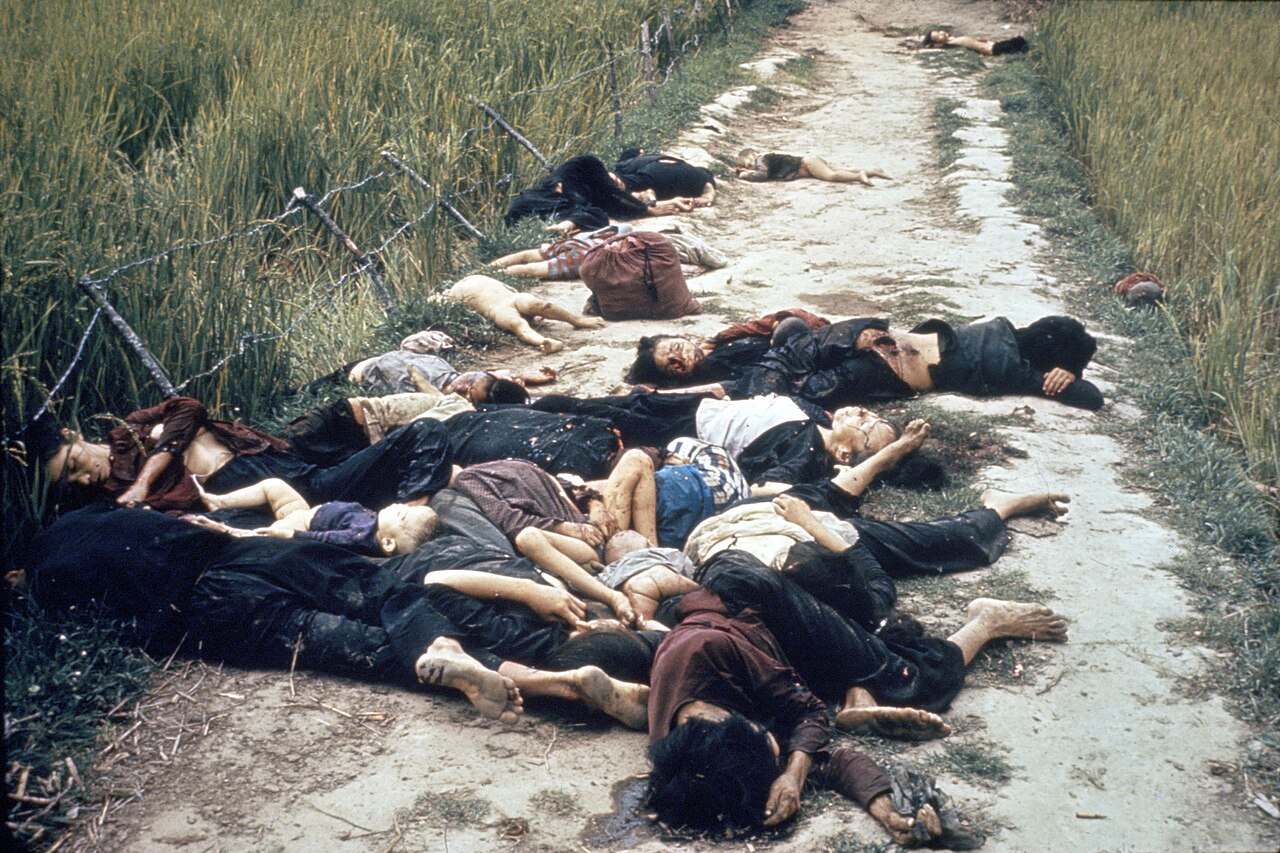
Calley served in the U.S. Army as a junior officer during the Vietnam conflict. At the time of the events that led to his arrest and trial, he commanded a small infantry unit deployed in South Vietnam. Reports and military investigations later identified his unit as central to the operation that resulted in the killing of unarmed civilians in a Vietnamese village, an event that would become known internationally as the My Lai massacre.
My Lai massacre and charges
The incident involved the killing of a large number of noncombatants, including women, children and elderly villagers. The killings were documented by journalists and investigated by the military, prompting criminal charges against a number of soldiers and officers. Calley was the most prominent defendant; while many were investigated, he was the only person ultimately convicted in the criminal proceedings that followed. Contemporary reporting and later scholarship view My Lai as a turning point in how the American public perceived the Vietnam War.
Trial, sentence and release
Calley was convicted of murder and initially received a sentence that carried a long prison term. That sentence was later reduced and converted to house arrest, and he served a limited period of confinement under those conditions before being released. The handling of his case — from prosecution through appeals and sentence modification — produced strenuous public reactions, including support and condemnation from different groups within the United States.
Legacy and controversy
The case of William Calley contributed to broader discussions about obedience to orders, command responsibility, rules of engagement and the psychological stresses on soldiers in combat. Academics, journalists and legal scholars have debated whether the responsibility for atrocities like My Lai rests primarily with individuals carrying out actions or with higher-level commanders and policy makers. The event also influenced later military ethics training and war-crimes jurisprudence.
Notable facts
- Calley was the only person convicted among many who were investigated after the My Lai events.
- The case received extensive media coverage and remains a frequently cited example in discussions of military law and ethics.
- Primary source materials and trial records are available for study in archives and public collections; see official records and analyses and contemporary reporting on the My Lai massacre.
The story of William Calley and My Lai continues to be discussed in historical works, law reviews and military training as a cautionary example of the consequences of failures in judgment, leadership and adherence to the laws of armed conflict.
Author
AlegsaOnline.com William Calley Leandro Alegsa
URL: https://en.alegsaonline.com/art/132895