
National Weather Service bulletin for New Orleans region — 10:11 a.m., August 28, 2005
Summary and analysis of the vividly worded NWS bulletin issued from Slidell at 10:11 a.m. on August 28, 2005 warning of Hurricane Katrina’s catastrophic impact and its role in evacuation response.
Overview
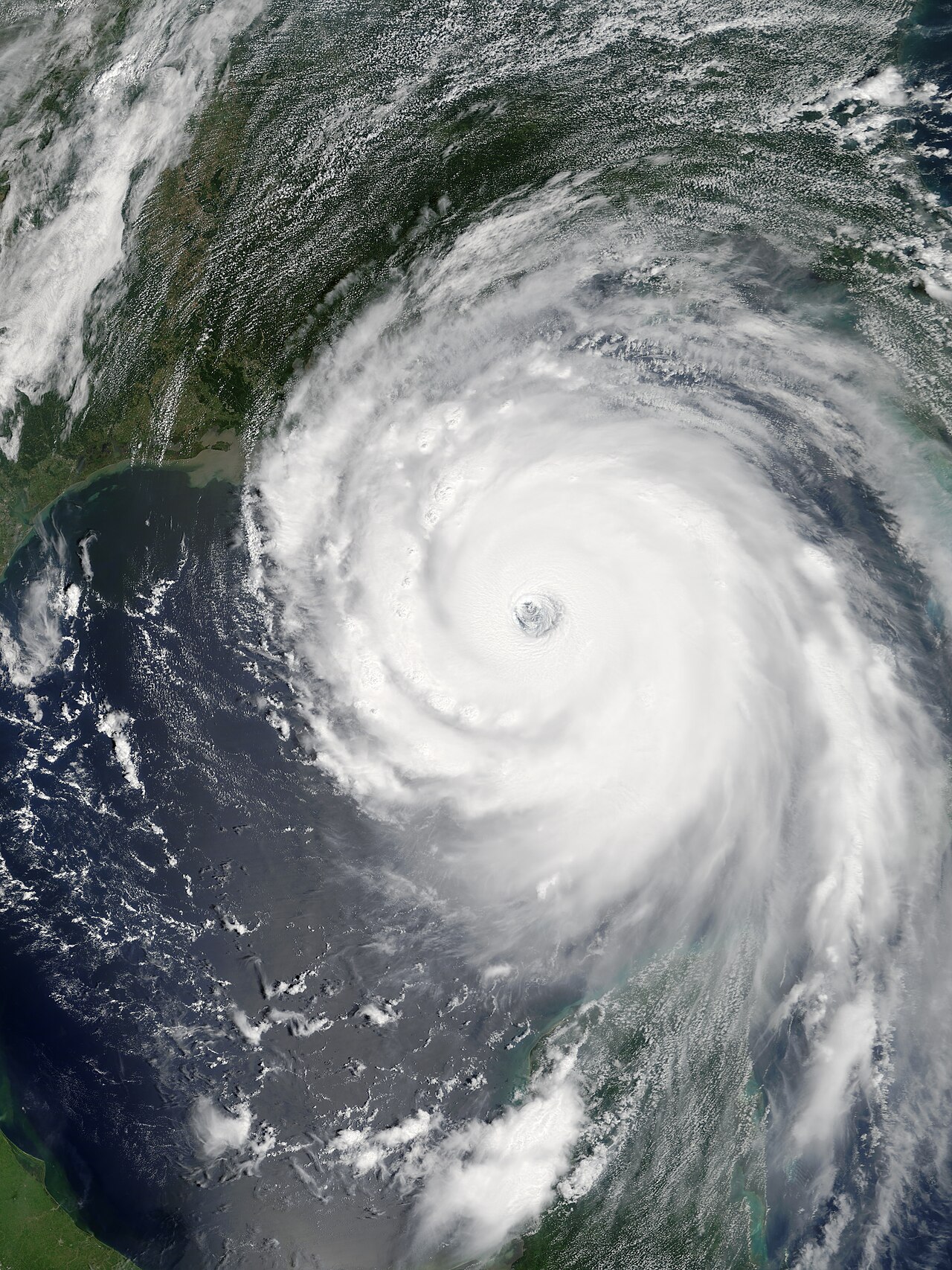
On the morning of August 28, 2005, the local Weather Forecast Office issued a strongly worded bulletin for the New Orleans region at 10:11 a.m. The message came from the local Weather Forecast Office based in Slidell and was directed at residents of Louisiana and the surrounding Gulf Coast. It warned of imminent, severe impacts as Hurricane Katrina approached the Gulf Coast, urging immediate protective action.
Image gallery
3 Images
Content and tone
The bulletin was notable for unusually stark language for an operational National Weather Service product. Rather than technical phrasing alone, the message emphasized life‑threatening storm surge, catastrophic flooding, and extreme danger to people and property. It conveyed urgency and specificity to encourage immediate evacuations and reinforced instructions from local emergency managers.
Context and immediate impact
Issued as Katrina strengthened and neared landfall, the bulletin complemented evacuation orders and media coverage across southern Louisiana and Mississippi. Many observers credit the release with encouraging higher compliance among residents in southeastern Louisiana and southern Mississippi, helping some communities leave before the worst impacts and contributing to fewer fatalities than might otherwise have occurred.
Why it mattered
- It illustrated how plain, forceful language in forecasts can change public behavior.
- It showed coordination between the Weather Forecast Office and local emergency authorities.
- It became an example in discussions about risk communication and emergency messaging.
Lessons and legacy
The bulletin is often cited in emergency management and meteorological training as an instance where urgency and clarity likely saved lives. Its legacy influenced later guidance on conveying risk without inducing panic: prioritize clear impact statements, specific protective actions, and timely coordination with local officials. The 10:11 a.m. release remains a prominent case study in how authoritative weather messaging can affect evacuation decisions and public safety during major storms.
Notable distinctions
Although routine advisories describe hazards, this bulletin stands out for its direct appeal to personal safety at a time when the region faced catastrophic conditions from Hurricane Katrina. The Slidell office message is frequently referenced alongside official reports and retrospective analyses of the storm response, and it illustrates the practical impact of clear, urgent communication in life‑threatening events.
For further background on the offices involved and the affected geography, see the local forecast office page and regional summaries: local Weather Forecast Office, Slidell, Louisiana, Gulf Coast, Hurricane Katrina, southeastern Louisiana and southern Mississippi.
Questions and answers
Q: What was the National Weather Service bulletin for the New Orleans region issued on August 28, 2005?
A: The National Weather Service bulletin for the New Orleans region of 10:11 a.m., August 28, 2005 was a warning of the devastation that the Gulf Coast of the United States could experience as a result of Hurricane Katrina.
Q: Where was the Weather Forecast Office that issued this bulletin located?
A: The Weather Forecast Office that issued this bulletin was located in Slidell, Louisiana.
Q: How did people in southeastern Louisiana and southern Mississippi respond to the bulletin?
A: People in southeastern Louisiana and southern Mississippi followed evacuation orders more closely, resulting in a reduced fatality number.
Q: What was the impact of Hurricane Katrina on the Gulf Coast of the United States?
A: The Gulf Coast of the United States experienced devastation as a result of Hurricane Katrina.
Q: Did the National Weather Service bulletin play a role in reducing fatalities during Hurricane Katrina?
A: Yes, partly due to this bulletin, people in southeastern Louisiana and southern Mississippi followed evacuation orders more closely, resulting in a reduced fatality number.
Q: Was Hurricane Katrina a major storm?
A: Yes, Hurricane Katrina was a major storm that caused significant devastation on the Gulf Coast of the United States.
Q: Did the national government respond effectively to Hurricane Katrina?
A: This question is not answered by the given text.
Related articles
Author
AlegsaOnline.com National Weather Service bulletin for New Orleans region — 10:11 a.m., August 28, 2005 Leandro Alegsa
URL: https://en.alegsaonline.com/art/68722
Sources
- nhc.noaa.gov : Tropical Cyclone Report: Hurricane Katrina
- weather.gov : "Hurricane Katrina Service Assessment Report"
- hurricane.lsu.edu : Keeping its head above water: New Orleans faces doomsday scenario
- gpoaccess.gov : A Failure of Initiative: Final Report of the Select Bipartisan Committee to Investigate the Preparation for and Response to Hurricane Katrina
- popularmechanics.com : New Orleans is Sinking
- sciam.com : Drowning New Orleans
- nola.com : Washing Away
- pubs.asce.org : The Creeping Storm
- nhc.noaa.gov : "Hurricane Katrina Advisory Number 17, 10 a.m. CDT, August 27, 2005"
- nhc.noaa.gov : "Hurricane Katrina Advisory Number 19, 10 p.m. CDT, August 27, 2005"
- nhc.noaa.gov : "Hurricane Katrina Advisory Number 23, 10 a.m. CDT, August 28, 2005"
- msnbc.msn.com : "The weatherman nobody heard"
- srh.noaa.gov : Urgent Weather Message
- nola.com : "Katrina forecasters are lauded"