
Murrumbidgee River (southeastern Australia)
Major southeastern Australian river flowing through the Australian Capital Territory and New South Wales, important for Indigenous culture, agriculture, and the Murray–Darling Basin.
Overview
The Murrumbidgee River is a prominent river in southeastern Australia that rises in the high country and drains across inland plains before joining the larger Murray River. It flows through the Australian state of New South Wales and the Australian Capital Territory and forms a key component of the Murray–Darling Basin, the continent's principal inland water system. The river is valued for its cultural significance, ecological role and contribution to regional agriculture.
Image gallery
10 Images




Course and physical characteristics
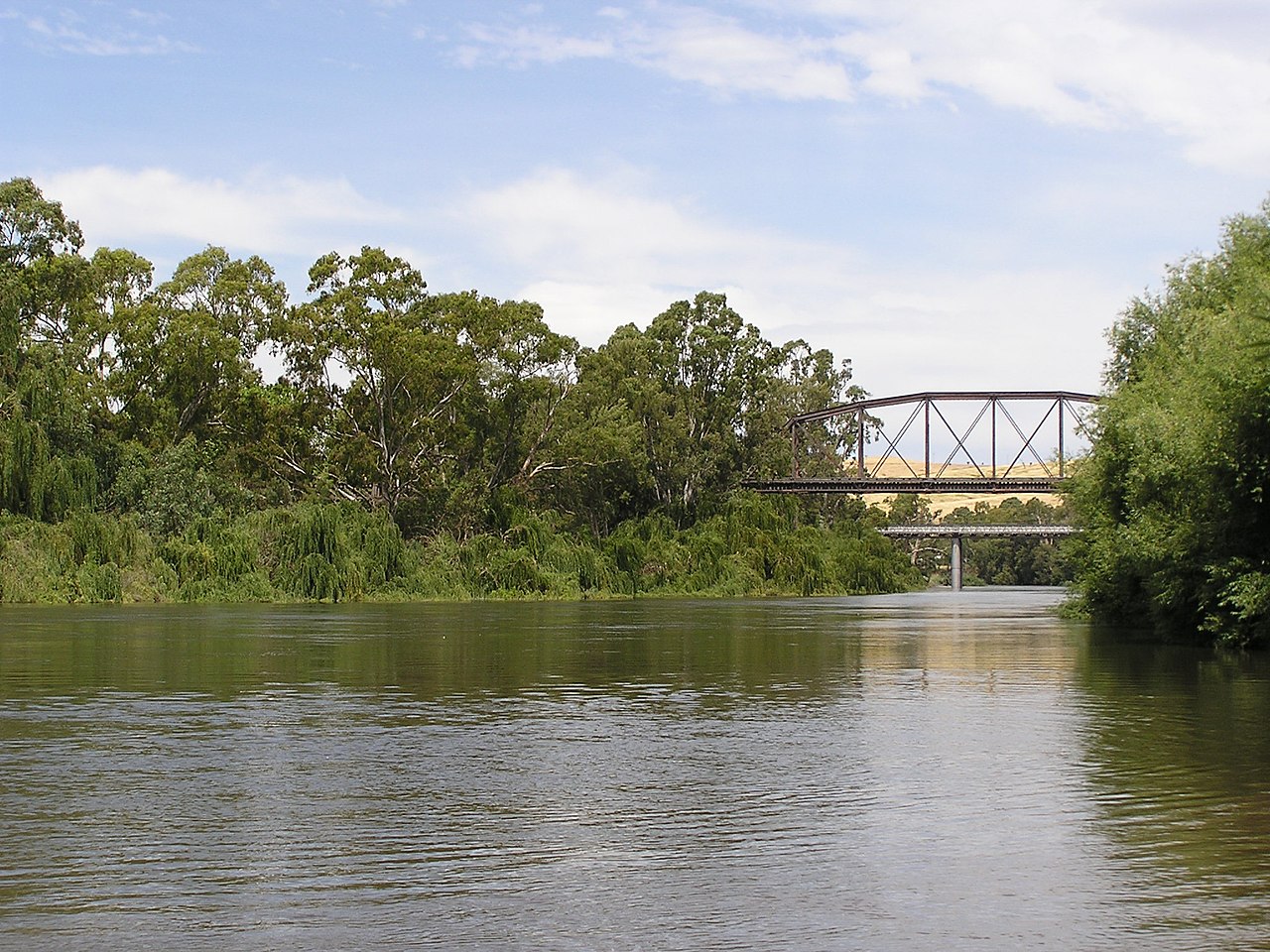
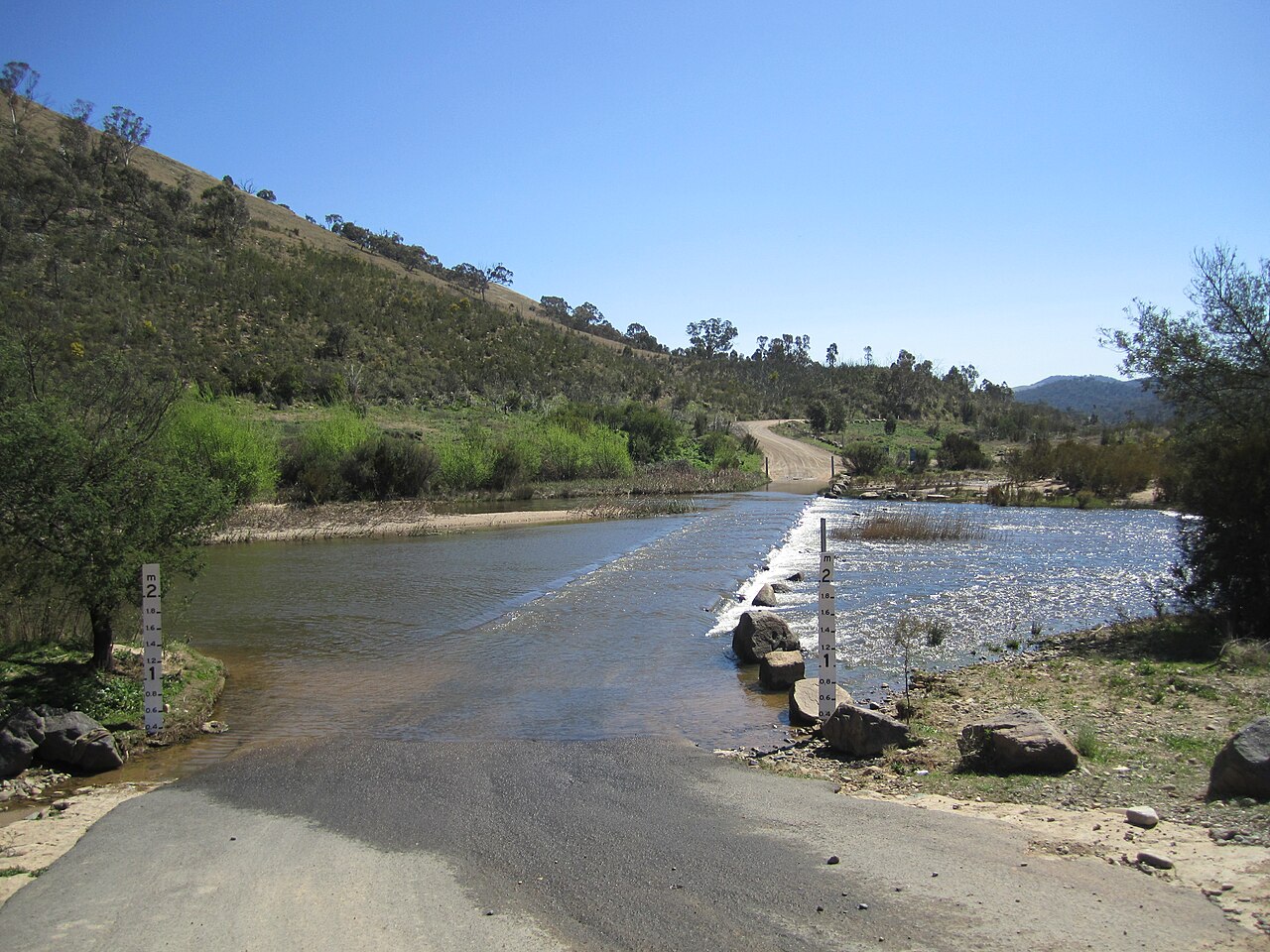
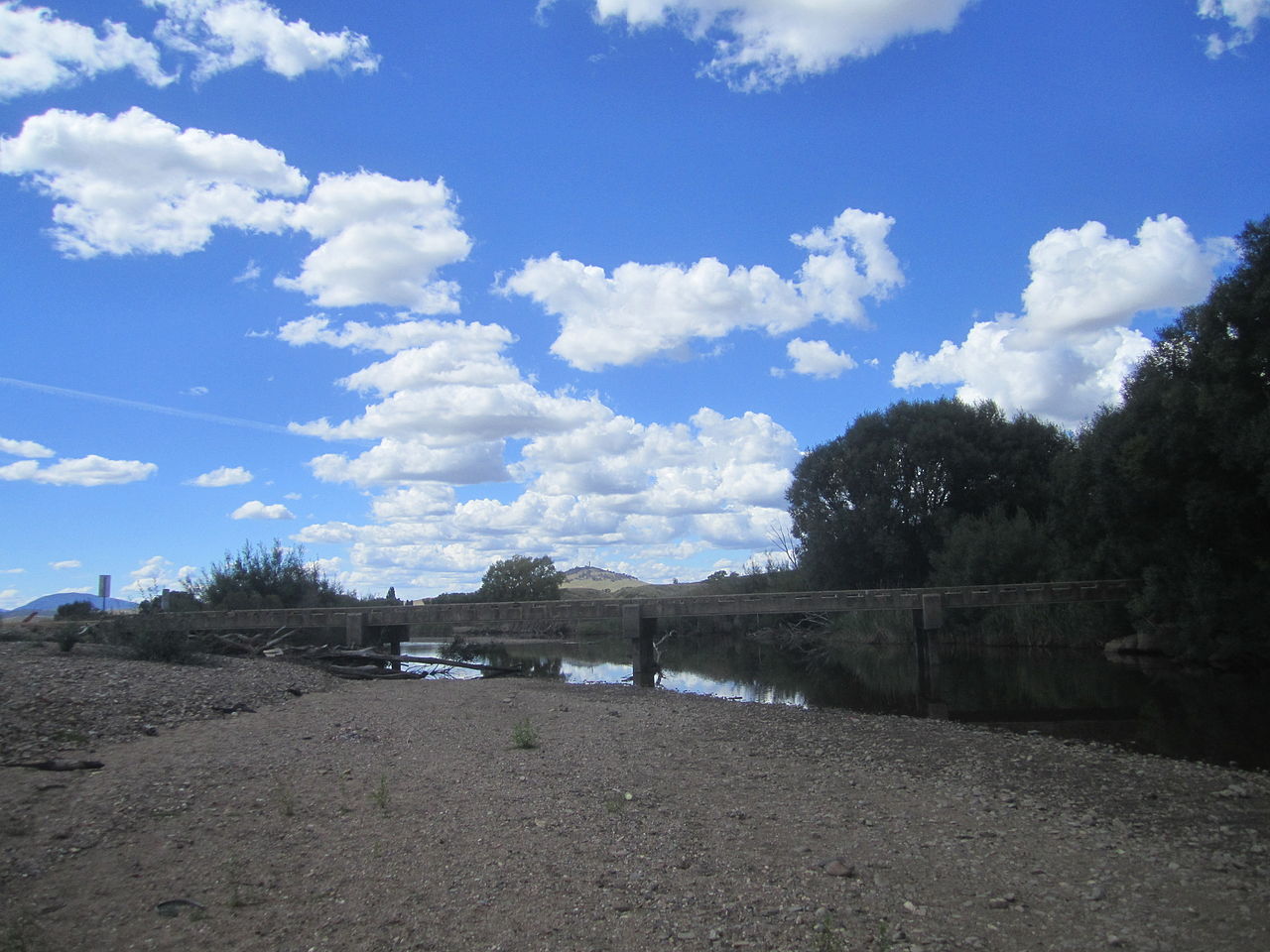
The Murrumbidgee rises in mountainous country and travels from upland streams into broad floodplains. Along its course the river alternates between confined channels, meandering reaches and anastomosing sections with billabongs and wetlands. Seasonal flow variability is typical: higher flows occur after rainfall in the headwaters while drier conditions reduce volumes downstream. The river's floodplain supports rich soils that have long attracted farming and settlement.
Towns and human uses
Several towns and regional centres have developed beside the river, serving as local hubs for commerce, transport and agriculture. Notable settlements on or near its banks include:
- Gundagai
- Wagga Wagga
- Narrandera
- Hay
- Balranald
Water from the Murrumbidgee is widely used for irrigation, municipal supplies and industry. Regulation with weirs, reservoirs and channels supports cropping and pastoral activities across the Riverina, while also shaping the river's natural flow regime.
History and cultural importance
The river basin has long been home to Aboriginal peoples, particularly the Wiradjuri nation. The name "Murrumbidgee" derives from an Indigenous language and is commonly interpreted to mean "big water" or a phrase indicating an important place or route. For millennia the river provided food, transport and spiritual connections; those cultural links remain central to contemporary heritage and land management discussions.
Ecology, management and issues
The Murrumbidgee and its associated wetlands support diverse native plants and animals, including waterbirds, fish and riparian vegetation. Contemporary management balances water extraction with environmental flows intended to sustain habitats. Key challenges include salinity, altered flow patterns from dams and weirs, invasive species and the impact of prolonged droughts. Ongoing conservation and catchment programs aim to improve river health while sustaining agricultural productivity.
Notable facts
- The river is a major tributary within the Murray–Darling Basin and is central to inland water use in southeastern Australia.
- Its floodplains and billabongs are important for biodiversity and seasonal bird migrations.
- Local towns along the river have cultural and economic ties to its waters, landscapes and history.
For further reading on regional geography and management see resources about the river and basin systems: Australia overview materials and regional studies available through state and national agencies.
Related articles
Author
AlegsaOnline.com Murrumbidgee River (southeastern Australia) Leandro Alegsa
URL: https://en.alegsaonline.com/art/67675
Sources
- gnb.nsw.gov.au : "Geographical Names Register Extract: Murrumbidgee River"
- commons.wikimedia.org : Murrumbidgee River