
Mumps (viral infection)
Mumps is an acute viral infection that mainly affects the salivary glands in humans. It causes parotitis, fever and malaise, can lead to complications such as orchitis or meningitis, and is largely preventable by MMR vaccination.
Overview
Mumps is an infectious disease caused by the mumps virus, a member of the Paramyxoviridae family. It infects only humans and spreads by respiratory droplets or direct contact with saliva. Typical illness follows an incubation period of a few weeks and most often affects the salivary (parotid) glands, producing the characteristic swelling known as parotitis. It is described clinically as a viral disease.
Image gallery
3 Images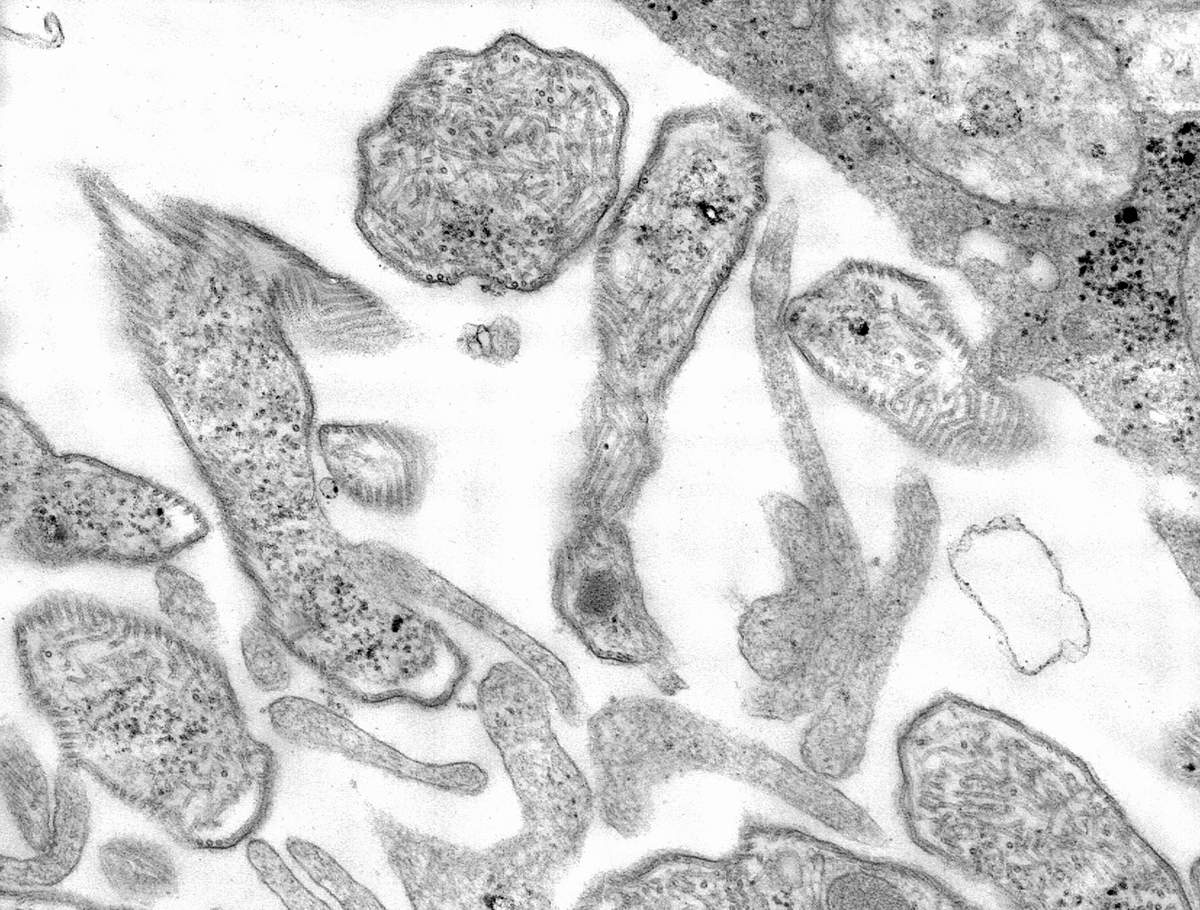


Signs and transmission
The most common symptoms include:
- Fever and general malaise
- Headache and muscle aches
- Swelling of the parotid glands (one or both sides) leading to facial pain
- Sore throat, decreased appetite, and sometimes abdominal pain
Transmission is primarily via droplets when an infected person coughs or sneezes, or by sharing utensils. Only humans are natural hosts, and infected people can be contagious before gland swelling appears.
Diagnosis and complications
Diagnosis relies on clinical signs, laboratory testing such as PCR from saliva or throat swabs, and serology for mumps-specific antibodies. A common laboratory clue is an elevated serum alpha-amylase level reflecting salivary gland involvement. Most cases are self-limiting, but complications can occur:
- Orchitis (testicular inflammation), which can cause pain and rarely affect fertility
- Meningitis or encephalitis (inflammation of the brain or its coverings)
- Pancreatitis and, less commonly, hearing loss
Treatment and prevention
There is no specific antiviral therapy for routine mumps; care is supportive and includes rest, fluids, analgesics and cold or warm compresses for swollen glands. People with suspected mumps are usually advised to isolate to reduce spread.
Prevention relies on vaccination. The combined MMR vaccine provides effective protection against measles, rubella and mumps when the recommended doses are given in childhood. Outbreaks can still occur, particularly where vaccination coverage is incomplete or immunity has waned.
History and public health
Mumps has been recognized for centuries as a cause of parotid swelling. Modern vaccines developed in the mid‑20th century greatly reduced incidence in many countries and remain the primary public health tool. Surveillance, vaccination campaigns and prompt identification of cases help control outbreaks and protect at-risk populations, including adolescents and young adults.
Note: For clinical guidance, laboratory protocols and vaccination schedules consult local health authorities or specialist sources.
Related articles
Author
AlegsaOnline.com Mumps (viral infection) Leandro Alegsa
URL: https://en.alegsaonline.com/art/67505