
Muscular dystrophy
Muscular dystrophy refers to a group of inherited disorders that progressively weaken skeletal muscles. This article summarizes causes, major types, symptoms, diagnosis, management, and current directions in research.
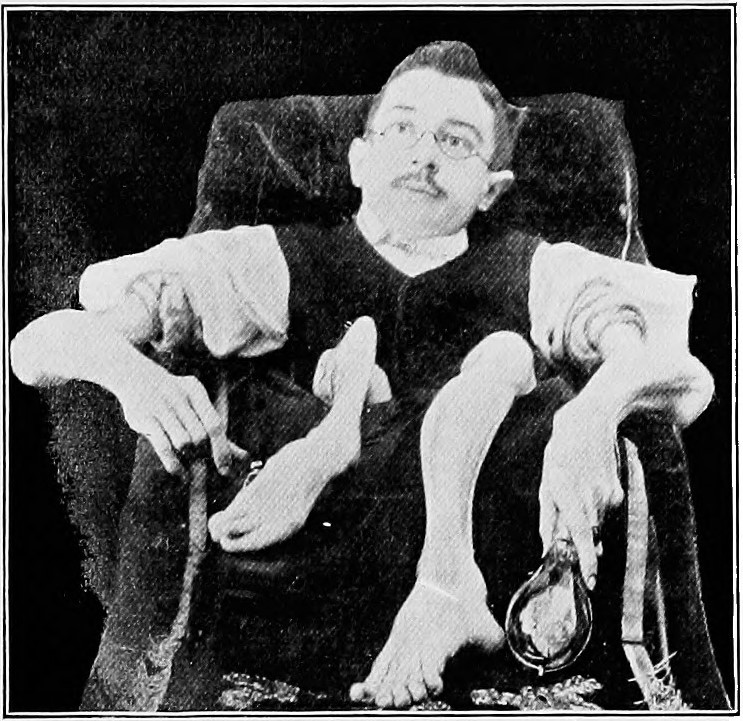
Muscular dystrophy (MD) is a set of genetic conditions characterized by progressive loss of muscle strength and tissue breakdown. The disorders primarily affect voluntary (skeletal) muscles and often reduce mobility over time; some forms also involve the heart, lungs, or other organs. Onset, severity and life expectancy vary widely between forms, from childhood-onset diseases that rapidly impair walking to adult-onset types with slower progression.
Image gallery
3 Images
Causes and inheritance
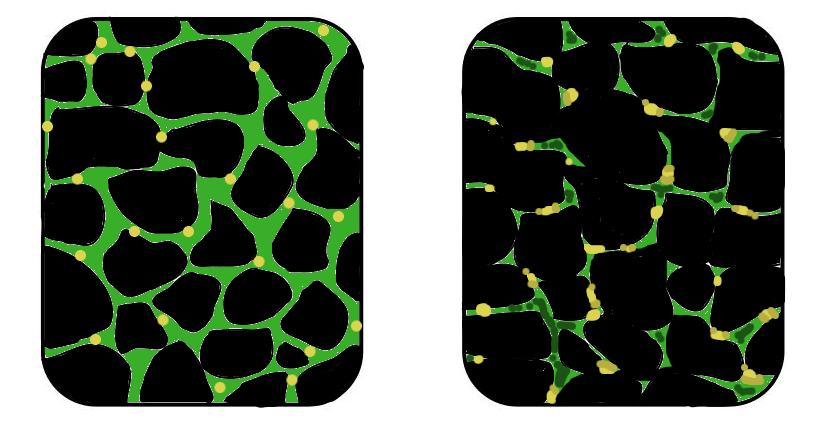
All forms of muscular dystrophy arise from mutations in genes important for muscle structure or function. These mutations can disrupt proteins that stabilize muscle fibers, causing repeated damage and gradual replacement of muscle with fat and connective tissue. Inheritance patterns include X-linked, autosomal dominant and autosomal recessive transmission. For example, the absence of functional dystrophin — a structural protein — causes the severe X-linked Duchenne muscular dystrophy.
Major types
- Duchenne muscular dystrophy: typically appears in early childhood and mainly affects boys; progressive and often severe.
- Becker muscular dystrophy: similar to Duchenne but generally milder and with later onset.
- Myotonic dystrophy: notable for prolonged muscle contractions and multisystem effects including cataracts and endocrine changes.
- Facioscapulohumeral, limb-girdle and other regional forms: vary in which muscle groups are affected and in age of onset.
Common early signs include muscle weakness, delayed motor milestones in children, frequent falls, difficulty rising from the floor, and enlarged calf muscles due to fatty replacement. Cardiac and respiratory involvement are important causes of complications in many types.
Diagnosis and management
Diagnosis uses family history, clinical examination, blood tests for muscle enzymes, genetic testing and sometimes muscle biopsy. There is no universal cure. Management focuses on preserving function and quality of life through physiotherapy, orthoses and mobility aids, respiratory and cardiac monitoring, and medications such as corticosteroids for some types. Specialist care teams coordinate interventions to delay complications and maximize independence.
Research into targeted therapies — including gene-based approaches, exon skipping, and molecular treatments — is active and has produced incremental advances for certain subtypes. Ongoing clinical trials, improved supportive care, and multidisciplinary treatment have increased attention to long-term outcomes and patient-centered care in recent decades.
Related articles
Author
AlegsaOnline.com Muscular dystrophy Leandro Alegsa
URL: https://en.alegsaonline.com/art/67706
Sources
- ninds.nih.gov : "NINDS Muscular Dystrophy Information Page"