
Myasthenia gravis: causes, symptoms, diagnosis and treatment
A concise overview of myasthenia gravis: an autoimmune disorder of the neuromuscular junction causing fluctuating muscle weakness, its typical features, diagnostic approaches, and contemporary treatment options.
Overview
Myasthenia gravis is an autoimmune disorder that impairs communication between nerves and muscles, producing characteristic fluctuating weakness and easy fatigability. Symptoms typically worsen with repeated use of affected muscles and improve after rest. Heat, fever, emotional stress and certain medications may aggravate symptoms. The condition ranges from isolated eye involvement to generalized weakness that can include breathing and swallowing muscles.
Image gallery
6 Images


Symptoms and common patterns
Presentation often depends on which muscle groups are involved. Many people first notice problems around the eyes and face, while others develop more generalized weakness over time. Typical features include:
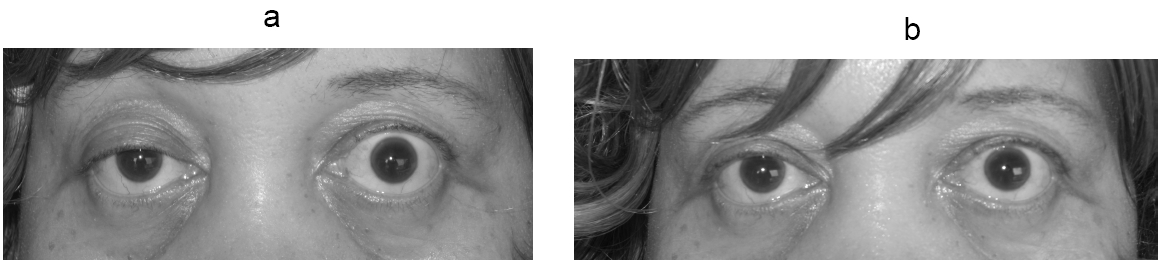
- Ocular: drooping eyelids (ptosis) and double vision (diplopia).
- Bulbar: difficulty speaking, chewing or swallowing, and a nasal quality to the voice.
- Limb and axial: weakness of arms, legs or neck muscles, usually worse with activity.
- Respiratory: weakness of the breathing muscles in severe cases, which may require emergency treatment.
Causes and mechanism
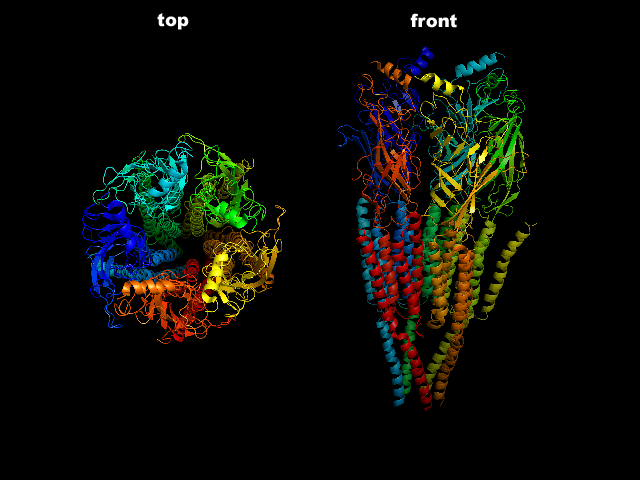
The underlying problem is an autoimmune attack on proteins at the neuromuscular junction, most commonly the acetylcholine receptor. In some patients antibodies target other components such as MuSK (muscle-specific kinase). These antibodies reduce the effectiveness of the chemical signal (acetylcholine) that normally triggers muscle contraction. The thymus gland is frequently abnormal in people with myasthenia gravis and may play a role in the immune response.
Diagnosis
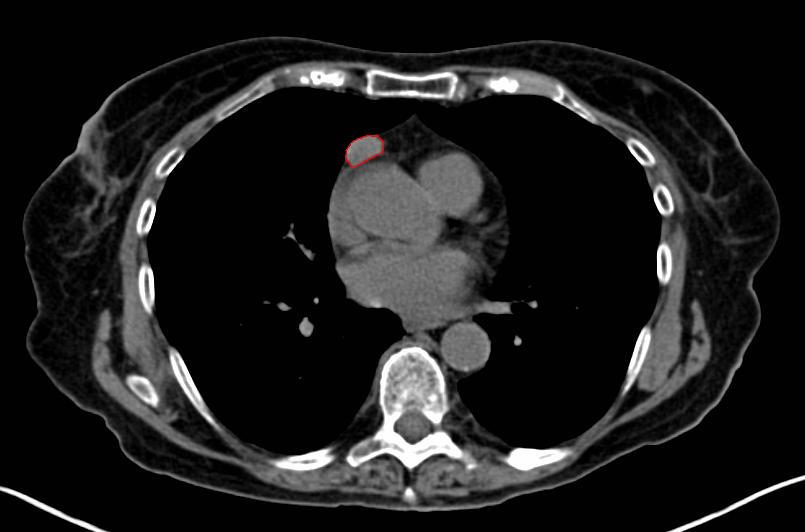
Diagnosis combines clinical assessment with laboratory and electrophysiological tests. Blood tests can detect characteristic autoantibodies. Electrophysiological studies — repetitive nerve stimulation and single-fiber electromyography — evaluate how well nerves trigger muscle responses. Historically, brief drug tests were used to confirm rapid improvement with increased acetylcholine signaling, but antibody testing and electrodiagnostics are now more common. Imaging of the chest is often performed to assess the thymus for enlargement or tumor.
Treatment and management
Therapy has two complementary aims: improve muscle strength and reduce the autoimmune attack. Approaches include:
- Symptomatic medications: acetylcholinesterase inhibitors increase available acetylcholine at the neuromuscular junction and can rapidly improve strength.
- Immunosuppression: corticosteroids and other immunosuppressive agents are used to lower antibody production and control disease activity.
- Surgical: removal of the thymus (thymectomy) is recommended for some patients and may reduce symptoms over months to years.
- Rapid immunomodulation: plasma exchange and intravenous immunoglobulin (IVIG) are used for severe exacerbations or preoperatively to improve strength quickly.
Care also includes avoiding known triggers, monitoring for complications such as myasthenic crisis (severe respiratory weakness), and coordinating multidisciplinary support for nutrition, breathing, and rehabilitation.
Prognosis and notable points
Myasthenia gravis is a chronic condition with a variable course; many people achieve good control with modern treatments and maintain a high quality of life. Early recognition and appropriate management reduce the risk of life-threatening complications. Pregnancy, infections, certain drugs and other illnesses may change disease activity, so individualized follow-up is important. For a general medical overview see medical overview, and for patient-oriented resources consult additional information.
Related articles
Author
AlegsaOnline.com Myasthenia gravis: causes, symptoms, diagnosis and treatment Leandro Alegsa
URL: https://en.alegsaonline.com/art/67945