
Mycobacterium tuberculosis — the bacterium that causes tuberculosis
Slow-growing, acid-fast bacterium that causes tuberculosis. Covers biology, history, transmission, clinical features, diagnosis, treatment, drug resistance, and public health importance.
Overview
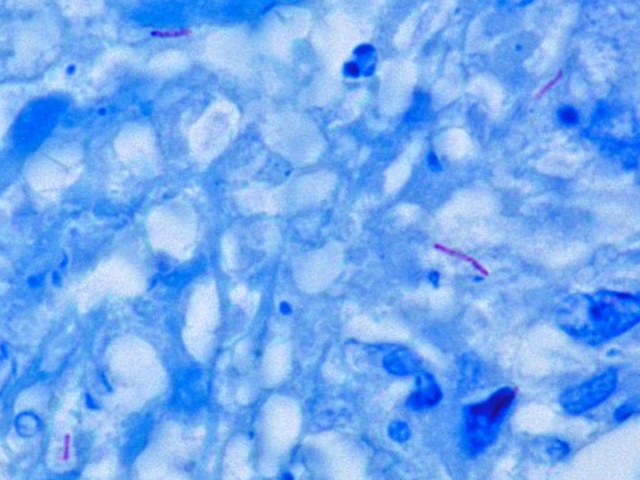
Mycobacterium tuberculosis is the primary bacterial cause of tuberculosis (TB), an infectious disease that most commonly affects the lungs but may involve many organs. It is a slow-growing, aerobic, acid-fast bacillus with a complex, lipid-rich cell envelope that affects staining, environmental persistence, and response to drugs. For general information about the illness, see tuberculosis.
Image gallery
7 Images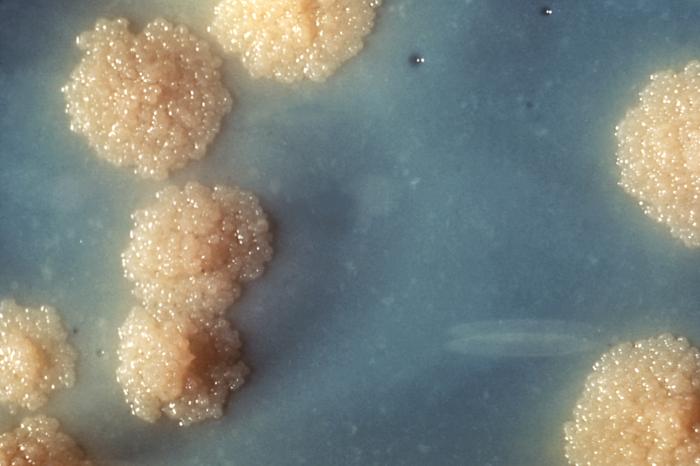


Structure and biological features
The cell wall of M. tuberculosis contains long-chain mycolic acids and other lipids that confer a characteristic waxy appearance and contribute to resistance against chemical damage and dehydration. The bacterium is typically rod-shaped under the microscope and grows much more slowly in culture than many other pathogenic bacteria, often requiring specialized media and extended incubation.
Lifecycle and pathogenesis
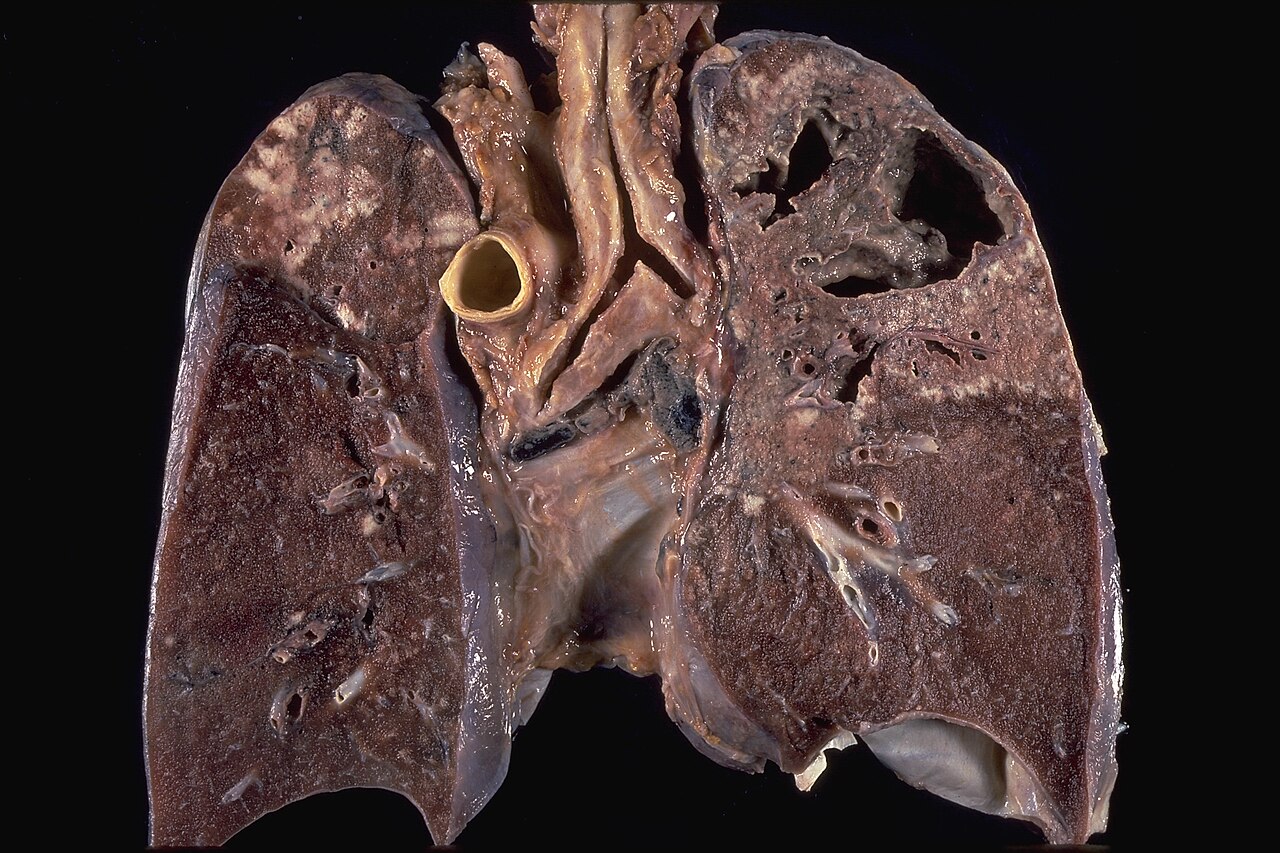
Infection usually begins when aerosolized droplets containing the bacilli are inhaled and reach the lungs. The organism can be contained by the immune system, leading to latent infection without symptoms, or it can replicate and cause active disease. Tissue damage in TB results from the host immune response as well as direct effects of the bacteria; granuloma formation is a hallmark of the interaction between M. tuberculosis and the immune system.
History and discovery
Robert Koch described the tubercle bacillus in 1882, establishing a microbial cause for a disease that had been a major cause of death for centuries. The identification of the organism paved the way for diagnostic, preventive and therapeutic advances, including later development of antimicrobials and public health measures. For more on the discoverer, see Robert Koch.
Transmission, clinical features and diagnosis
Transmission is mainly airborne from persons with active pulmonary TB who expel infectious droplets when coughing, speaking, or sneezing. Not all infected people develop active disease; factors such as immune status influence progression. Common symptoms of pulmonary TB include persistent cough, weight loss, fever, and night sweats. Diagnosis typically combines clinical assessment, chest imaging, microscopic examination of sputum, culture, and molecular tests that detect the bacterium or its genetic material.
Treatment and drug resistance
Treatment relies on combination antimicrobial therapy given for several months to ensure cure and reduce the chance of resistance. The introduction of effective antibiotics in the mid-20th century greatly reduced mortality from TB, but the emergence of multidrug-resistant and extensively drug-resistant strains has complicated therapy and control efforts. For general information on antimicrobial agents see antibiotics, and for issues related to resistant forms see drug-resistant strains.
Public health and prevention
Control of M. tuberculosis requires timely diagnosis, adherence to treatment regimens to prevent development of resistance, contact tracing, and vaccination in settings where it is recommended. Ongoing research focuses on improved vaccines, faster diagnostics, and new treatments to address drug-resistant TB and latent infection.
- Key features: slow growth, acid-fast cell wall, ability to cause latent and active disease.
- Clinical concern: transmissible pulmonary disease with potential for extrapulmonary involvement.
- Control: combined clinical care, public health measures, and research into better tools.
Related articles
Author
AlegsaOnline.com Mycobacterium tuberculosis — the bacterium that causes tuberculosis Leandro Alegsa
URL: https://en.alegsaonline.com/art/67952
Sources
- bbc.co.uk : "Analysis: antibiotic apocalypse – is the end nigh?"
- bbc.co.uk : "'Golden age' of antibiotics 'set to end'"