
Multiple system atrophy (MSA)
A rare, progressive neurodegenerative disorder causing autonomic failure, parkinsonism, and/or cerebellar ataxia; diagnosis is clinical, treatment symptomatic, and prognosis guarded.
Overview
Multiple system atrophy (MSA) is a rare neurodegenerative disorder that leads to a combination of autonomic dysfunction, motor impairment, and cerebellar problems. Symptoms progress over years and reflect damage in several regions of the nervous system rather than a single structure. MSA is distinct from, but often confused with, other movement disorders because of overlapping features.
Image gallery
3 Images

Causes and pathology
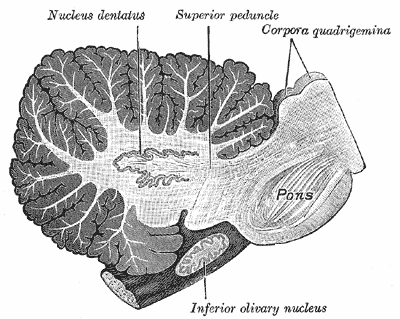
MSA is characterized by progressive loss of neurons and supportive cells in multiple brain areas. Pathological studies reveal degeneration of neurons and abnormal protein inclusions in oligodendrocytes, most notably aggregates of alpha-synuclein. Affected brain structures include the basal ganglia, brainstem nuclei, and cerebellar pathways. These widespread changes explain the diversity of clinical features.
Clinical features
MSA typically presents in adulthood with a variable mix of problems. Common manifestations include:
- Autonomic failure: orthostatic hypotension, urinary incontinence or retention, erectile dysfunction, and impaired sweating.
- Parkinsonism: slowness of movement, rigidity, postural instability and sometimes tremors, often with a poor or transient response to dopaminergic drugs.
- Cerebellar signs: gait and limb incoordination described as ataxia, dysarthria, and balance difficulties.
Diagnosis, subtypes and course
Diagnosis is clinical and based on the pattern of symptoms, supported by imaging and autonomic testing. MSA is commonly classified into predominant parkinsonian (MSA-P) and predominant cerebellar (MSA-C) subtypes. Magnetic resonance imaging can show characteristic changes in some patients, and progressive dysfunction usually leads to increasing disability. MSA shares similarities with Parkinson's disease and other movement disorders, which can complicate early diagnosis.
History and nomenclature
The condition was historically described under several names (for example Shy–Drager syndrome, striatonigral degeneration, olivopontocerebellar atrophy) before the unifying term multiple system atrophy became common. This reflects recognition that a single disease process can affect multiple motor and autonomic systems.
Management and outlook
There is no cure. Care focuses on symptom control: managing blood pressure and bladder problems, physiotherapy for mobility, speech therapy, and judicious use of medications for parkinsonism. Prognosis is variable but generally progressive; multidisciplinary care aims to maintain quality of life. Reliable specialist information and clinical guidance are available from professional and patient resources (cerebellar resources, support groups, disease overviews, research summaries, pathology reports, symptom guides, anatomy references, comparative reviews).
Related articles
Author
AlegsaOnline.com Multiple system atrophy (MSA) Leandro Alegsa
URL: https://en.alegsaonline.com/art/67480
Sources
- mercksource.com : multiple system atrophy