
Muse (Grace Jones album)
Muse is the third studio album by Jamaican singer Grace Jones, released in 1979 by Island Records. A disco-era record that completed her late-1970s dance trilogy before a stylistic shift in the 1980s.
Overview
Grace Jones released Muse as her third studio album in 1979. Issued by Island Records, the record belongs to the singer's disco-era output and followed two earlier dance-oriented albums from the late 1970s. Muse is often described as part of the series of records that established Jones in clubs and on dancefloors before she moved toward a different sound in the 1980s.
Image gallery
1 Image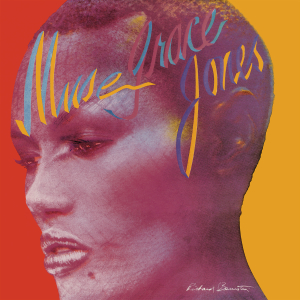
Musical style and content
The album continues the extended, dance-focused arrangements typical of late-1970s disco, featuring rhythmic grooves, orchestral touches and vocal performances aimed at club audiences. Rather than experimental rock or new wave, Muse emphasizes steady beats and accessible melodies that suited discotheque play and radio formats of the period.
Recording and release context
Muse was released on September 4, 1979. It was created during a prolific phase of Jones's early career when she regularly recorded material tailored to dance venues and international markets. The production and arrangements reflect contemporary studio practices for disco, emphasizing polished sound and layered instrumentation.
Reception and legacy
At the time, Muse was received mainly within the dance-music circuit rather than as a mainstream pop breakthrough. Historically, the album is notable as the closing installment of Jones's late-1970s disco period; soon afterward she shifted stylistically, collaborating with different producers and exploring new wave, funk and post-punk textures in the 1980s.
Notable characteristics
- Part of a trio of early albums that defined Jones's disco-era image and sound.
- Designed for club play with extended arrangements and rhythmic emphasis.
- Serves as a transition point before her later, more experimental reinventions.
Why Muse matters
Though not the most celebrated record in her catalogue, Muse documents an important phase in Grace Jones's artistic development: her mastery of dance idioms, her charismatic presence as a performer, and the groundwork that allowed her to reinvent herself in subsequent years. For listeners and historians, it offers a snapshot of late-1970s disco through the voice of one of the era's most distinctive personalities.
Related articles
Author
AlegsaOnline.com Muse (Grace Jones album) Leandro Alegsa
URL: https://en.alegsaonline.com/art/67709
Sources
- swedishcharts.com : "Grace Jones - Muse"
- allmusic.com : "Muse - Grace Jones : Awards : AllMusic"