
Mug (drinking vessel)
A mug is a handled drinking vessel, typically ceramic or metal, used for hot and cold beverages. It differs from cups in shape and capacity and has many everyday, cultural, and collectible uses.
Overview
A mug is a common type of drinking container with a single handle on its side. It is usually deeper and more robust than a teacup, designed to hold larger portions and to be used for hot drinks such as coffee, tea, or hot chocolate. The term also applies to larger vessels used for cold drinks, and the word appears in many languages and cultures.
Image gallery
10 Images




Design and materials
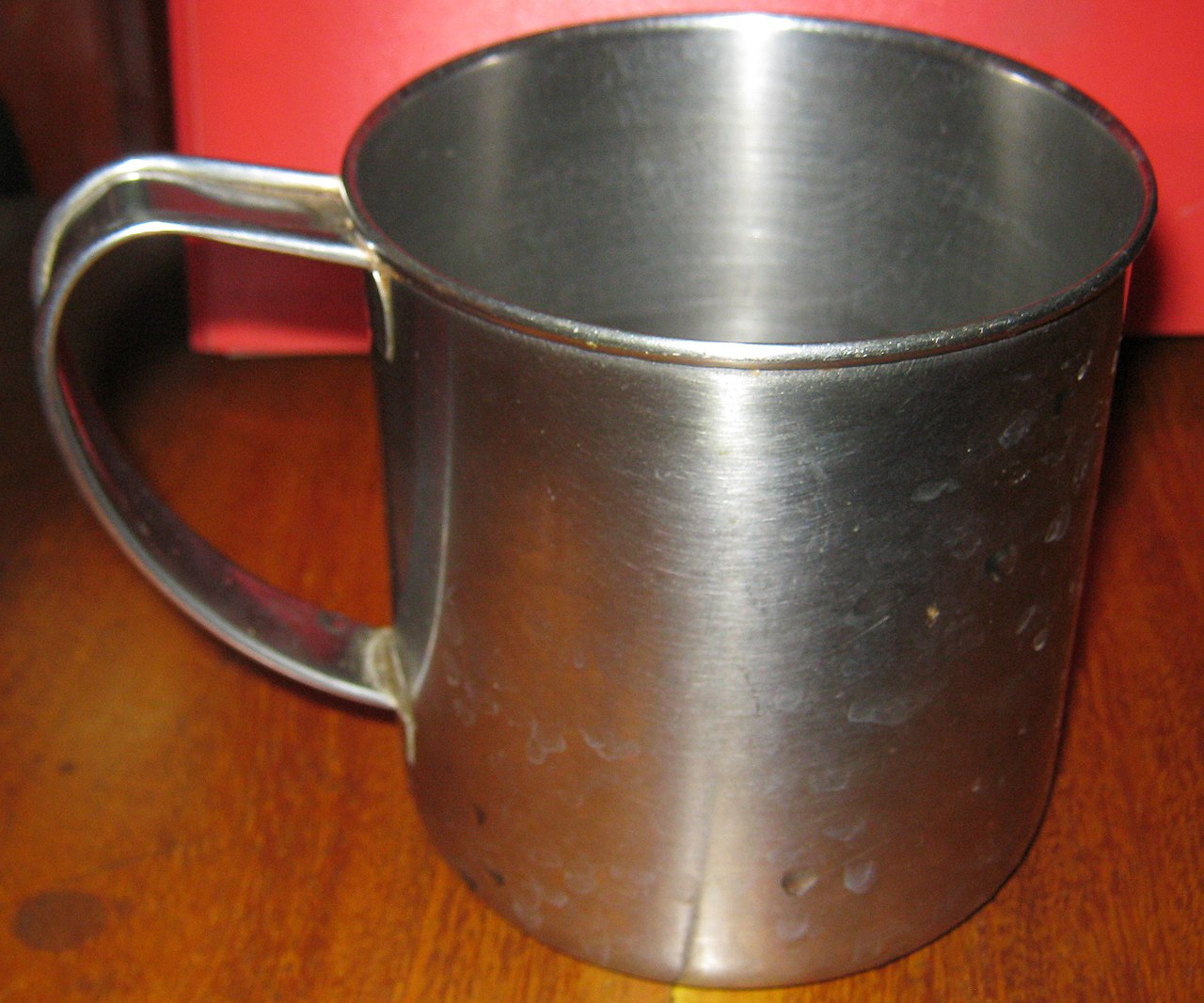
Mugs are made in many shapes and from a range of materials. Traditional household examples are often made of ceramic, which retains heat and accepts glazes for decoration. Metal varieties, including stainless steel, are common where durability or insulation is needed. Other materials include glass, porcelain, bone china, and various plastics.
Common types and features
- Standard ceramic mug: thick walls, glazed surface, comfortable handle.
- Insulated travel mug: designed to reduce heat loss and prevent spills.
- Beer mug or stein: larger, sometimes with a lid; often used in pubs and social settings (mug of beer, pub).
- Promotional and collectible mugs: printed with logos, art, or slogans.
History and development
Handheld drinking vessels have existed for millennia, evolving with pottery, glazing, and metalworking techniques. As domestic hot beverages became more common in the modern era, the mug developed into a standard household object; industrial production and mass decoration increased its variety and availability.
Uses, etiquette, and distinctions
Mugs are widely used for morning coffee, tea, and informal drinks; for example, people often refer to having a mug of coffee at home or work. Compared with cups and stemware, mugs prioritize practicality: heat retention, easy grip, and larger volume. They are also objects of personal expression and can be collectors' items or promotional goods.
Related articles
Author
AlegsaOnline.com Mug (drinking vessel) Leandro Alegsa
URL: https://en.alegsaonline.com/art/67359