
Public house (pub): overview, history, characteristics and social role
A public house or pub is an establishment that serves drinks and often food, acting as a social hub in many communities. This article explains features, history, variations and cultural importance.
Overview
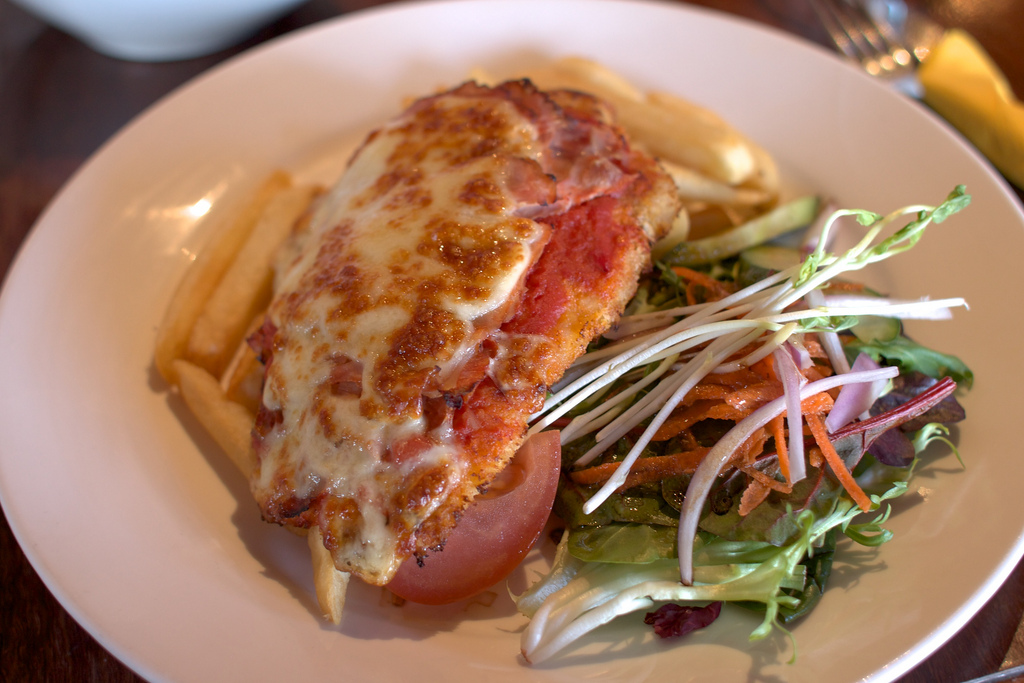
A public house, commonly shortened to pub, is an establishment where members of the public can buy and consume drinks and, frequently, food. Pubs operate as licensed businesses that serve both alcoholic and non-alcoholic drinks. Typical alcoholic offerings include beer and cider, while non-alcoholic choices often include lemonade, cola, tea and coffee. Many pubs also sell prepared meals and snacks such as classic local dishes and food items that may include fish and chips or pies.
Image gallery
10 Images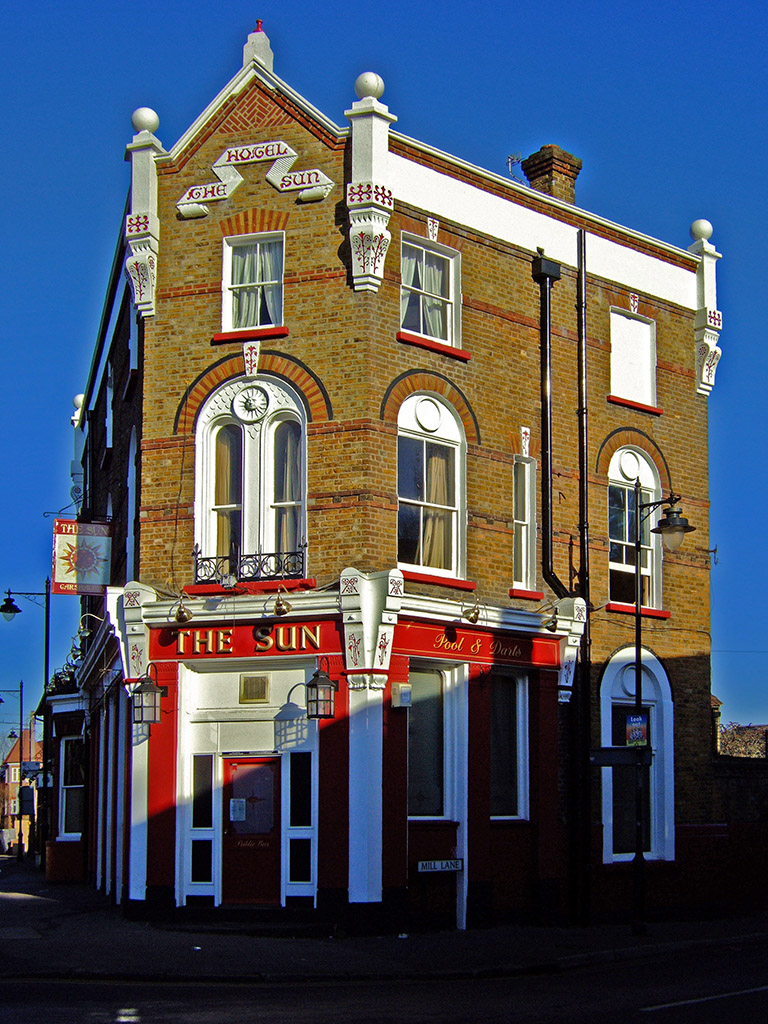



Characteristics and layout
Pubs vary widely in size and style but share common features: a bar counter with taps, seating areas, and often a separate room or section for quieter conversation. Traditional pubs may include a taproom, a snug or parlour for more private gatherings, and sometimes an outdoor beer garden. Offerings and atmosphere range from basic neighbourhood taverns to more elaborate gastropubs that emphasise high-quality cuisine.
- Typical drink list: ales, lagers, ciders, wines and spirits.
- Food options: light snacks to full meals; some pubs specialise in regional fare.
- Entertainment: live music, quiz nights, televised sports and local events.
Origins and historical development
The public house as an institution developed in Britain and Ireland and has been part of social life there for centuries. The English term "public house" reflects its role as a place open to the public for refreshment, distinct from private clubs or inns. Over time the form of the pub adapted to economic, legal and social changes: licensing laws shaped opening hours and behaviour, industrialisation influenced urban pub density, and changing tastes have encouraged new formats such as micropubs and gastropubs.
Social role and uses
Pubs often function as local gathering places. In many communities in England, Wales, Ireland and Scotland, they serve as venues for conversation, meetings, celebrations and informal business. Pubs are also common in other English-speaking countries such as Canada, Australia and the United States, where they have been adapted to local tastes and regulations. In rural areas and villages or small towns, a pub can be a focal point of community life, hosting events and serving as an informal noticeboard.
Entertainment, accommodation and variations
Many pubs offer entertainment such as live bands and solo bands or singers, karaoke, folk nights or sports viewing. When a pub provides rooms for overnight guests it may be called an inn; historic coaching inns catered to travellers with lodging and stabling. Modern variations include beer-focused micropubs, music-oriented venues, family-friendly pubs, and upscale gastropubs that prioritise food quality alongside a curated drink selection.
Notable distinctions and contemporary trends
Important distinctions include the difference between a pub and a bar (terms overlap but can imply different atmospheres or traditions) and between a pub and an inn (which provides accommodation). Contemporary trends affecting pubs include craft beer movements, changing licensing and health regulations, and shifts in social habits that influence opening hours and services. Despite these pressures, pubs remain a resilient cultural institution in many places, valued for their role in community life, hospitality and local identity.
For readers seeking more detail about specific practices, legal frameworks or regional styles, consult local licensing guides and hospitality resources. This article provides a general introduction to the public house as a social and commercial institution.
Questions and answers
Q: What is a pub?
A: A pub is a business that serves alcoholic and non-alcoholic drinks within the limits of the public house.
Q: What alcoholic drinks do pubs serve?
A: Pubs serve alcoholic drinks such as beer, cider, and ale.
Q: How can pubs be closed down?
A: Pubs can be closed down if they are not properly conducted and do not abide by the licensing laws of the country.
Q: What are some non-alcoholic drinks that pubs serve?
A: Some non-alcoholic drinks that pubs serve include lemonade, cola, tea, and coffee.
Q: Where are pubs commonly found?
A: Pubs are commonly found in English-speaking countries such as England, Wales, Ireland, Scotland, Canada, Australia, and the United States.
Q: What role do pubs play in small towns and villages?
A: In many parts of England, Wales, Ireland, and Scotland, pubs are the centre of community life and serve as gathering places for locals.
Q: What is an inn?
A: An inn is a pub with rooms where people can sleep at night.
Related articles
Author
AlegsaOnline.com Public house (pub): overview, history, characteristics and social role Leandro Alegsa
URL: https://en.alegsaonline.com/art/79903