
Muskmelon (Cucumis melo): varieties, history, and uses
Muskmelon (Cucumis melo) is a group of sweet, aromatic melons including cantaloupes and honeydews. This article covers origins, characteristics, cultivation, culinary uses, and distinguishing traits.
Overview
Muskmelon is the common name for Cucumis melo, a species of fruit-bearing vine in the gourd family. The group includes several familiar table melons, notably cantaloupes and honeydews, but it also encompasses many lesser-known regional types and heirloom varieties. Muskmelons are grown for their sweet, often strongly scented flesh and are consumed fresh, in desserts, salads, and beverages. They are recognized by a variety of skin textures and flesh colors, from pale green to deep orange.
Image gallery
9 Images


Characteristics and parts
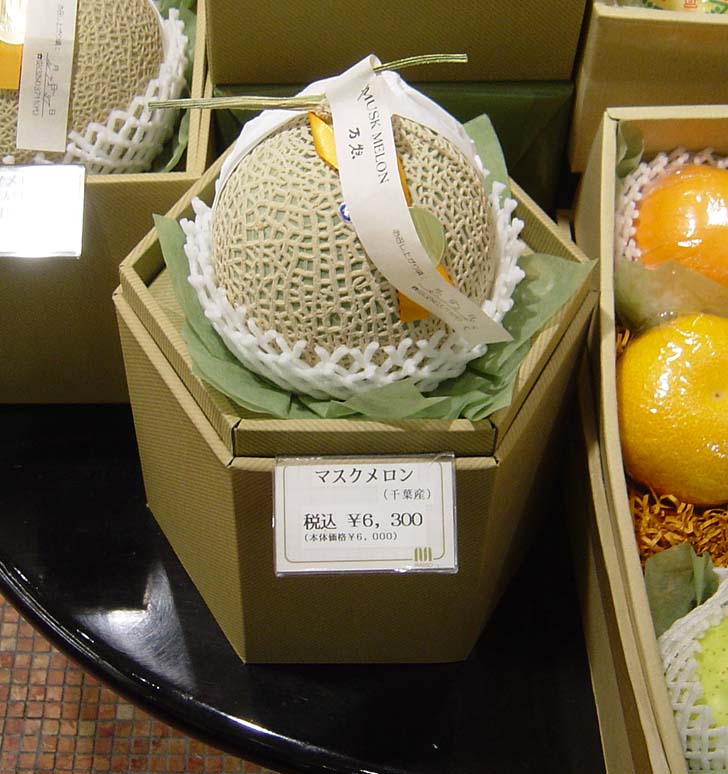
Plants are annual vines with tendrils and broad leaves; they produce male and female flowers on the same plant. The fruit varies widely in size and shape, typically spherical to slightly oblong. Two common skin types are the netted, rough rind seen on many so-called cantaloupes and the smooth, waxy rind of honeydew-like melons. Flesh can range from white or green to yellow and orange; aroma and sweetness are important quality traits, with some varieties described as musky, hence the name.
History and origin
Muskmelons are believed to have originated in regions of western Asia, including parts of present-day Iran and surrounding areas. From there they spread into South Asia, Africa, and the Mediterranean. Evidence of cultivated melons appears in ancient records and archaeological remains across several early civilizations. The word cantaloupe is derived from an Italian place name where a strain of melon was reportedly grown, and botanical and common names reflect a blend of linguistic influences across regions and eras. For more on the plant’s cultural movement, see Persian origins and spread.
Major types and distinctions
- Cantaloupes: Often used to describe melons with netted rinds and orange flesh; popular in North America and parts of Europe. See an example at cantaloupe.
- Honeydew and smooth-rinded melons: Generally have pale, smooth skin and green to white flesh with a milder aroma.
- Specialty and regional cultivars: Many local varieties exist with unique colors, flavors, and growing habits favored in different cuisines and climates.
Cultivation and uses
Muskmelons are warm-season crops that require full sun, well-drained soil, and a relatively long, frost-free growing period. Commercial growers select varieties for traits such as yield, shelf life, disease resistance, and flavor. Harvest timing is critical: fruit left on the vine too long may over-ripen and deteriorate, while early-picked melons may lack aroma and sweetness. Culinary uses are diverse: they are eaten raw, paired with cured meats or cheeses, blended into smoothies, or used in chilled soups and desserts. Nutritionally, they are valued for hydration and a range of vitamins and minerals, though specific nutrient content varies by variety.
Notable facts and terminology
The common name muskmelon reflects the characteristic fragrance of many cultivars, combining a term for scent with the general name for the fruit. Botanical nomenclature and regional common names do not always match popular usage; for instance, what is called a "cantaloupe" in one country may differ from the botanical cantaloupe type. For background on botanical naming and linguistic roots, consult discussions of the Latin and European terms Latin root and broader horticultural sources at muskmelon overview. Practical tips for shoppers include checking aroma at the blossom end, feel of the rind, and firmness to choose ripe, quality fruit. Further cultivar information and growing guidance are available from agricultural extension services and specialty seed suppliers, for example additional resources.
Questions and answers
Q: What are muskmelons?
A: Muskmelons are a type of melon, specifically Cucumis melo.
Q: What is a popular type of muskmelon?
A: Cantaloupes are a popular type of muskmelon.
Q: Where do muskmelons come from?
A: Muskmelons come from Persia (Iran) and nearby countries.
Q: When were muskmelons transported to Europe?
A: Muskmelons were transported west to Europe near the time of Christ's birth.
Q: What is the origin of the name Cantaloupe?
A: The name Cantaloupe comes from the Italian town they were cultivated in: Cantalupo nel Sannio.
Q: What is the meaning of the word "muskmelon"?
A: The word "muskmelon" comes from the words "musk," which means "perfume" in Persian, and "melon," which is French and comes from a Latin word melonem that means "fruit of a cucurbit."
Q: What are other types of muskmelon?
A: Other types of muskmelon include the Honeydew Melon.
Related articles
Author
AlegsaOnline.com Muskmelon (Cucumis melo): varieties, history, and uses Leandro Alegsa
URL: https://en.alegsaonline.com/art/67786
Sources
- aggie-horticulture.tamu.edu : "Muskmelons Originated in Persia"