
Muath Al-Kasasbeh
Jordanian Royal Air Force pilot (1988–2015) whose capture after an F‑16 crash and subsequent killing by the Islamic State drew widespread condemnation and affected Jordanian policy and public sentiment.
Overview
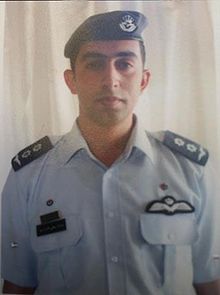
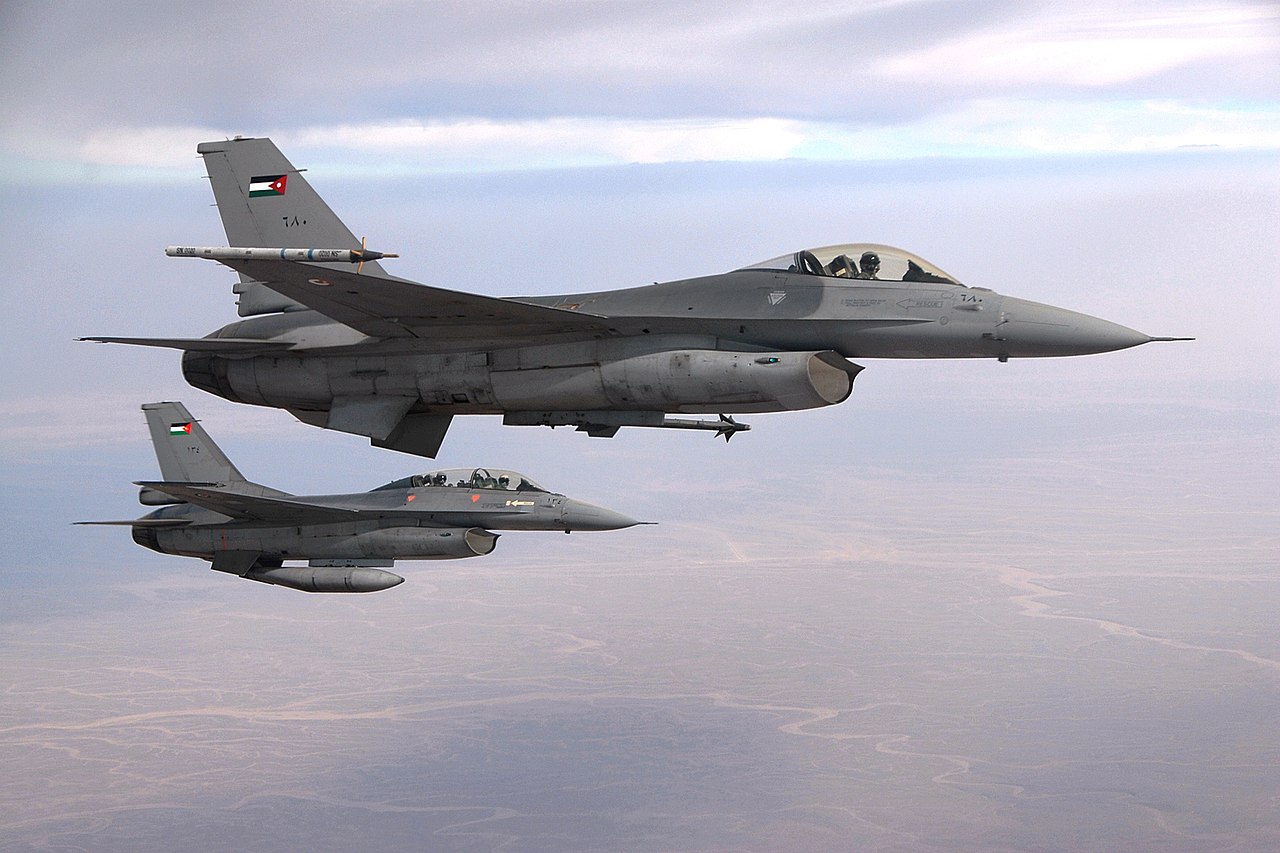
Muath Safi Yousef Al‑Kasasbeh (Arabic: معاذ صافي يوسف الكساسبة) was a Jordanian air force officer who became internationally known after he was captured in Syria in late 2014 and later killed while in the custody of the militant group Islamic State. Born on May 29, 1988, Al‑Kasasbeh served as a First Lieutenant in the Royal Jordanian Air Force and flew F‑16 fighter aircraft. His detention and death provoked strong reactions in Jordan and around the world.
Image gallery
3 Images
Background and service
Al‑Kasasbeh was trained as an F‑16 pilot and held the rank of First Lieutenant. Pilots in the Jordanian air force undertake advanced engineering and flight instruction before serving in operational squadrons. At the time of the incident he was assigned to missions related to the international campaign against extremist armed groups operating in Syria and Iraq.
Capture and detention
On December 24, 2014, the F‑16 Al‑Kasasbeh was flying experienced problems and crashed in territory controlled by Islamic State fighters near Raqqa, Syria. Sources at the time reported differing accounts of the cause of the crash; the armed group claimed to have shot down the aircraft, while Jordanian officials described mechanical failure as the likely reason. Al‑Kasasbeh was taken into custody by the group and held as a high‑profile hostage during a period of difficult negotiations.
Death and immediate aftermath
During his captivity, the Islamic State issued threats to execute him and released propaganda materials related to his case. The group also killed another hostage, Japanese journalist Kenji Goto, amid the same series of events. In early January 2015 a video released by the group showed Al‑Kasasbeh’s killing; the footage sparked wide revulsion, intensified diplomatic pressure, and led to an outpouring of grief and anger in Jordan. Jordanian authorities condemned the act and reacted with measures intended to hold the perpetrators accountable.
Significance and legacy
The case of Muath Al‑Kasasbeh became a focal point for discussions about the risks faced by military personnel operating near conflict zones, the challenges of negotiating for hostages held by extremist organizations, and the psychological impact of high‑profile atrocities on national morale. In Jordan, his death led to a visible public response and influenced the government’s stance toward the group responsible. Internationally, the episode underscored the brutality attributed to extremist networks and reinforced calls for coordinated efforts to protect civilians and captured service members.
Key points
- Born in 1988, served as a First Lieutenant in the Royal Jordanian Air Force.
- His F‑16 crashed on December 24, 2014, in territory held by Islamic State forces; he was captured thereafter.
- While detained, negotiations and efforts to secure his release were attempted but did not succeed.
- He was killed while in captivity in early January 2015; the event attracted international condemnation and had lasting effects on Jordanian public opinion and policy.
Related articles
Author
AlegsaOnline.com Muath Al-Kasasbeh Leandro Alegsa
URL: https://en.alegsaonline.com/art/67319
Sources
- independent.co.uk : "Isis 'did not shoot down Jordan war plane' before capturing pilot, says US"
- theguardian.com : "Isis video shows Jordanian hostage being burned to death"
- bbc.com : "BBC News - Profile: IS-held Jordanian pilot Moaz al-Kasasbeh"
- news.yahoo.com : "Jordan committed to anti-IS coalition, despite hostage drama"