
Muhammad Azam Shah
Muhammad Azam Shah, eldest son of Aurangzeb, was briefly Mughal emperor in 1707. His short reign ended in the succession battle of Jajau, where he and his heir were killed, accelerating post‑Aurangzeb instability.
Overview
Muhammad Azam Shah (born 28 June 1653) was the eldest son of the Mughal emperor Aurangzeb and his chief consort Dilras Banu Begum. Following Aurangzeb's death in March 1707, Azam Shah proclaimed himself emperor and ruled for a brief period from 14 March 1707 until his death on 8 June 1707. His accession and rapid fall were part of a larger dynastic struggle that marked the beginning of a more turbulent phase for the Mughal polity.
Image gallery
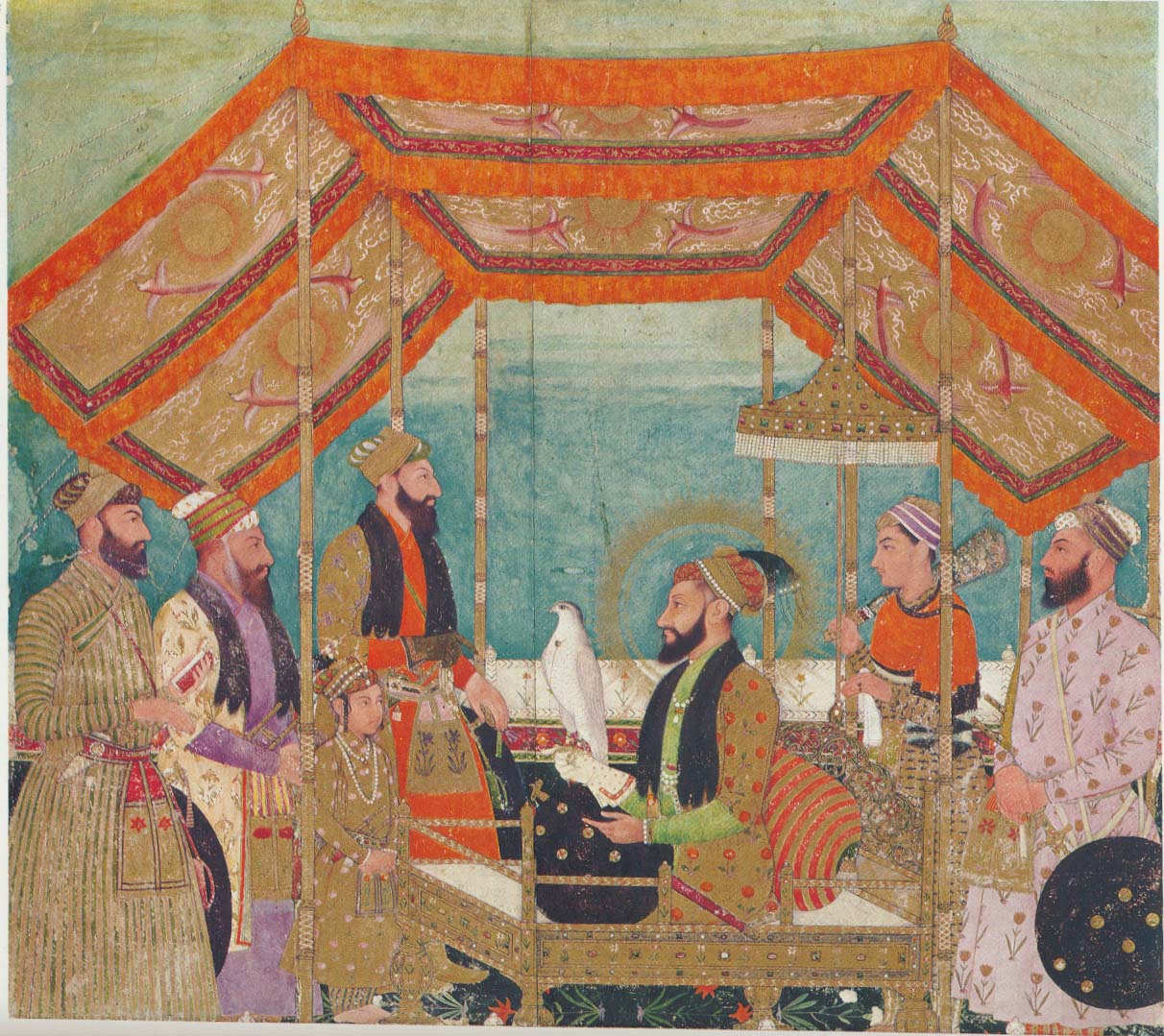
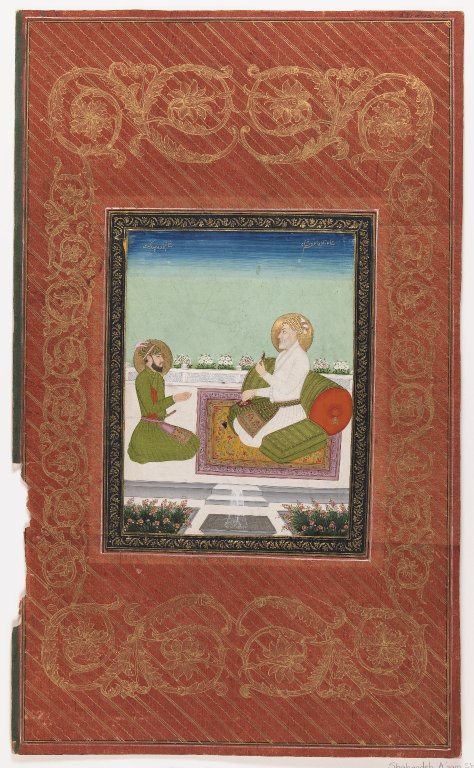
3 Images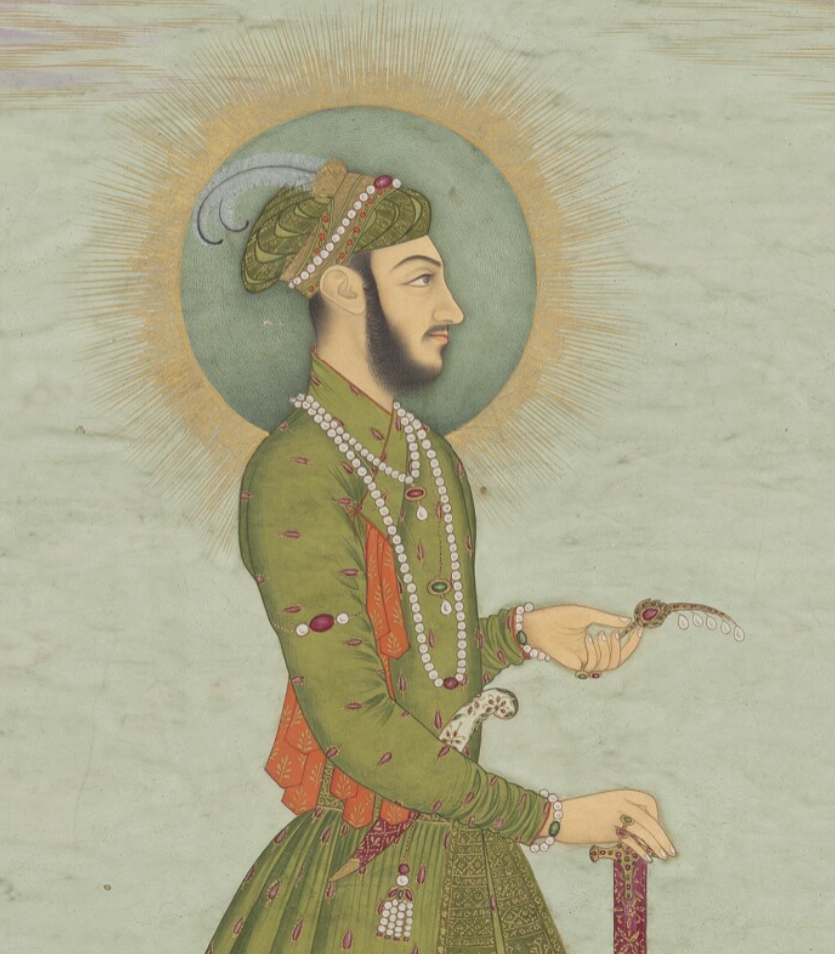
Family and background
Azam Shah belonged to the Timurid lineage of his father and, through his mother, to a family with ties to Persian Safavid nobility. His mother, Dilras Banu Begum, came from a prominent Persian family and Azam’s maternal ancestry is often described as linked to the Safavid circle rather than being of independent royal claim. This mixed Timurid‑Persian heritage was typical of Mughal princes of the period and helped shape court culture and alliances.
Reign and succession crisis
When Aurangzeb died in 1707, the question of succession opened a rapid contest among his sons. Azam Shah moved quickly to assert his claim and took the imperial title, but rival claimants also advanced. In the months that followed, the struggle for control of the empire culminated in a pitched battle. The brevity of Azam’s rule—less than three months—meant he had little time to consolidate authority, build a wide base of support, or implement lasting policies.
Battle of Jajau and death
The decisive encounter in this succession struggle was the Battle of Jajau on 8 June 1707. Azam Shah and his son marched against their brother who claimed the throne as Bahadur Shah I. Contemporary accounts and later histories record that Azam Shah and his heir were killed in the fighting. The victory of Bahadur Shah I ended Azam’s brief claim and left the empire in the hands of a ruler who had secured power by force rather than a peaceful transfer.
Significance and legacy
Although his reign was short, Muhammad Azam Shah’s career illustrates the dynastic volatility that followed the death of a long‑ruling monarch. The succession quarrels after Aurangzeb weakened central authority, setting a pattern of fratricidal contests and regional fragmentation that contributed to the Mughal Empire’s gradual decline in the 18th century. Azam Shah is remembered primarily for his place in this transitional moment rather than for reforms or long‑term achievements as emperor.
Quick facts
Questions and answers
Q: Who was Muhammad Azam Shah?
A: Muhammad Azam Shah was the successor of the last Mughal emperor Aurangzeb after his death in 1707. He was also the elder son of Aurangzeb.
Q: When was Muhammad Azam Shah on the throne?
A: Muhammad Azam Shah was on the throne from 14 March 1707 to 8 June 1707.
Q: Who were Muhammad Azam Shah's parents?
A: Muhammad Azam Shah's parents were Aurangzeb and his first wife and chief consort Dilras Banu Begum.
Q: What was Muhammad Azam Shah's lineage?
A: Muhammad Azam Shah was a timurid from his father's bloodline and a Persian Safavid by his mother's bloodline. He was the grandson of Shah Nawaz Khan Safavi, the Safavid Emperor of Persia and father of Azam Shah's mother.
Q: How did Muhammad Azam Shah die?
A: Muhammad Azam Shah and his son were killed in the Battle of Jajau on 8 June 1707 by his step brother Bahadur Shah I, who ruled the empire by killing both his brothers in war.
Q: Why was there a succession war after Aurangzeb's death?
A: After Aurangzeb's death, a succession war took place between his three sons.
Q: What was the result of the succession war between Aurangzeb's sons?
A: The result of the succession war was that Azam Shah and his son were both killed in battle by his step brother Bahadur Shah I, who ruled the empire by killing both of his brothers in war.
Related articles
Author
AlegsaOnline.com Muhammad Azam Shah Leandro Alegsa
URL: https://en.alegsaonline.com/art/67373