
Movie screen: types, construction, history and uses
An overview of movie screens: what they are, materials and construction, common types (front/rear, matte/grey/high-gain), historical notes, typical uses, setup and care for cinemas and homes.
Overview
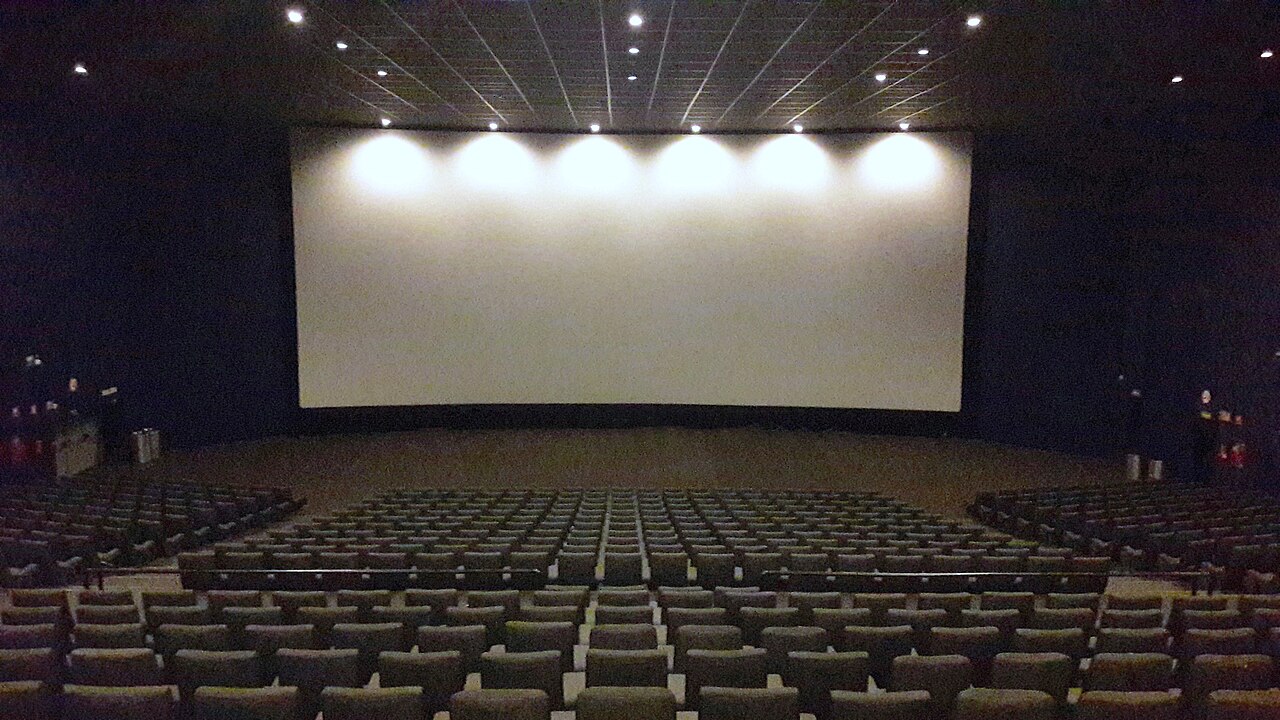
A movie screen is the surface onto which a projected image is displayed, either in public cinemas or private settings. The screen receives light from a projector and presents the moving picture or movie to an audience. While early screenings simply used a painted wall, modern screens are purpose-built to control reflection, contrast, color and viewing angle.
Image gallery
6 Images


Materials and construction
Screens are made from a range of materials chosen for durability and optical properties. Common materials include PVC or vinyl sheets joined into large seamless panels, woven fabrics, tensioned canvases, perforated metal and acoustically transparent textiles that allow speakers to sit behind the screen. Surfaces may be coated or textured to adjust brightness, diffusion and color balance.
Types and formats
Screens are classified by transmission and geometry:
- Front projection: the projector is on the audience side, the most common arrangement.
- Rear projection: the projector is behind a translucent surface; used where space allows or to hide equipment.
- Matte white: neutral reflection and wide viewing angles; common in homes and many cinemas.
- Grey or high-contrast screens: designed to improve perceived contrast in rooms with ambient light.
- High-gain screens: reflect more light back to viewers but have narrower viewing angles.
- Perforated or acoustically transparent: allow center-channel speakers to be placed directly behind the screen without obstructing sound.
Aspect ratios and sizes
Movie screens come in several aspect ratios to match film and broadcast standards (for example 4:3, 16:9, or wider cinematic ratios). Commercial theaters may use fixed, large-format screens, curved surfaces or variable masks to suit different content. Portable and retractable screens provide flexibility for venues without a dedicated wall or surface.
History and terminology
The term "silver screen" recalls early projection surfaces that used metallic coatings to increase reflectivity; over time screen technology evolved toward matte and engineered substrates to improve color fidelity and viewing comfort. Movable and tensioned PVC screens became common in the late 20th and early 21st centuries, enabling large, seamless displays through welding and mechanical tensioning methods.
Uses, setup and maintenance
Screens are central in commercial cinemas, home theaters, classrooms, and event spaces. Choice of screen depends on projector type, room light control, seating layout and audio configuration. Installation considerations include mounting, masking for aspect ratio, choice of gain and whether to allow speaker placement behind the screen. Routine care involves gentle cleaning of the surface, avoiding abrasive chemicals, and checking seams or mounting hardware. In some informal settings a plain wall, a stretched paper or cloth surface can serve as an improvised screen, though purpose-built materials yield better image quality.
Notable facts and distinctions
Key selection factors are gain (brightness enhancement), viewing angle, color neutrality and acoustic transparency. Large-format systems such as IMAX use specialized screen geometry and coatings to support higher brightness and resolution. For portable setups, lightweight tensioned screens balance ease of transport with image stability. Understanding these distinctions helps cinemas, event organizers and home enthusiasts select the right screen for image fidelity and audience experience.
Related articles
Author
AlegsaOnline.com Movie screen: types, construction, history and uses Leandro Alegsa
URL: https://en.alegsaonline.com/art/67202