
Jean-Luc Godard: French–Swiss filmmaker and leading figure of the French New Wave
Jean-Luc Godard (1930–2022) was a French–Swiss director, critic, and innovator of modern cinema, celebrated for films such as Breathless and for pioneering techniques like the jump cut and self-reflexive storytelling.

Overview
Jean-Luc Godard was a filmmaker, critic and polymath of cinema whose work reshaped narrative and form in the 20th century. Born in Paris to a French mother and Swiss father, he began as a film critic before becoming a director whose restless experimentation helped define the French New Wave. He worked as a director, screenwriter, editor and occasional actor over a career that spanned decades and many radical stylistic changes.
Image gallery
4 Images


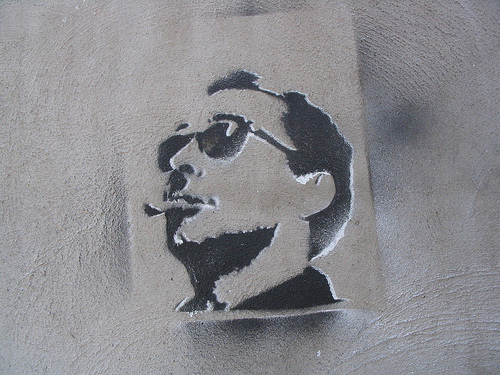
Early career and development
Godard came to filmmaking from criticism, notably through the influential journal Cahiers du Cinéma, where debates about authorship and style led critics to make films themselves. His early feature films were made quickly and on modest budgets, emphasizing location shooting, improvisation and a rejection of studio conventions. He lived and worked across Europe, maintaining ties to both France and Switzerland, and is often described primarily as a movie director whose methods questioned what cinema could be.
Style, techniques and themes
Godard is associated with innovations such as the jump cut, abrupt changes in film grammar, direct-address narration, and montage that foregrounds the camera and editing rather than seamless illusion. His films frequently intersected with philosophy, politics and literature, mixing highbrow references with popular culture. He favored improvisatory performances, long takes punctuated by sudden edits, fragments of text and sound, and an insistence that viewers remain aware they were watching a constructed work.
Major films and examples
Among films commonly cited as central to his career are:
- Breathless (À bout de souffle, 1960) — a breakthrough that helped bring international attention to the New Wave;
- Vivre sa vie (1962) and Contempt (Le Mépris, 1963) — works that mix intimate drama with formal play;
- Pierrot le Fou (1965), Alphaville (1965), and Weekend (1967) — films that range from romantic crime to science-fiction satire and social critique.
These and other titles illustrate his movement from youthful iconoclasm to more overtly political and essayistic cinema in the late 1960s and beyond.
Personal life and death
Godard married actress Anna Karina in the early 1960s; their creative and personal partnership influenced several films from that period and is often discussed in studies of his work. For details on his relationships and collaborators see biographical sources and film archives. Later in life he lived in Switzerland; he died in September 2022 in Rolle, with reports stating he chose assisted suicide.
Legacy and further reading
Godard remains a central reference for filmmakers, critics and scholars interested in narrative disruption, political cinema and the possibilities of film form. He appears in discussions ranging from auteur theory to experimental montage, and his films continue to be taught, screened and debated. For introductory and archival material consult film surveys and specialized sites on Paris-era cinema, dedicated filmographies and the work of actors and collaborators such as Anna Karina. Many online and print sources offer chronologies, analyses and annotated film lists for readers wishing to explore his oeuvre in more depth.
Related articles
Author
AlegsaOnline.com Jean-Luc Godard: French–Swiss filmmaker and leading figure of the French New Wave Leandro Alegsa
URL: https://en.alegsaonline.com/art/121642