
Ross Island (Antarctica)
Ross Island is a volcanic island in the Ross Sea near Antarctica, noted for Mount Erebus, scientific bases (McMurdo, Scott Base), historic expedition huts and wildlife colonies.
Overview
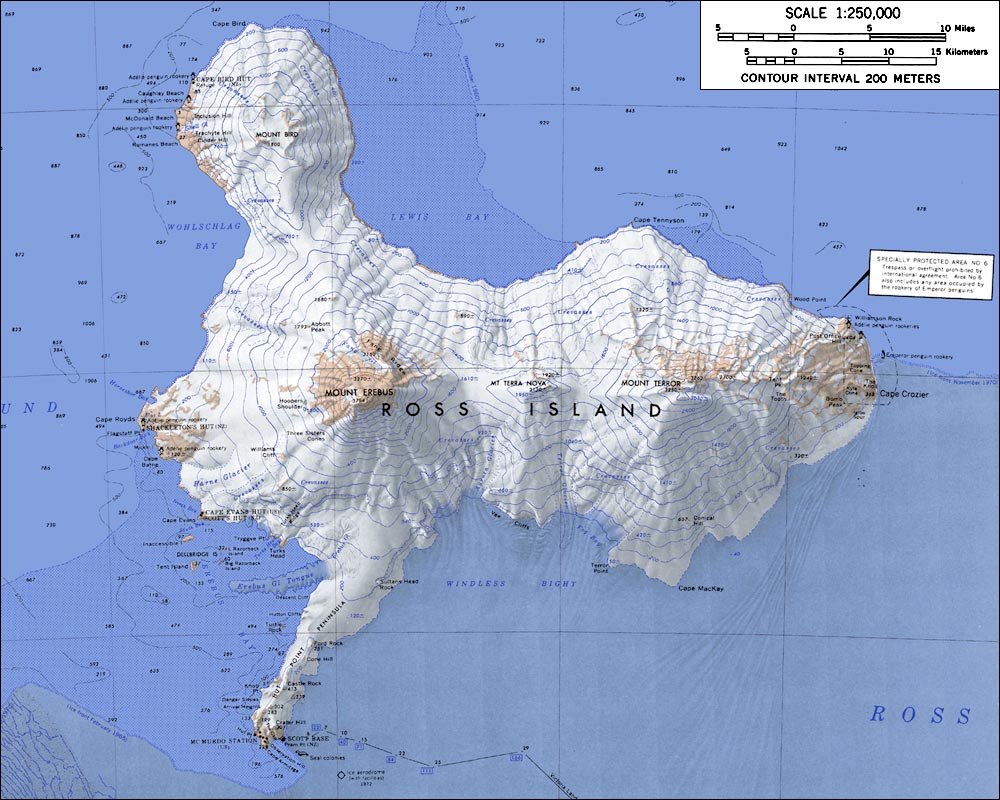
Ross Island lies in the southern sector of the Ross Sea, off the coast of Antarctica. It is primarily volcanic in origin, having been built by a cluster of four volcanoes. The island is one of the most prominent features of the region and combines active geology, human infrastructure and polar ecosystems in a compact area.
Image gallery
10 Images


Geology and volcanism
The island was formed by repeated eruptions from several volcanic centers, including the best-known Mount Erebus. Mount Erebus is notable for persistent fumarolic activity and a long-lived lava lake, making it one of the southernmost active volcanoes on Earth. Other volcanic peaks on the island are older and largely dormant. The volcanic terrain shapes local topography and influences ice cover and microclimates.
History and exploration
Ross Island was charted during Antarctic expeditions of the 19th century and takes its name from the explorer James Clark Ross. Several features on the island were named after his ships, and it later became a base of operations for early 20th-century explorers. Historic huts and cairns remain at sites such as Cape Evans and Hut Point, preserved as reminders of polar exploration.
Human presence and research
The island hosts major research and logistics facilities, including the United States' McMurdo Station and New Zealand's Scott Base, which support Antarctic science, search and rescue and transport. These bases provide air and sea access points for inland research and act as hubs for international scientific programs.
Wildlife and environment
Despite the harsh climate, Ross Island supports colonies of seabirds and penguins, as well as seals along coastal leads. Its shores and volcanic slopes offer nesting and haul-out sites where biological communities endure extreme seasonal variation. The area falls under the Antarctic Treaty System and various conservation measures aimed at protecting native species and historic sites.
Notable facts
- Ross Island's volcanic origins are central to its landscape and scientific interest; see further on the role of volcanoes in Antarctic geology.
- The island combines active volcano monitoring, long-term environmental studies and preserved expedition-era buildings, making it unique among Antarctic localities.
- Its location in the Ross Sea region gives it strategic importance for logistics and marine research related to Antarctica.
Image Gallery
· 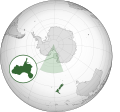
Orthographic projection
· 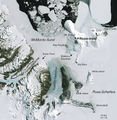
McMurdo Sound and Ross Island
· 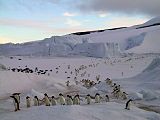
Adelie penguins at Cape Crozier
· 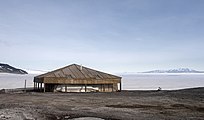
Scott's Hut at Hut Point
· 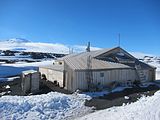
Scott's hut at Cape Evans
· 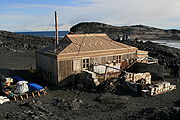
Shackleton's hut at Cape Royds
· 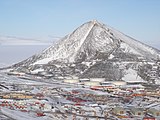
McMurdo US Station
· 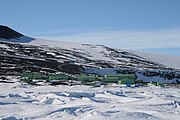
The New Zealand Scott Base
· 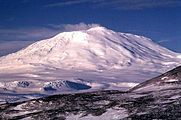
Mount Erebus, the highest volcano of Ross Island
Related articles
Author
AlegsaOnline.com Ross Island (Antarctica) Leandro Alegsa
URL: https://en.alegsaonline.com/art/84221