
Mount Asgard — Twin granite peaks of Baffin Island
Mount Asgard is a distinctive granite mountain on Baffin Island (Nunavut, Canada), known for its twin flat-topped summits joined by a rocky ridge, Arctic climbing routes, and a Norse-derived name.
Overview
Mount Asgard is a striking mountain on Baffin Island in the territory of Nunavut, Canada. Located on the Cumberland Peninsula, it is part of the larger Baffin Mountains within the Arctic Cordillera. The formation is widely admired for its remote Arctic setting, dramatic profile and the nearly symmetrical appearance of its twin summits.
Image gallery
4 Images


Physical characteristics
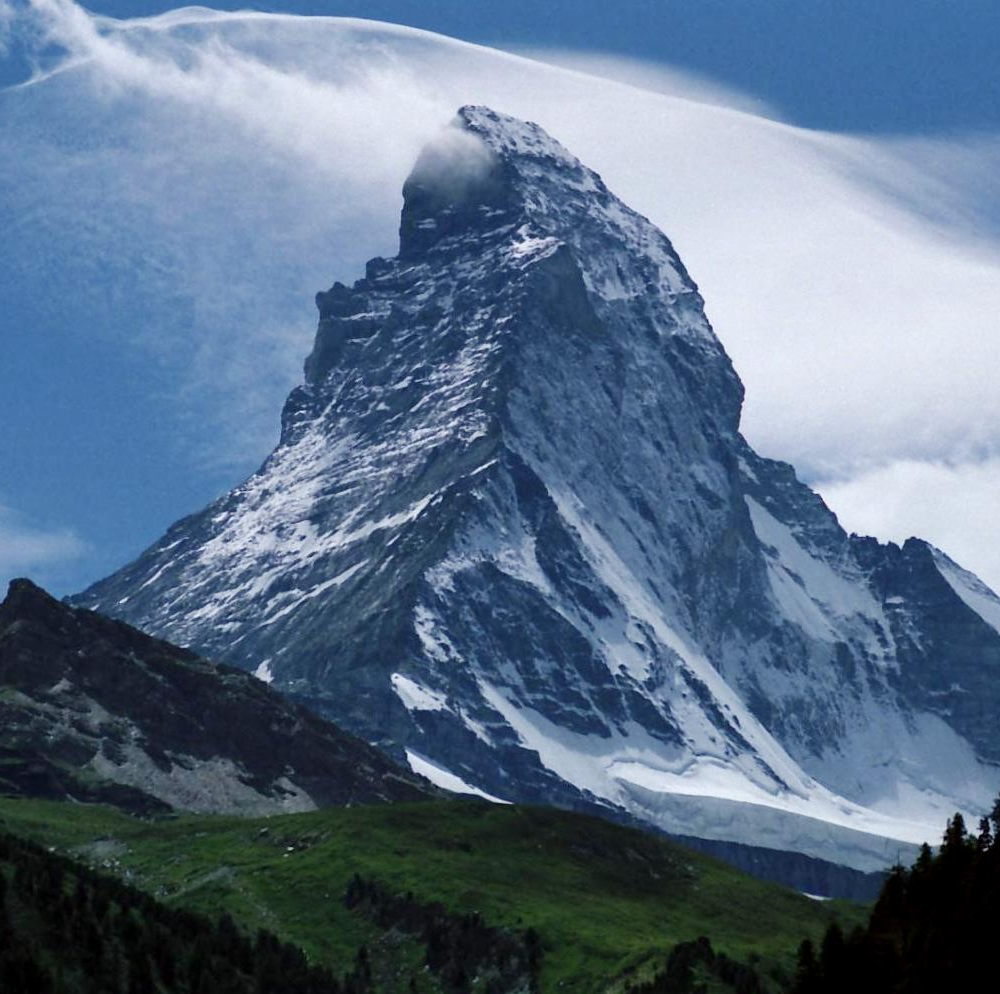
The mountain is composed predominantly of coarse, resistant granite. Its most recognizable feature is a pair of adjacent summits: the two peaks rise from a common base and present unusually flat, circular tops that are connected by a narrow, high rock arête. Steep faces and sheer granite walls give Mount Asgard a geometric, monolithic appearance. Glacial carving and freeze–thaw weathering have helped sculpt the cliffs, buttresses and talus slopes that characterize the massif.
Geology and landscape
As part of the ancient crystalline core of Baffin Island, the granite of Mount Asgard belongs to long-lived Precambrian rocks that were exposed and refined by repeated ice ages. The surrounding landscape includes deep fjords, outlet glaciers and expanses of polar desert; permafrost and seasonal snow cover strongly influence surface processes. Vegetation is limited to hardy tundra communities in sheltered sites, while the larger region provides habitat for Arctic mammals and migratory birds.
Name, history and cultural context
The mountain is named after Asgard, the mythic enclosure of deities in Norse mythology, and the label reflects a pattern of European explorers and cartographers drawing on classical and mythological names for dramatic polar features. The word Asgard is traditionally associated with the home of the gods in those stories. Indigenous Inuit communities on Baffin Island have their own place names and cultural associations with the land; contemporary accounts emphasize both natural and cultural significance of the region.
Recreation and access
Mount Asgard attracts experienced mountaineers and photographers rather than casual tourists because of its remoteness and the technical nature of many climbing lines. Routes range from long rock climbs on clean granite walls to mixed and alpine-style approaches that require glacier travel, cold-weather gear and self-sufficiency. Access is typically from coastal communities or through Auyuittuq National Park country, often requiring boats, small aircraft or extended overland travel. Weather and logistics in the high Arctic demand careful planning and respect for local guidelines.
Conservation and safety
The area around Mount Asgard lies within a sensitive Arctic environment where permafrost, fragile vegetation and wildlife can be affected by visitors. Conservation measures, park regulations and guidance from local authorities aim to reduce human impacts and ensure safety. Climbers and visitors are advised to follow Leave No Trace principles, prepare for rapid weather changes, and coordinate with local services when planning travel into this remote landscape.
Significance
- Mount Asgard's twin-summit silhouette makes it an iconic landmark of Baffin Island and a subject in natural history and adventure accounts.
- The mountain is an example of classic granite geomorphology shaped by high-latitude glaciation within the Baffin Mountains.
- Its Norse-derived name illustrates how exploration history and indigenous place-naming coexist in Arctic maps and narratives.
- Visitors should consult local park authorities and community resources for up-to-date information before attempting travel or climbs.
Related articles
Author
AlegsaOnline.com Mount Asgard — Twin granite peaks of Baffin Island Leandro Alegsa
URL: https://en.alegsaonline.com/art/66997
Sources
- bivouac.com : "Mount Asgard"
- peakware.com : "Mount Asgard"
- sfar-evev06.ch : sfar-evev06.ch/en/expeditions/baffin_island.html