
Springfield, Massachusetts: City on the Connecticut River
Overview of Springfield, MA: location, history, institutions, cultural landmarks like the Basketball Hall of Fame and Springfield Armory, and its role in the Pioneer Valley.

Springfield is a city located in western Massachusetts, in the northeastern United States. It sits along the Connecticut River and has long functioned as a regional hub for transportation, manufacturing, education and culture. The city contained about 153,000 residents at the 2010 census, and the wider metropolitan area serves roughly 700,000 people, making Springfield one of the largest population and economic centers in the Pioneer Valley.
Image gallery
10 Images


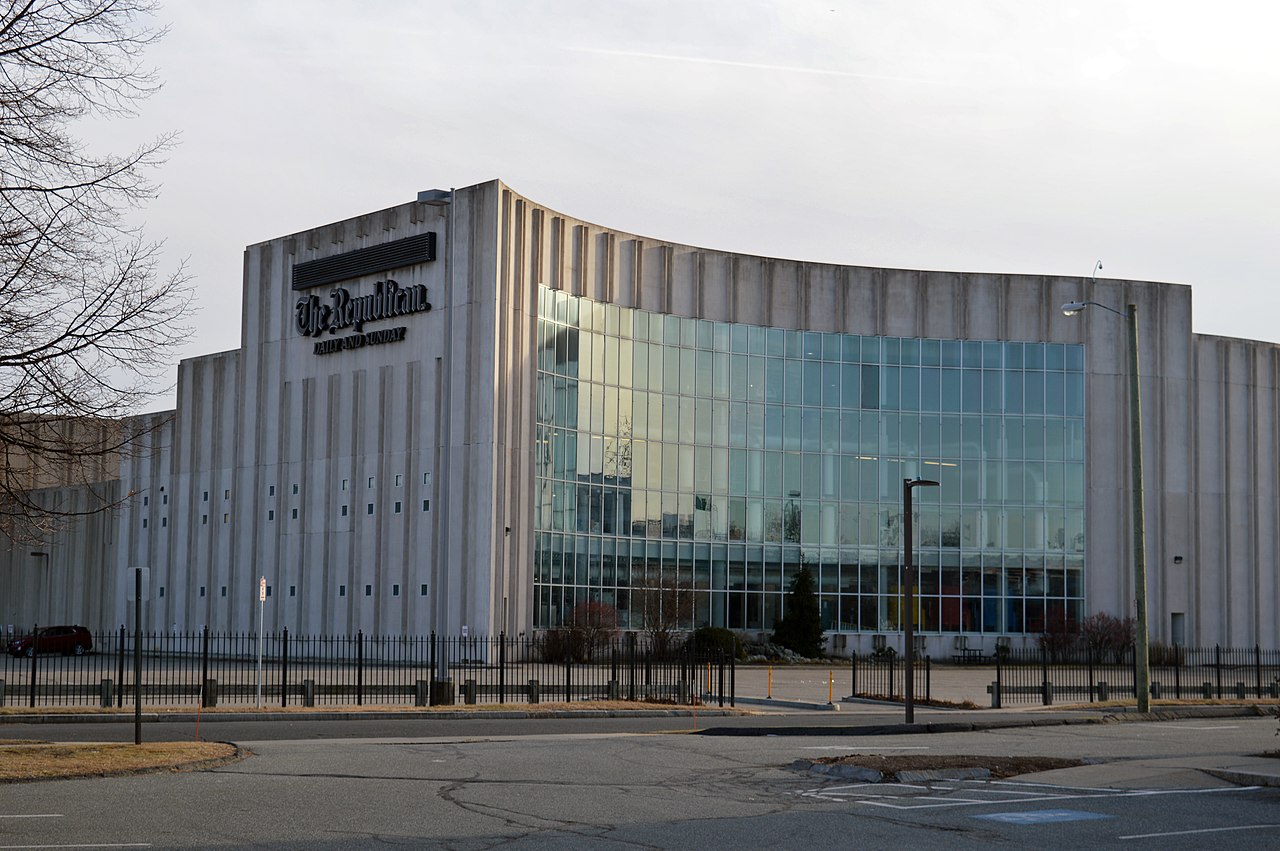

Geography and character
Springfield occupies a strategic riverside site where several tributaries join the Connecticut River, giving it natural advantages for industry and trade since colonial times. The urban core blends historic neighborhoods, Victorian-era districts, commercial corridors, and parkland along the river. The climate is humid continental, with warm summers and cold winters typical of inland New England.
History and development
Founded in the 17th century, Springfield developed in the 18th and 19th centuries into a center of precision manufacturing and arms production. The Springfield Armory, established in the Revolutionary War era, became a major national arsenal and later a historic site. Industrial growth attracted workers and fueled expansion of housing, transit links, and civic institutions into the 20th century.
Culture, landmarks and education
Springfield is noted for several cultural attractions and educational institutions. Visitors and residents find museums, memorials, and sports landmarks that reflect the city's contributions to American culture and technology. Important sites include:
- The Naismith legacy and the Basketball Hall of Fame, honoring the sport invented in Springfield in the late 19th century.
- The Springfield Armory National Historic Site, which interprets the city’s role in U.S. military manufacturing.
- Cultural institutions related to Theodor Seuss Geisel (Dr. Seuss) and a cluster of local museums and theaters.
Higher education has a visible presence through several colleges and technical schools that support research, healthcare training and professional programs, contributing to the city’s workforce and cultural life.
Economy and contemporary role
Historically driven by manufacturing, Springfield’s modern economy is more diversified: healthcare, education, retail, and professional services play major roles. Revitalization projects in downtown areas, adaptive reuse of historic mills and armory buildings, and investments in waterfront parks are part of ongoing urban renewal efforts.
Notable distinctions
Springfield is often highlighted for its place in American recreational and industrial history: widely recognized as the birthplace of basketball, home to the National Historic Site of the Springfield Armory, and a center for regional commerce on the Connecticut River. Its combination of museums, colleges, and historical sites gives it outsized cultural importance relative to its population size.
For more local information and services, consult municipal and regional resources as well as cultural institution pages that detail visiting hours, exhibits and events.
Questions and answers
Q: Where is Springfield located?
A: Springfield is located in Massachusetts, United States.
Q: How many people lived in Springfield in 2010?
A: In the year 2010, 153,084 people lived in the city of Springfield.
Q: How many people live in Metropolitan Springfield?
A: Approximately 700,000 people live in Metropolitan Springfield.
Q: What makes Springfield a natural crossroads?
A: Three rivers flow into the Connecticut River at Springfield, making it a natural crossroads.
Q: What river does Springfield sit on?
A: Springfield sits on the Connecticut River.
Q: Is there anything unique about this river that makes it special to the city of Springfield?
A: The Connecticut River serves as an important transportation route for goods and services to and from the city of Springfield.
Related articles
Author
AlegsaOnline.com Springfield, Massachusetts: City on the Connecticut River Leandro Alegsa
URL: https://en.alegsaonline.com/art/92871